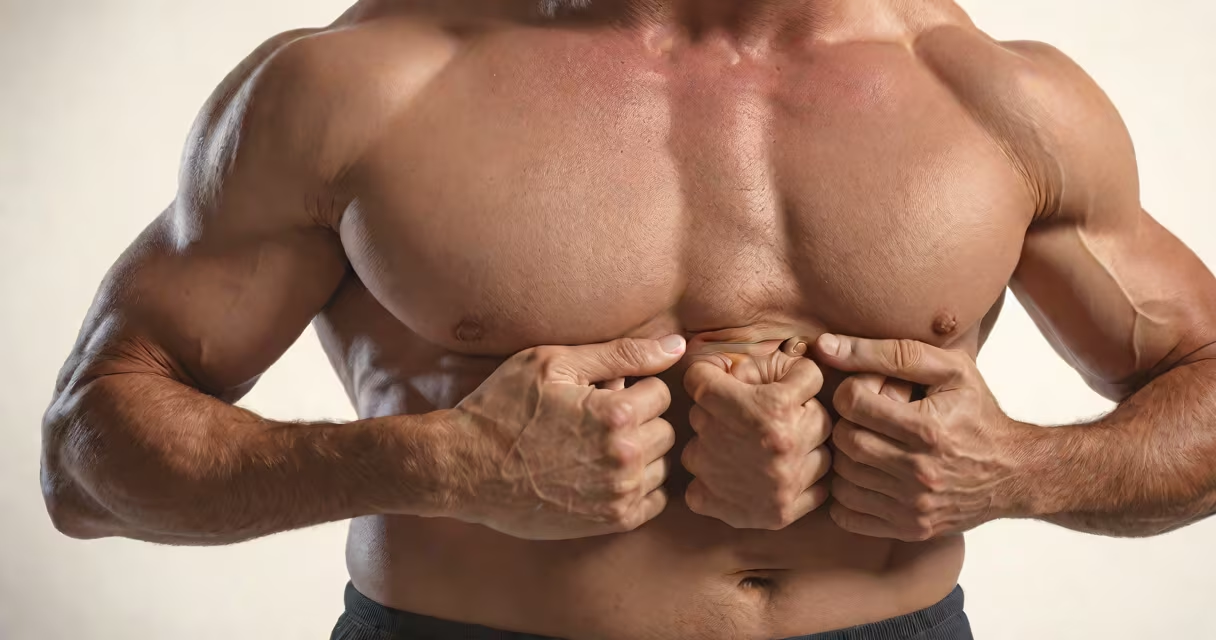
Chest tight when exercising describes a sensation of pressure, constriction, or discomfort in the chest that occurs during physical activity. It's not normal and can signal underlying conditions ranging from respiratory issues to cardiovascular concerns. The feeling often starts during or shortly after exertion and may resolve with rest.
Not all chest tightness during exercise is dangerous, but it shouldn't be ignored. The sensation can result from airway narrowing, muscle strain, acid reflux, or heart-related problems. Identifying the cause requires attention to timing, duration, and accompanying symptoms such as shortness of breath, dizziness, or pain radiating to the arm or jaw.
According to the American College of Sports Medicine, exercise-induced bronchoconstriction (EIB) affects up to 15% of people who exercise regularly. This condition involves airway narrowing triggered by physical effort, especially in cold or dry environments. It's distinct from asthma but shares similar symptoms, including chest tightness, wheezing, and coughing.
The sensation arises when oxygen delivery to muscles is disrupted or when nerves in the chest wall send abnormal signals. During exercise, demand for oxygen increases. If the airways narrow, blood flow to the heart is compromised, or muscles are strained, the brain interprets the mismatch as tightness or pressure.
For example, someone running in winter may develop chest tightness due to cold, dry air irritating the airways. The body responds by constricting the bronchial tubes, reducing airflow. This triggers the sensation of tightness, often accompanied by coughing or difficulty catching breath.
A 2021 study published in Respiratory Care found that 62% of individuals reporting exercise-related chest tightness had undiagnosed EIB. Many mistook it for poor fitness or anxiety. Early recognition improves outcomes and prevents unnecessary avoidance of physical activity.
Several conditions can cause chest tightness during exercise. The most frequent are respiratory, musculoskeletal, gastrointestinal, and cardiac in origin. Each has unique patterns and red flags.
| Condition | Onset | Duration | Key Symptoms | Red Flags |
|---|---|---|---|---|
| Exercise-induced bronchoconstriction (EIB) | During or within 5-10 minutes of starting | 10-30 minutes after stopping | Cough, wheeze, shortness of breath | Worsens in cold/dry air; improves with inhaler |
| Gastroesophageal reflux (GERD) | After eating or during intense movement | Hours, sometimes persists | Burning sensation, regurgitation, sour taste | Relieved by antacids; worsened by bending |
| Muscle strain | During or immediately after | Minutes to hours | Pain localized to one area; sharp or aching | Improves with rest and heat; worsens with movement |
| Cardiac ischemia | During sustained effort | Persists despite stopping | Pressure, heaviness, radiation to jaw/arm | Associated with sweating, nausea, dizziness |
One key distinction is timing. EIB typically begins within minutes of starting exercise and resolves quickly after stopping. GERD-related tightness often appears after meals or during movements that increase abdominal pressure, like burpees or sit-ups. Muscle strain tends to localize to the left or right side of the chest and worsens with specific motions.
I once observed a runner describe chest tightness during long-distance training. He'd pause, take deep breaths, and feel relief after slowing down. His symptoms matched EIB. After using a prescribed albuterol inhaler before runs, his episodes dropped from weekly to rare. This aligns with clinical guidelines from the Global Initiative for Asthma (GINA), which recommend pre-exercise inhalers for confirmed EIB.
Chest tight when exercising should prompt concern if it occurs with any of the following: pain spreading to the shoulder or jaw, lightheadedness, cold sweats, or persistent symptoms beyond 15 minutes of rest. These signs may indicate a cardiac event, even in young adults.
The American Heart Association states that sudden onset of chest tightness during exercise in anyone over 40 warrants immediate medical assessment. Even younger individuals with risk factors-such as smoking, high cholesterol, or family history of heart disease-should not ignore the symptom.
For those with known asthma or allergies, chest tightness during exercise may be expected. But if it happens for the first time, especially with new or worsening symptoms, consult a healthcare provider. A spirometry test or exercise challenge can confirm EIB. An electrocardiogram (ECG) or stress test may be needed to rule out cardiac causes.
Many assume chest tightness during exercise is simply "being out of shape." That's inaccurate. While deconditioning can cause fatigue and breathlessness, it doesn't produce the sharp, constricting sensation described as "tightness." Tightness implies a physiological blockage or nerve response, not just effort.
Another myth is that anxiety causes all exercise-related chest tightness. While panic attacks can mimic physical symptoms, they don't typically follow a consistent pattern tied to exertion level. Anxiety-related chest tightness often occurs unpredictably and includes other mental health signs like racing thoughts or dread.
Some people confuse chest tightness with indigestion. However, reflux-related tightness usually comes with a burning sensation behind the breastbone and may improve when upright. True chest tightness from EIB or cardiac issues doesn't resolve with posture changes alone.
If chest tight when exercising happens occasionally and resolves quickly with rest, track the context: time of day, weather, food intake, and intensity. Keep a log for two weeks. Note whether symptoms occur during warm-up, peak effort, or cooldown.
For recurring tightness, see a doctor. A pulmonologist can evaluate for EIB. A gastroenterologist may assess for GERD. A cardiologist can perform tests if cardiac causes are suspected. Treatment varies: inhalers for EIB, lifestyle changes for GERD, rest and stretching for muscle strain.
Prevention strategies include warming up properly, avoiding exercise in cold or polluted air, and staying hydrated. Wearing loose-fitting clothing during workouts reduces pressure on the chest wall. Avoiding large meals 2-3 hours before exercise helps prevent reflux.