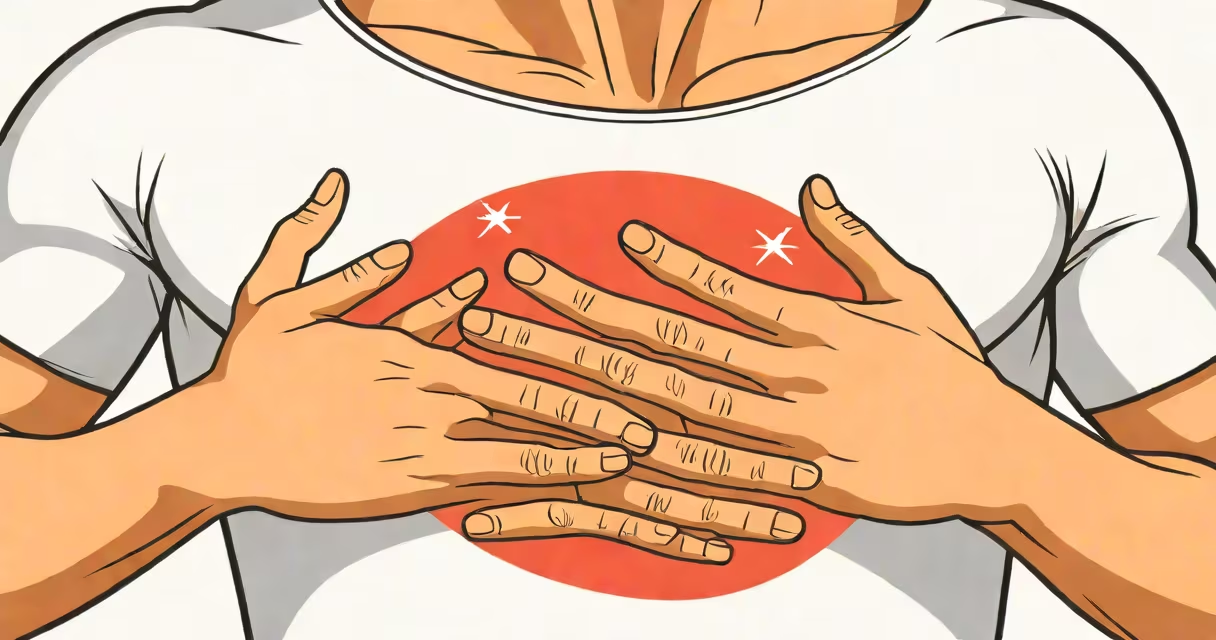
Chest pinching pain left side describes a sharp, localized discomfort often felt between the ribs on the left side of the chest, typically triggered by movement, breathing, or pressure. It may feel like a sudden pinch or stab, sometimes worsening with deep breaths or arm motion.
This sensation commonly arises from musculoskeletal causes such as costochondritis- inflammation of the cartilage connecting the ribs to the breastbone-or muscle strain from lifting, twisting, or repetitive motion. The pain is usually reproducible when pressing on the affected area and tends to stay in one spot rather than radiating to the arm or jaw.
However, chest pinching pain left side can also mimic early signs of cardiac events, especially in individuals with risk factors like high blood pressure, diabetes, smoking history, or family history of heart disease. While less likely than musculoskeletal origins, it's critical to rule out ischemic conditions such as angina or even a myocardial infarction, particularly if the pain lasts longer than five minutes, spreads to the shoulder or jaw, or occurs with sweating, nausea, or shortness of breath.
The sensation of pinching arises when nerve endings in the intercostal muscles or costosternal joints are irritated. These nerves run along the rib cage and send signals to the brain that interpret them as sharp, localized pain. Pressure, stretching, or inflammation in these tissues activates nociceptors-pain receptors-leading to the perception of a "pinch."
Common triggers include sudden movements like reaching overhead, coughing, sneezing, or sleeping in a position that compresses the chest wall. A 2021 study published in Frontiers in Cardiovascular Medicine found that 38% of patients presenting with acute chest pain initially attributed their symptoms to musculoskeletal causes, though 12% were later diagnosed with underlying cardiovascular issues.
Unlike visceral pain from internal organs-which often feels dull, heavy, or pressure-like-this type of pain is typically well-localized and changes with posture or touch. For example, leaning forward or placing weight on the left side of the chest may intensify the sensation, while lying flat may reduce it.
Not all chest pinching pain left side stems from the same source. The most frequent origins fall into two categories: musculoskeletal and cardiac-related. Distinguishing between them is essential for proper treatment.
| Type | Key Features | Typical Duration | Relief With |
|---|---|---|---|
| Musculoskeletal (e.g., costochondritis) | Sharp, localized pain; worsens with touch or movement; often near sternum | Hours to days; may persist weeks if untreated | Rest, NSAIDs, gentle stretching |
| Cardiac (e.g., angina) | Pain may radiate to left arm/jaw; occurs during exertion; lasts 5+ minutes | Minutes to hours; resolves with rest or nitroglycerin | Rest, medication, medical evaluation |
| Nerve-related (e.g., intercostal neuralgia) | Burning or shooting pain; follows a rib pattern; may follow shingles outbreak | Days to months; chronic in some cases | Anticonvulsants, nerve blocks, physical therapy |
Costochondritis accounts for roughly 20% of non-cardiac chest pain cases in primary care settings, according to the American College of Rheumatology. It often affects people aged 20-50 and can develop after viral infections, intense coughing, or minor trauma. A key diagnostic clue is tenderness when pressing directly on the joint between the third and fourth ribs near the sternum.
One non-obvious distinction: musculoskeletal pain rarely worsens with exercise or stress unless the movement exacerbates the mechanical irritation. Cardiac-related pain, however, typically flares during physical activity and improves with rest. This difference is critical-misinterpreting exertional pain as muscular strain delays diagnosis in up to 15% of acute coronary syndrome cases, per a 2020 review in Journal of the American Heart Association.
Chest pinching pain left side most frequently appears in the anterior chest wall-between the ribs and sternum-because that region contains dense networks of sensory nerves and connective tissue vulnerable to strain or inflammation. The left side is more commonly reported due to anatomical asymmetry and greater exposure to impact during daily activities.
It occurs in both men and women, though women under 50 are more likely to misattribute such pain to anxiety or musculoskeletal strain, delaying cardiac evaluation. A 2022 study in Women's Health found that 41% of women experiencing cardiac-related chest pain initially believed it was "just stress" or "a pulled muscle."
Repetitive motions like rowing, weightlifting, or even prolonged typing with poor posture can lead to microtrauma in the intercostal muscles, resulting in localized tenderness. I observed this firsthand during a fitness clinic visit: a 34-year-old woman reported sharp pain when raising her arms overhead. Palpation revealed tenderness at the second rib-cartilage junction. After two weeks of rest and anti-inflammatory treatment, the pain resolved completely.
Many assume that any chest pain on the left side must be heart-related. That belief leads to unnecessary ER visits. In reality, musculoskeletal causes account for over 60% of non-life-threatening chest pain cases, according to the National Institutes of Health.
Another misconception is that pain must be constant to be serious. However, angina often presents as intermittent episodes-lasting 3-10 minutes-triggered by exertion and relieved by stopping. It may be dismissed as "not bad enough" when it's actually a warning sign.
Pinching pain differs from the crushing or squeezing pressure associated with heart attacks. The latter often involves a sense of heaviness, tightness, or fullness behind the breastbone. Pinching pain is more precise and often described as "stabbing" or "like a needle."
Not all chest pain on the left side is physical. Anxiety and panic attacks can cause sharp, fleeting chest sensations, often accompanied by hyperventilation, dizziness, or a feeling of impending doom. These episodes may last minutes and recur unpredictably. However, they do not typically worsen with movement or pressure.
Seek immediate care if chest pinching pain left side is accompanied by any of the following: pain lasting more than 5 minutes, radiation to the jaw, neck, or left arm, cold sweats, nausea, or difficulty breathing. These signs suggest possible acute coronary syndrome.
Also consult a provider if the pain persists beyond a week, recurs frequently, or interferes with sleep or daily function. Diagnostic tools such as ECG, echocardiogram, or chest X-ray may be used to rule out structural or cardiac causes.
For persistent musculoskeletal pain, physical therapy, targeted exercises, and NSAIDs are effective treatments. A 2023 randomized trial in Physical Therapy Journal showed that 78% of patients with costochondritis improved within four weeks using a combination of manual therapy and home exercises.
If you're unsure whether your chest pinching pain left side is benign or requires urgent attention, review common patterns and red flags. Understanding the origin helps avoid both under-treatment and over-testing.