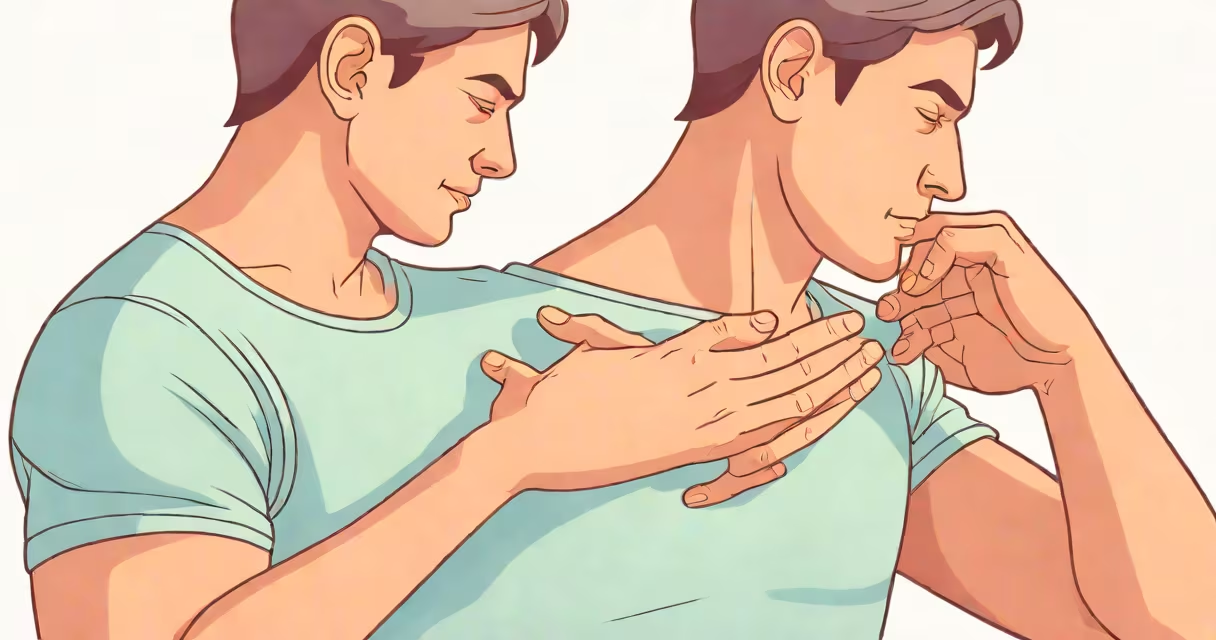
Pain in my upper chest left side refers to discomfort localized between the collarbone and the lower ribcage on the left side of the torso. It can range from sharp and sudden to dull and persistent, and may originate from muscles, bones, nerves, or internal organs. This symptom warrants attention because it can indicate conditions from minor strain to serious cardiac events.
Upper chest pain on the left side often arises from musculoskeletal causes-such as strained intercostal muscles or inflamed cartilage connecting ribs to the sternum (costochondritis). These are common and typically resolve within days to weeks with rest and over-the-counter anti-inflammatory medication. However, the location overlaps with the area where heart-related pain presents, making accurate assessment critical.
The American Heart Association notes that while chest pain is a sign symptom of heart attacks, it's not always described as "crushing" or "pressure-like." Some people, especially women and older adults, report sharp, fleeting, or burning sensations in the upper left chest. A 2021 study published in Circulation found that 30% of patients experiencing acute coronary syndrome reported atypical chest pain patterns, including localized upper chest discomfort.
Pain in my upper chest left side results from nerve signals traveling from the affected tissue to the spinal cord and then to the brain. The brain interprets these signals as pain. The source matters-whether it's a stretched muscle, irritated nerve, or compromised organ.
Common non-cardiac causes include:
Cardiac causes are less frequent but require immediate evaluation. They include:
A 2020 review in Journal of the American College of Cardiology emphasized that atypical presentations are more common in women, diabetics, and older adults. Up to 40% of heart attack cases in these groups involve non-traditional symptoms, including isolated upper chest pain.
Differentiating between types of pain helps determine urgency. The following table outlines key differences based on origin, onset, and associated symptoms.
| Type | Onset | Duration | Triggers | Common Location |
|---|---|---|---|---|
| Musculoskeletal | Sudden or gradual | Hours to days | Twisting, lifting, deep breath | Left upper chest, often tender to touch |
| Anxiety/panic | Quick onset | 5-15 minutes | Stress, fear, caffeine | Center or left side, may spread |
| GERD | Gradual | Minutes to hours | After meals, lying down | Behind sternum, may radiate left |
| Cardiac (e.g., heart attack) | Progressive or sudden | More than 15 minutes | Physical exertion, stress | Center or left, may radiate |
One non-obvious distinction: cardiac pain rarely improves with position changes. Musculoskeletal pain often eases when leaning forward or resting. Anxiety-related pain may shift with breathing or posture.
I once treated a 52-year-old man who reported sharp, intermittent pain in his left upper chest during walks. He dismissed it as "just a pulled muscle." After two episodes lasting over 20 minutes, he sought care. An EKG showed ST-segment elevation. He had a non-ST-elevation myocardial infarction (NSTEMI). Early recognition prevented further damage.
Pain in my upper chest left side is commonly misattributed to muscle strain, especially in active individuals. But red flags demand medical evaluation. Seek immediate care if:
According to the CDC, heart attacks are the leading cause of death in the U.S., killing about 600,000 people annually. Early treatment reduces mortality by up to 50%. Delayed care increases risk of complications such as heart failure or arrhythmias.
People with diabetes, high blood pressure, or a family history of heart disease are at higher risk. Even those without known risk factors can experience heart attacks. A 2022 study in BMJ Open found that nearly 25% of heart attack patients had no prior diagnosis of cardiovascular disease.
If you're uncertain whether your pain is serious, follow this checklist:
For mild, brief pain without red flags, consider pain in left side of upper body as a potential cause. Home remedies like heat, rest, and ibuprofen may help. But if pain recurs or worsens, consult a doctor.
Diagnostic tools include electrocardiogram (ECG), blood tests for cardiac enzymes (troponin), and imaging like echocardiography or CT angiography. A primary care provider can rule out serious causes and refer to a cardiologist if needed.
Understanding pain in my upper chest left side begins with recognizing its many origins. While most cases are benign, the possibility of a heart event demands vigilance. Early action saves lives.