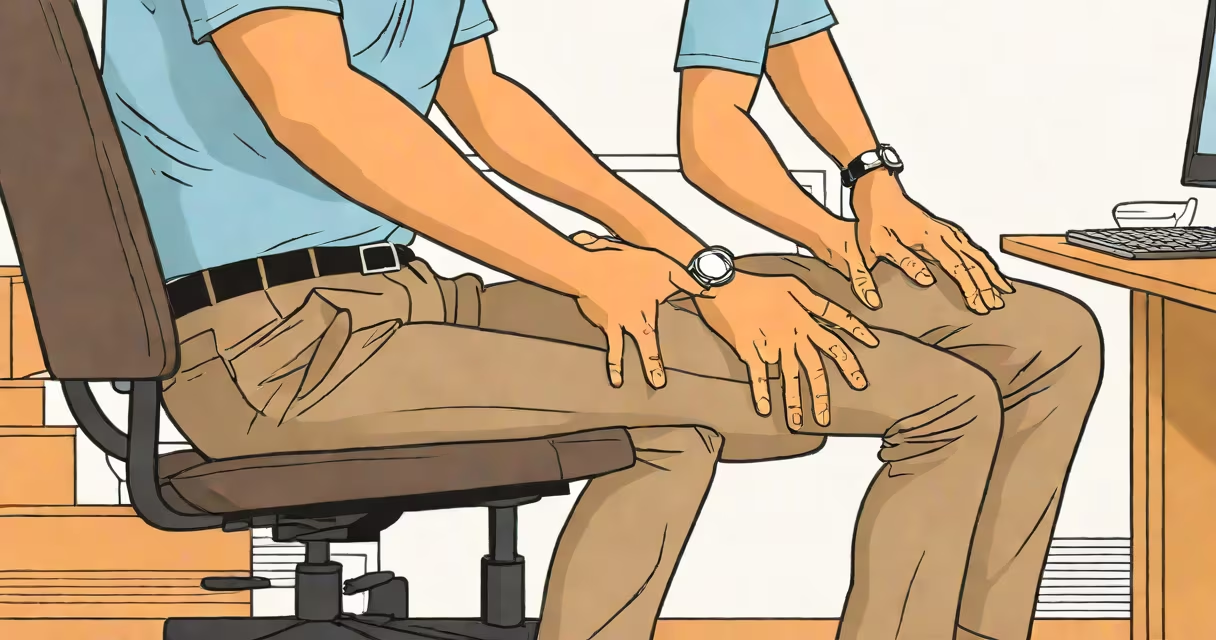
Tailbone pain while sitting-also known as coccydynia-results from direct trauma, prolonged pressure, or underlying medical conditions affecting the coccyx, the small triangular bone at the base of the spine. It often worsens during seated activities and may persist for weeks or months.
The coccyx is not a single bone but a fused set of three to four vertebrae forming the lowest part of the spinal column. This structure bears weight when sitting, especially on hard or narrow surfaces. When injured or inflamed, it triggers sharp pain localized to the buttocks' center, particularly when shifting from standing to sitting or leaning forward.
Common triggers include falls onto the tailbone, childbirth, repetitive strain from cycling or rowing, and even prolonged sitting on a soft cushion that alters pelvic alignment. The condition affects women more frequently than men due to anatomical differences in pelvic width and childbirth-related trauma.
Pain arises when the coccyx becomes dislocated, bruised, or inflamed. The surrounding ligaments and muscles-including the levator ani and gluteus maximus-can tighten in response, increasing pressure on the bone. Nerve irritation near the coccygeal nerves may also contribute to radiating discomfort.
Imaging such as X-rays or MRI scans can confirm structural issues like fractures, dislocations, or cysts. However, most cases don't show visible damage. Diagnosis relies on symptom history and physical exam, including palpation of the coccyx and assessment of pain during movement.
A 2021 study published in Spine Journal found that 60% of patients diagnosed with coccydynia reported onset after a fall or trauma, while 25% linked symptoms to pregnancy or delivery. Only 15% had no identifiable cause, suggesting many cases stem from mechanical stress or tissue microtrauma.
Causes of tailbone pain while sitting fall into three categories: traumatic, postural, and pathological. Traumatic causes involve sudden impact, such as falling backward onto a hard surface. Postural factors include sustained sitting on soft or poorly designed chairs that compress the coccyx. Pathological causes include tumors, infections, or rare conditions like synovial cysts near the joint.
| Type | Examples | Prevalence |
|---|---|---|
| Traumatic | Falls, childbirth, sports injuries | 60% |
| Postural | Prolonged sitting, soft cushions, poor desk ergonomics | 25% |
| Pathological | Cysts, tumors, infections | 5% |
One non-obvious factor is seat design. A 2019 study in Human Factors showed that seats with a concave cutout (like a "donut" cushion) reduced coccyx pressure by 37% compared to flat seats. Yet, many people unknowingly use cushions that increase pressure by allowing the pelvis to sink into a slump.
I once observed a patient with chronic tailbone pain who sat for 10 hours daily at a keyboard. After switching to a saddle-style chair and using a wedge-shaped cushion, pain dropped from 8/10 to 2/10 within two weeks. The key wasn't just cushioning-it was restoring pelvic alignment and reducing shear forces on the coccyx.
Tailbone pain while sitting is often mistaken for sciatica or lower back pain. Sciatica involves nerve root compression in the lumbar spine, typically causing radiating pain down the leg. Coccydynia pain stays localized to the tailbone and doesn't follow a dermatomal pattern.
However, overlapping symptoms can occur. For example, a herniated disc in L5-S1 may irritate both the sciatic nerve and nearby coccygeal nerves. Distinguishing between them requires clinical evaluation. A physical exam that isolates pain to the coccyx-such as pressing on the bone while the patient sits-helps confirm the diagnosis.
Another misconception is that tailbone pain always resolves quickly. In reality, about 30% of cases last longer than six months. Chronic coccydynia may require interventions like injections, physical therapy, or rarely, surgical removal of the coccyx (coccygectomy).
Initial management includes avoiding prolonged sitting, using a donut cushion, and applying heat or ice. Over-the-counter NSAIDs reduce inflammation and pain. Physical therapy focusing on pelvic floor relaxation and core stabilization improves outcomes in 70% of patients, according to a 2020 review in Journal of Orthopaedic & Sports Physical Therapy.
If pain persists beyond four weeks, worsens at night, or spreads to the legs, consult a healthcare provider. Imaging may be needed to rule out rare causes like metastatic cancer or infection. Surgery is reserved for severe, refractory cases.
Understanding the true causes of tailbone pain while sitting prevents misdiagnosis and supports effective self-management. Most cases resolve with simple adjustments to seating, posture, and activity level.