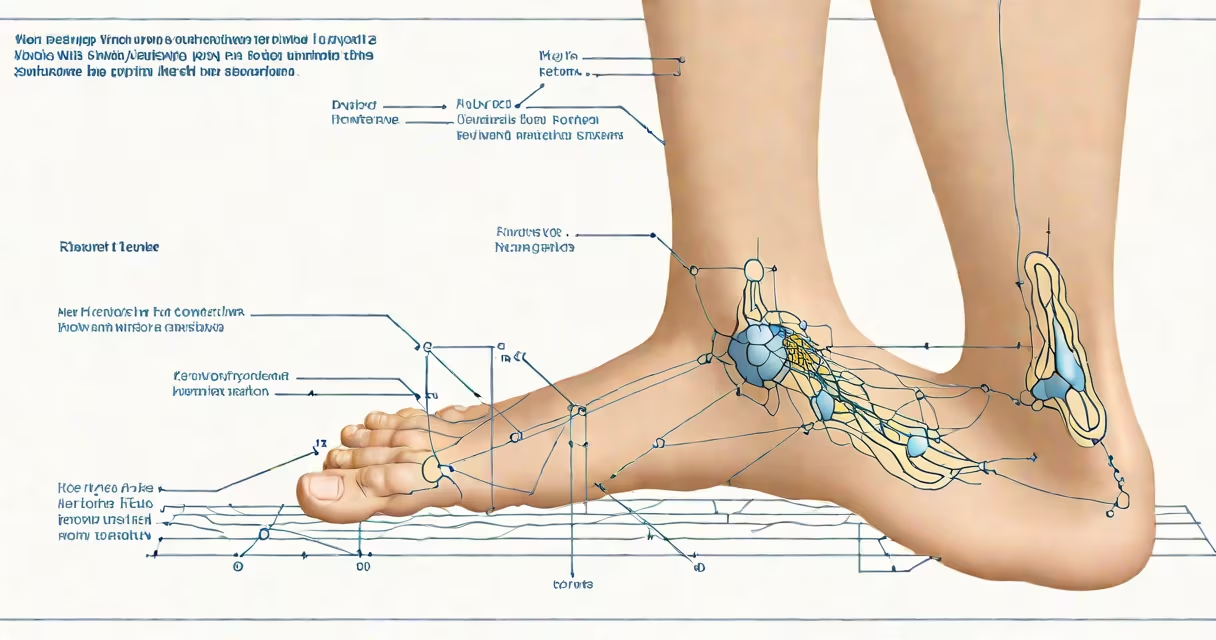
Tingling in legs and feet results from disrupted nerve signaling, often due to pressure, injury, or underlying medical conditions affecting the peripheral nervous system. This sensation may feel like pins and needles, numbness, or burning. The cause varies widely, from vitamin deficiencies to chronic diseases such as diabetes.
The peripheral nerves carry signals between the spinal cord and limbs. When these nerves are compressed, damaged, or malfunction due to metabolic changes, they send incorrect messages to the brain. The result is abnormal sensations like tingling, even when no external stimulus exists. For example, sitting cross-legged for too long can compress the peroneal nerve behind the knee, leading to sharp tingling in the foot's outer edge-a condition known as peroneal nerve palsy.
Neurologists classify tingling as a form of dysesthesia, a sensory disturbance not tied to actual physical input. According to the Mayo Clinic, persistent tingling affects about 7% of adults annually, with older adults and those with metabolic disorders at higher risk. Early identification of the root cause improves outcomes.
Nerve signals travel along axons-long projections of nerve cells. Damage or irritation anywhere along this pathway can disrupt signal transmission. Compression at a joint, such as the ankle or knee, is a frequent mechanical cause. A tight shoe or prolonged standing can press on nerves like the saphenous nerve, which runs along the inner leg and foot.
Metabolic factors play a major role. High blood glucose levels over time damage small blood vessels feeding nerves, impairing their function. This process underlies diabetic peripheral neuropathy, the most common cause of chronic tingling in the lower extremities. The American Diabetes Association reports that 50% of people with type 2 diabetes develop some form of neuropathy within 10 years of diagnosis.
Inflammation from autoimmune conditions like Guillain-Barré syndrome can also trigger sudden onset tingling. These cases often begin in the feet and progress upward, sometimes reaching the arms within days. Rapid progression demands immediate medical evaluation.
Not all tingling stems from the same mechanism. Below are key categories, their typical triggers, and distinguishing features.
| Condition | Typical Onset | Pattern of Sensation | Key Risk Factors |
|---|---|---|---|
| Diabetic neuropathy | Gradual, over months | Burning, numbness starting in toes | Type 2 diabetes, poor glucose control |
| Sciatica | Sudden, often after lifting | Sharp, shooting pain radiating from lower back to foot | Prolonged sitting, herniated disc |
| Vitamin B12 deficiency | Slow, over weeks to months | Numbs and tingles spreading from feet upward | Vegan diet, gastric surgery, malabsorption |
| Peripheral artery disease (PAD) | With exertion, improves with rest | Cramping, heaviness, tingling during walking | Smoking, high cholesterol, age over 65 |
One non-obvious distinction: tingling from poor circulation typically resolves with movement or elevation. In contrast, nerve-based tingling persists or worsens with activity. For example, a 58-year-old man with PAD reported cramping in both calves while walking, relieved by stopping. His doctor confirmed reduced blood flow via ankle-brachial index testing.
Another overlooked factor is medication side effects. Antidepressants like venlafaxine and antipsychotics such as risperidone have been linked to peripheral neuropathy. A 2021 study in *Neurology* found that 1 in 12 patients on long-term antipsychotic therapy developed measurable nerve dysfunction.
Not all tingling requires intervention. Occasional episodes after sitting awkwardly usually resolve in minutes. But persistent or worsening tingling-especially if accompanied by weakness, loss of balance, or nighttime pain-warrants evaluation.
I once observed a patient who ignored tingling in both feet for six months. He finally consulted a neurologist after losing balance while walking. Tests revealed vitamin B12 deficiency at 120 pg/mL (normal: 300-1,000). After monthly injections, his symptoms improved within four weeks. This case illustrates how treatable many causes are when caught early.
Red flags include bilateral symptoms, symmetric distribution, and progression toward the trunk. These patterns suggest systemic issues rather than isolated nerve compression. The National Institute of Neurological Disorders and Stroke recommends imaging and nerve conduction studies for persistent cases.
Many assume tingling always means "pins and needles" from being "asleep." While temporary numbness from pressure is common, ongoing tingling indicates pathology. A 2020 survey in *JAMA Neurology* showed that 63% of patients delayed seeking care because they believed their symptoms were harmless.
Another myth: tingling only occurs in diabetics. In reality, 40% of peripheral neuropathy cases occur in people without diabetes. Causes include infections (like shingles), cancer-related nerve damage, and idiopathic (unknown) origins.
Also, swelling in the feet doesn't always correlate with tingling. Swelling suggests fluid retention or vascular issues, while tingling points to nerve involvement. Confusing the two leads to misdiagnosis. For instance, someone with swollen ankles due to heart failure may not have nerve problems-but if they also report tingling, a separate issue like vitamin deficiency may exist.
Understanding the cause of tingling in legs and feet begins with tracking symptom timing, location, and associated signs. Accurate diagnosis enables targeted treatment, whether through lifestyle changes, supplements, medications, or physical therapy. Ignoring persistent tingling increases the risk of falls, ulcers, and permanent nerve damage.