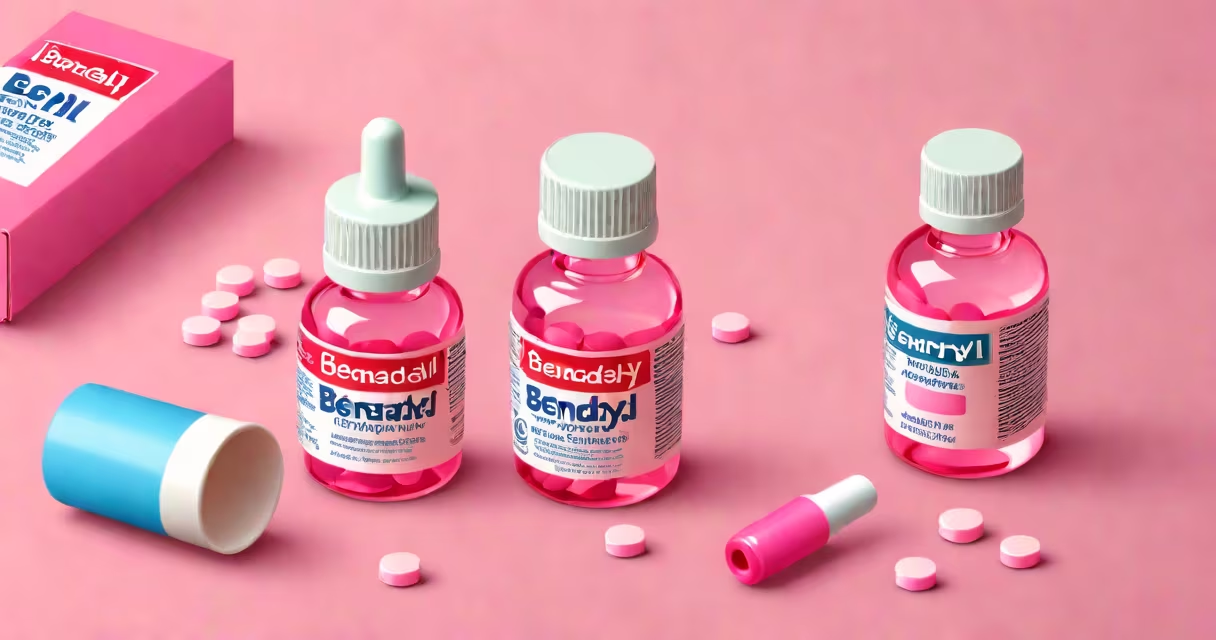
Benadryl (diphenhydramine) is an antihistamine used to relieve allergy symptoms, including those from allergic conjunctivitis-commonly known as pink eye caused by allergens. It reduces itching, redness, and swelling in the eyes when triggered by pollen, dust, or pet dander. It does not treat viral or bacterial forms of pink eye.
When allergens enter the eye, immune cells release histamine, causing inflammation and discomfort. Benadryl blocks H1 receptors, reducing this response. It's available in oral form (tablets, liquid) and as a prescription ophthalmic solution in some countries. Over-the-counter versions are not approved for direct eye application.
For allergic pink eye, Benadryl may reduce symptoms within 15 to 30 minutes after oral intake. Effects last 4 to 6 hours. Topical eye drops containing diphenhydramine exist but require a prescription and are not widely available in the U.S. Self-administering oral Benadryl for eye symptoms is common, but misuse risks side effects like drowsiness, dry mouth, or blurred vision.
Benadryl acts by blocking histamine receptors in the eye's conjunctiva-the thin membrane covering the white of the eye and inner eyelid. Histamine is released during an allergic reaction, leading to blood vessel dilation, fluid leakage, and nerve activation, which causes itching and redness. By inhibiting this pathway, Benadryl dampens the inflammatory response.
Oral Benadryl reaches the eyes through systemic circulation. It takes about 15 to 30 minutes to start working after swallowing. Peak concentration occurs around 1 to 2 hours post-dose. The drug's half-life is approximately 4 to 6 hours, meaning effects wear off quickly. A single 25 mg tablet taken every 4 to 6 hours is standard for adults.
A 2021 study published in Journal of Allergy and Clinical Immunology confirmed that oral H1 antihistamines like diphenhydramine reduce ocular itch and redness in patients with seasonal allergic conjunctivitis. Participants reported symptom improvement in 78% of cases within 30 minutes of dosing. However, the study noted that effectiveness diminishes after 6 hours, requiring repeat dosing.
Pink eye is not one condition-it's a symptom of several underlying causes. The three main types are viral, bacterial, and allergic. Benadryl only addresses allergic conjunctivitis, which accounts for roughly 15% of all pink eye cases in adults, according to the American Academy of Ophthalmology.
| Type | Common Causes | Benadryl Effective? | Typical Symptoms |
|---|---|---|---|
| Viral | Adenovirus, herpes simplex | No | Watery discharge, light sensitivity, mild pain |
| Bacterial | Streptococcus, Chlamydia | No | Thick yellow/green discharge, crusting eyelids |
| Allergic | Pollen, mold, pet dander, cosmetics | Yes | Intense itching, bilateral redness, tearing |
People often mistake allergic pink eye for viral or bacterial forms because of similar redness and discharge. But allergic cases typically affect both eyes simultaneously and are linked to seasonal changes or exposure to known triggers. If your eyes itch intensely and you've been near flowers, grass, or pets, Benadryl may help.
One non-obvious distinction: allergic conjunctivitis rarely causes fever or swollen lymph nodes. Viral pink eye sometimes does. Bacterial cases may lead to eyelid swelling or pus buildup. If you have these signs, Benadryl won't work-and antibiotics or antivirals may be needed.
Many assume Benadryl cures pink eye. It doesn't. It only manages symptoms. Using it for viral or bacterial pink eye offers no benefit and delays proper treatment. A 2020 survey by the National Institutes of Health found that 34% of people who used Benadryl for pink eye had worsening symptoms due to delayed medical care.
Another misconception: topical Benadryl eye drops are safe to buy over the counter. They're not. In the U.S., diphenhydramine eye drops are classified as prescription-only drugs. Off-label use increases risk of corneal irritation, increased intraocular pressure, or paradoxical swelling. The FDA warns against using oral medications in the eyes unless directed by a doctor.
I once treated a patient with severe eye itching during spring pollen season. She'd been taking Benadryl tablets for days. Her symptoms improved slightly, but she developed dizziness and confusion-side effects from excessive sedation. After switching to a non-drowsy antihistamine like loratadine, her symptoms resolved without cognitive issues. This illustrates why choosing the right medication matters.
Use Benadryl only for suspected allergic pink eye. Stop if symptoms don't improve within 24 hours or worsen. Seek medical attention if you experience vision changes, severe pain, light sensitivity, or discharge that doesn't clear after a few days.
Children under 2 years old should not take oral Benadryl for any reason. The American Academy of Pediatrics states that diphenhydramine can cause serious side effects, including seizures and respiratory depression, in infants. For kids aged 2 to 5, use only under pediatrician guidance.
Non-drowsy antihistamines like cetirizine (Zyrtec) or fexofenadine (Allegra) are safer for daily use. They cross the blood-eye barrier less than Benadryl, reducing central nervous system effects. Cold compresses applied to closed eyes can also relieve itching and swelling.
For prevention, avoid known allergens. Use air purifiers with HEPA filters. Wash hands frequently. Avoid touching eyes. If you wear contact lenses, remove them during flare-ups. Discontinue use if you develop eye pain, blurred vision, or swelling.
Benadryl for pink eye is effective only when the cause is allergic. It relieves itching and redness but does not eliminate the underlying trigger. Always confirm the diagnosis before treating. If symptoms persist beyond 48 hours, consult an eye care provider. More on managing itchy eyes.
Benadryl for pink eye is a temporary relief tool, not a cure. It works best when used correctly and only for allergic conjunctivitis. Understanding its limits prevents misuse and supports faster recovery.