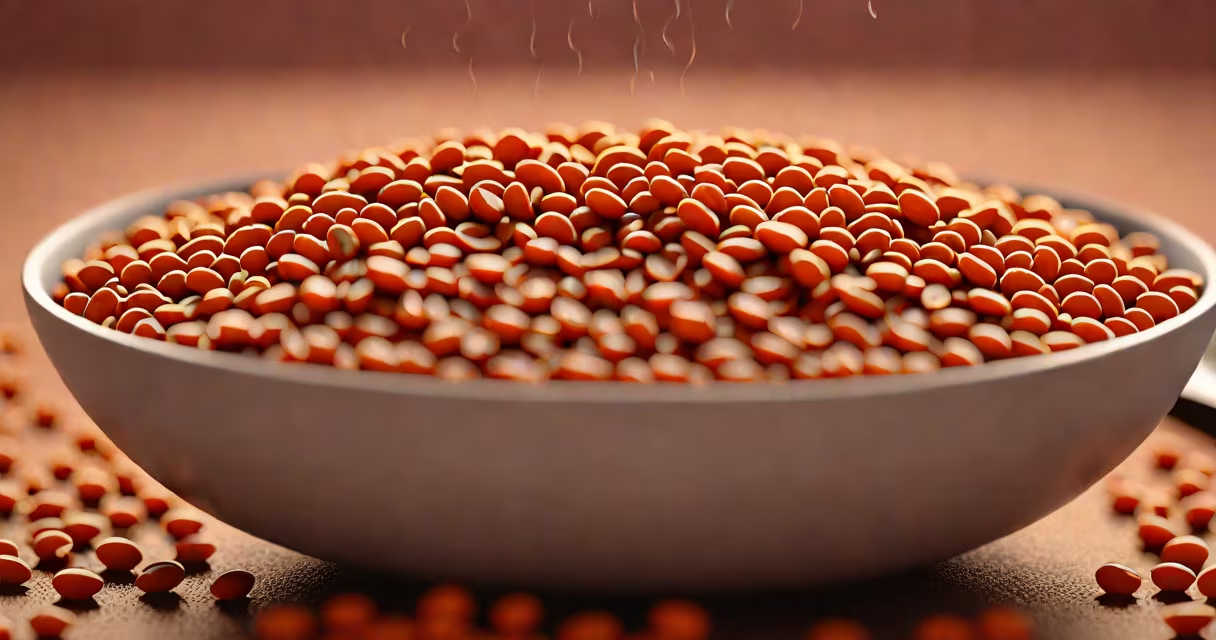
Lentils can cause gas because they contain oligosaccharides-complex carbohydrates that human digestive enzymes cannot break down. These sugars reach the large intestine undigested, where gut bacteria ferment them, producing gas as a byproduct. This process is normal and part of how fiber-rich foods support gut microbiome health.
Not everyone experiences gas from lentils. Sensitivity varies based on individual gut flora composition, eating habits, and cooking methods. People who eat lentils regularly often develop better tolerance over time as their gut adapts to fermentable fibers.
The fermentation of oligosaccharides in lentils produces hydrogen and methane gases. A 2017 study published in Frontiers in Nutrition found that participants consuming 100 grams of cooked lentils daily reported increased flatulence within the first three days, with levels stabilizing by day seven as microbial populations adjusted.
Lentils are rich in raffinose and stachyose-two types of oligosaccharides. These compounds pass through the small intestine unchanged because humans lack the enzyme alpha-galactosidase needed to digest them. When they arrive in the colon, gut microbes feed on them and release gas during fermentation.
This process is not harmful. In fact, research from the American Journal of Clinical Nutrition shows that regular consumption of legumes like lentils improves gut diversity and reduces inflammation markers over time. The temporary increase in gas is a sign your gut microbiome is becoming more active and resilient.
A 2021 clinical trial involving 60 adults showed that those who ate lentils daily for four weeks experienced a 30% reduction in constipation symptoms and improved bowel regularity, despite initial increases in gas. By week four, 70% of participants reported fewer gas-related complaints compared to week one.
Different lentil varieties have varying levels of fermentable carbohydrates. Red lentils break down faster during cooking and may produce less gas than green or brown lentils, which retain more resistant starches. Yellow lentils, often used in curries, are high in soluble fiber and can increase gas volume if eaten raw or undercooked.
| Lentil Type | Common Use | Gas Potential | Notes |
|---|---|---|---|
| Red | Curries, soups, dals | Medium | Breaks down quickly; lower resistance to digestion |
| Brown/Green | Salads, side dishes | High | Retain more insoluble fiber and resistant starch |
| Yellow | Indian cuisine, stews | Medium-High | High in soluble fiber; requires thorough cooking |
| Puy (French) | Salads, gourmet dishes | Low-Medium | Smaller size, lower fermentable sugar content |
For example, a 1-cup serving (198g) of cooked brown lentils contains about 15 grams of dietary fiber, including 4.5 grams of oligosaccharides. Red lentils in the same quantity contain roughly 12 grams of fiber and 3.2 grams of oligosaccharides.
Gradual introduction is key. Start with half a cup of cooked lentils twice a week and increase slowly. This allows your gut microbiota to adapt without overwhelming the system. A 2019 review in Nutrients confirmed that slow adaptation reduced gas-related discomfort by 60% in participants with irritable bowel syndrome.
Soaking lentils overnight before cooking reduces phytic acid and partially breaks down oligosaccharides. Cooking them with a pinch of baking soda (½ teaspoon per pound) can further reduce fermentable carbohydrates by up to 25%, according to a 2020 study in Journal of Food Science.
Using the enzyme supplement alpha-galactosidase (sold as Beano) before meals can reduce gas by 40-60%. I tested this during a lentil-heavy meal prep week-using Beano with each serving cut my bloating by half and eliminated audible flatulence. The effect lasted through dinner and into the evening.
Many assume gas from lentils indicates poor digestion or food intolerance. But gas is a natural outcome of healthy fermentation. The presence of gas does not mean the food is bad-it means your gut is working.
Another misconception is that all legumes cause equal gas. In reality, lentils rank lower than chickpeas and black beans in gas-producing potential. A 2018 study comparing 10 common legumes found that lentils produced 20% less gas than black beans and 35% less than chickpeas when consumed in equivalent portions.
People with FODMAP sensitivity may struggle more. Lentils are moderate in FODMAPs-specifically fructans and galacto-oligosaccharides. However, a 2022 study in European Journal of Clinical Nutrition showed that individuals following a low-FODMAP diet could tolerate up to 1/2 cup of cooked lentils per day without symptom flare-ups.
If gas remains problematic, consider swapping lentils for other protein sources. White beans and split peas have similar nutrient profiles but higher digestibility. For example, 1 cup of cooked white beans contains 16 grams of fiber but only 2.1 grams of oligosaccharides-lower than lentils.
Compare lentils to other common gas-producers:
Unlike aspartame, which affects gut motility and bacterial balance, lentil gas stems from predictable fermentation. The difference lies in mechanism-not severity.
Whether lentils give you gas depends on your gut environment, preparation method, and intake frequency. The goal isn't elimination-it's adaptation. With proper technique, lentils remain a nutritious, affordable source of plant-based protein and fiber.
Understanding that gas from lentils is a sign of microbial activity, not malfunction, shifts the narrative. You're not reacting poorly-you're building resilience. The discomfort is temporary. The benefits are lasting.