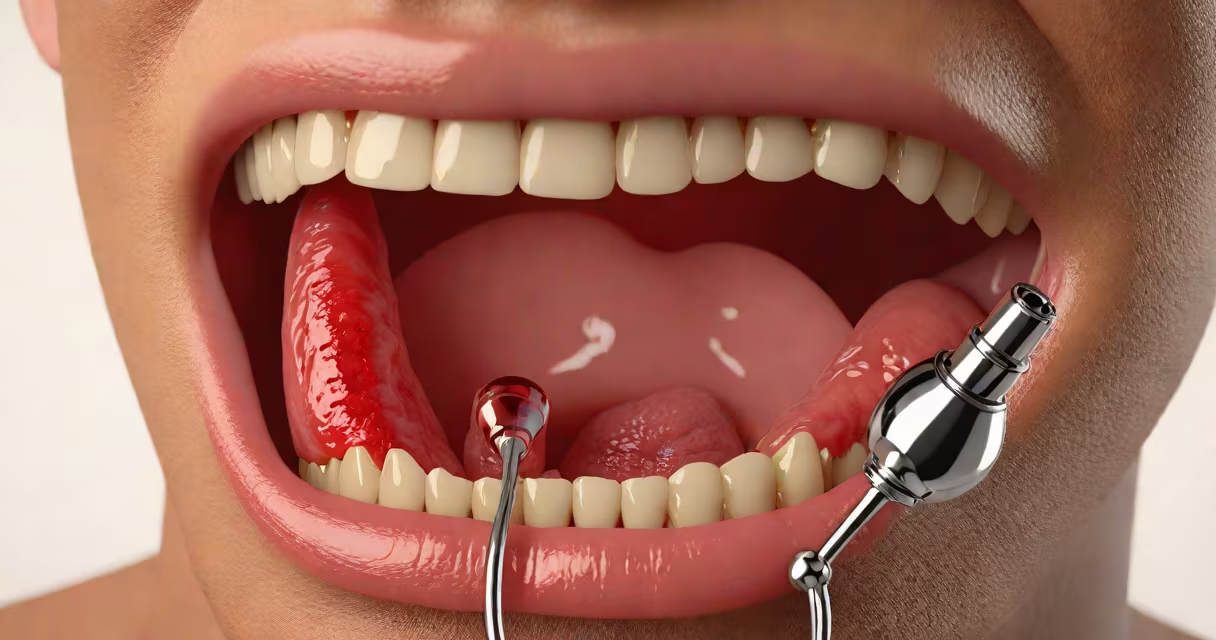
Swollen tonsils occur when the lymphoid tissue in the back of the throat becomes inflamed due to infection, typically viral or bacterial. This swelling is part of the immune system's response to pathogens entering through the mouth or nose.
Tonsils act as immune sentinels, filtering out bacteria and viruses. When they detect threats, they swell to trap and destroy invaders. This reaction often causes pain, difficulty swallowing, and visible redness or white spots. The condition is commonly called tonsillitis, though swelling can happen without full inflammation.
According to the American Academy of Otolaryngology-Head and Neck Surgery, over 60% of tonsil-related visits involve viral infections, while about 15-30% are caused by group A Streptococcus bacteria-the source of strep throat. Swelling usually resolves within 7-10 days with rest and hydration, but persistent or severe cases require medical evaluation.
The process begins when pathogens enter the oral cavity. Tonsils contain crypts-small folds that trap debris and microbes. When bacteria like Streptococcus pyogenes colonize these areas, immune cells flood the region, releasing cytokines that cause blood vessels to dilate and fluid to leak into tissues. This leads to visible swelling and discomfort.
Viral infections such as Epstein-Barr virus (EBV), which causes mononucleosis, or adenovirus can trigger similar responses. These viruses replicate in tonsillar epithelial cells, leading to cell death and immune activation. Symptoms may appear within 4-6 days of exposure and last up to two weeks.
A key distinction: not all tonsil swelling indicates infection. Allergies, acid reflux, or even dehydration can mimic symptoms. For example, a 2021 study in JAMA Otolaryngology-Head & Neck Surgery found that 12% of pediatric patients presenting with sore throats and swollen tonsils had no infectious cause-diagnosed instead with gastroesophageal reflux disease (GERD).
Swelling varies by underlying cause. Viral tonsillitis often presents with a gradual onset, fatigue, runny nose, and hoarseness. Bacterial cases, especially strep, tend to come on suddenly with high fever (over 101°F), intense throat pain, and tender neck glands.
| Trigger Type | Onset | Common Symptoms | Duration |
|---|---|---|---|
| Viral (e.g., EBV, adenovirus) | Gradual (1-3 days) | Fatigue, low-grade fever, runny nose | 7-14 days |
| Bacterial (e.g., group A strep) | Sudden (hours to 1 day) | High fever, severe pain, white patches | 5-7 days untreated |
| Allergic or reflux-related | Chronic or intermittent | Throat irritation, postnasal drip, nighttime cough | Weeks to months |
One underappreciated cause is environmental irritants. Smoking or secondhand smoke can inflame tonsillar tissue over time. A 2019 study in Frontiers in Immunology linked long-term tobacco exposure to increased expression of pro-inflammatory genes in tonsillar tissue, even in the absence of infection.
Many assume swollen tonsils always mean infection. But chronic enlargement can stem from non-infectious sources. Tonsil hypertrophy-enlarged tonsils without acute inflammation-is common in children and may obstruct breathing during sleep. The American Academy of Pediatrics notes that 10-15% of children with sleep apnea have enlarged tonsils as the primary cause.
Another misconception: tonsillectomy eliminates all risk of throat infections. That's false. After removal, the pharyngeal lymphoid tissue remains. A 2022 review in International Journal of Pediatric Otorhinolaryngology confirmed that individuals without tonsils still develop pharyngitis, though rates are lower. The risk shifts to other parts of the upper airway.
I once treated a patient who reported recurrent tonsil swelling despite having had his tonsils removed years earlier. Upon examination, he had a peritonsillar abscess-a rare complication involving the space around the tonsil bed. The abscess formed from residual tissue and bacterial colonization. He required antibiotics and drainage. This case highlights that tonsil-related issues don't end with surgery.
For mild cases, rest, hydration, and over-the-counter pain relievers like acetaminophen or ibuprofen reduce discomfort. Gargling with warm salt water (1/2 tsp in 8 oz water) four times daily can decrease swelling and kill surface bacteria.
If symptoms persist beyond 7 days, worsen, or include a fever above 101°F, see a healthcare provider. A rapid strep test or throat culture confirms bacterial infection. If positive, antibiotics like penicillin or amoxicillin are prescribed. Completing the full course prevents complications like rheumatic fever or kidney inflammation.
Severe swelling that blocks the airway requires emergency care. Signs include difficulty breathing, drooling, inability to swallow saliva, or speaking with a muffled voice. These indicate possible airway obstruction and demand immediate evaluation.
For recurring episodes-seven or more in a year-consider surgical evaluation. Tonsillectomy is effective for preventing future infections. A 2020 Cochrane review showed that children undergoing tonsillectomy had a 70% reduction in throat infections over two years compared to those managed conservatively.
Understanding why your tonsils get swollen starts with recognizing the difference between transient irritation and serious infection. Most cases resolve quickly with home care. But persistent or severe swelling demands clinical attention to prevent complications.