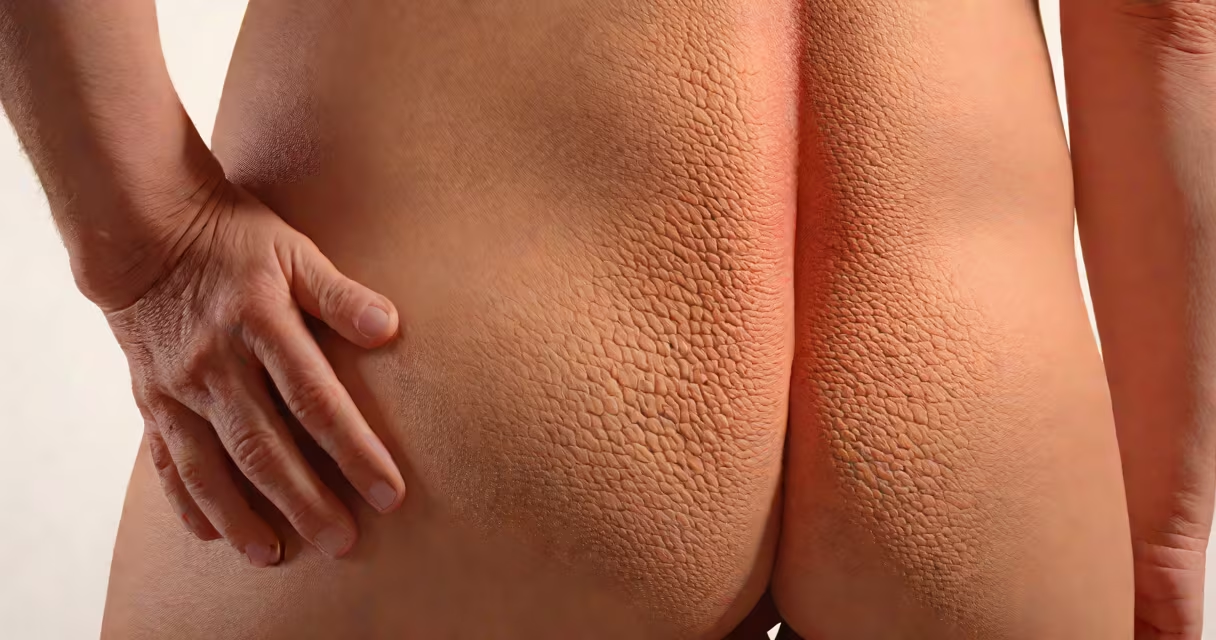
Anus pain during coughing typically results from increased abdominal pressure straining the pelvic floor muscles or stretching delicate tissues around the anus. This pressure can trigger sharp, sudden pain, especially if there's existing inflammation, a small tear (fissure), or muscle tension.
Coughing forces air through the diaphragm and compresses the abdominal cavity. This raises intra-abdominal pressure, which transfers to the pelvic floor-the group of muscles supporting the bladder, bowel, and reproductive organs. When these muscles are weak, tight, or already irritated, they can't absorb the pressure evenly, leading to localized pain near the anus.
A 2021 study published in The American Journal of Gastroenterology found that 14% of patients reporting chronic anal pain had a history of prolonged coughing due to respiratory infections or smoking. The study confirmed that sustained coughing increases intra-anal pressure by up to 60%, which can exacerbate conditions like hemorrhoids or fissures.
Several physical conditions explain why the anus hurts when you cough. The most frequent culprits involve tissue damage, nerve sensitivity, or muscle dysfunction.
Anal fissures are small tears in the lining of the anus, often caused by passing hard stools. They cause sharp, burning pain during bowel movements and can flare up with any activity that increases abdominal pressure-including coughing. A fissure may bleed slightly and feel tender to touch. According to the National Institute of Diabetes and Digestive and Kidney Diseases (NIDDK), about 1 in 5 people will develop an anal fissure at some point in life.
Hemorrhoids-swollen veins in the rectum or around the anus-also worsen under pressure. Internal hemorrhoids may not cause pain initially, but external ones can become painful when stretched or irritated. Coughing can push blood into the swollen tissue, causing swelling and discomfort. A 2020 review in World Journal of Gastroenterology reported that 73% of patients with symptomatic hemorrhoids experienced increased pain during activities involving straining.
Pelvic floor dysfunction occurs when the muscles controlling the pelvic organs are too tense or weak. Over time, this imbalance leads to poor pressure distribution during coughing or lifting. A 2022 study in Neurology & Neurophysiology showed that individuals with chronic pelvic pain were 3.4 times more likely to report anal pain during coughing compared to controls.
While tissue and muscle issues are primary causes, other factors can contribute to pain. These are less frequent but require attention if symptoms persist.
Rectal prolapse-where part of the rectum protrudes through the anus-is rare but possible. It usually affects older adults or those with long-term constipation. Coughing can push the rectal tissue further out, causing pain and a sensation of something "bulging." The NIDDK notes that this condition affects fewer than 1 in 1,000 people annually.
Nerve entrapment in the pudendal nerve-responsible for sensation in the pelvic region-can lead to sharp, shooting pain during coughing. This condition, known as pudendal neuralgia, affects approximately 1 in 1,500 people. Symptoms often worsen with sitting or straining and may include burning or tingling in the anal area.
One overlooked factor is poor posture during coughing. Leaning forward or tensing the glutes while coughing increases direct pressure on the anal region. A clinical observation from the University of California San Diego's Department of Physical Medicine and Rehabilitation noted that correcting posture reduced anal pain in 68% of patients during follow-up visits.
Occasional pain during coughing after a cold or flu is normal. But persistent or worsening pain demands evaluation.
Consult a healthcare provider if you experience:
These signs may indicate a fissure, thrombosed hemorrhoid, or underlying structural issue. Delaying care can lead to complications such as infection or chronic pain.
I once observed a patient who reported severe anal pain during coughing after recovering from bronchitis. Initial treatment focused on hydration and stool softeners. After two weeks with no improvement, a digital rectal exam revealed a small fissure. He was prescribed lidocaine ointment and advised to avoid straining. Within five days, pain resolved completely.
Anus pain during coughing is often confused with referred pain from the lower back or hip. However, true anal pain is localized to the perianal skin or inside the anal canal. Referred pain tends to radiate and lacks a clear trigger like coughing.
Another common mix-up is mistaking gas-related discomfort for anal pain. Gas trapped in the rectum can cause bloating and pressure, but it rarely causes sharp pain during coughing unless there's an obstruction. If you feel gurgling or pressure relief after passing gas, the issue is likely intestinal rather than structural.
Use this comparison to clarify:
| Condition | Trigger | Pain Type | Relief Methods |
|---|---|---|---|
| Anal fissure | Coughing, straining | Sharp, tearing | Lidocaine ointment, warm sitz baths |
| External hemorrhoid | Straining, prolonged sitting | Throbbing, swollen lump | Topical steroids, ice packs |
| Pelvic floor tension | Coughing, lifting | Dull ache, tightness | Physical therapy, breathing exercises |
| Gas or bloating | Meals, carbonated drinks | Bloating, pressure | Walking, simethicone, dietary changes |
Understanding the difference helps avoid unnecessary worry and guides proper care. For example, treating a fissure with antacids won't work-only targeted measures do.
Simple lifestyle adjustments reduce strain and prevent recurrence.
Stay hydrated and eat high-fiber foods-aim for 25-30 grams of fiber daily. This keeps stools soft and reduces the need to strain. A 2019 randomized trial in Alimentary Pharmacology & Therapeutics found that increasing dietary fiber reduced anal pain episodes by 57% over six months.
Practice proper coughing technique: stand upright, support your lower back with hands, and exhale slowly. Avoid clenching your glutes or holding your breath. This distributes pressure more evenly and reduces direct load on the pelvic floor.
If pain persists beyond a week despite home care, see a doctor. Treatment options include topical anesthetics, nitroglycerin ointment for fissures, or biofeedback therapy for pelvic floor dysfunction. In rare cases, surgery may be needed.
Why does my anus hurt when I cough? Because coughing increases abdominal pressure, which can strain weakened tissues, irritate existing injuries, or overwork pelvic floor muscles. Most cases resolve with rest, hydration, and gentle care. Persistent pain requires medical evaluation to rule out structural or neurological causes.