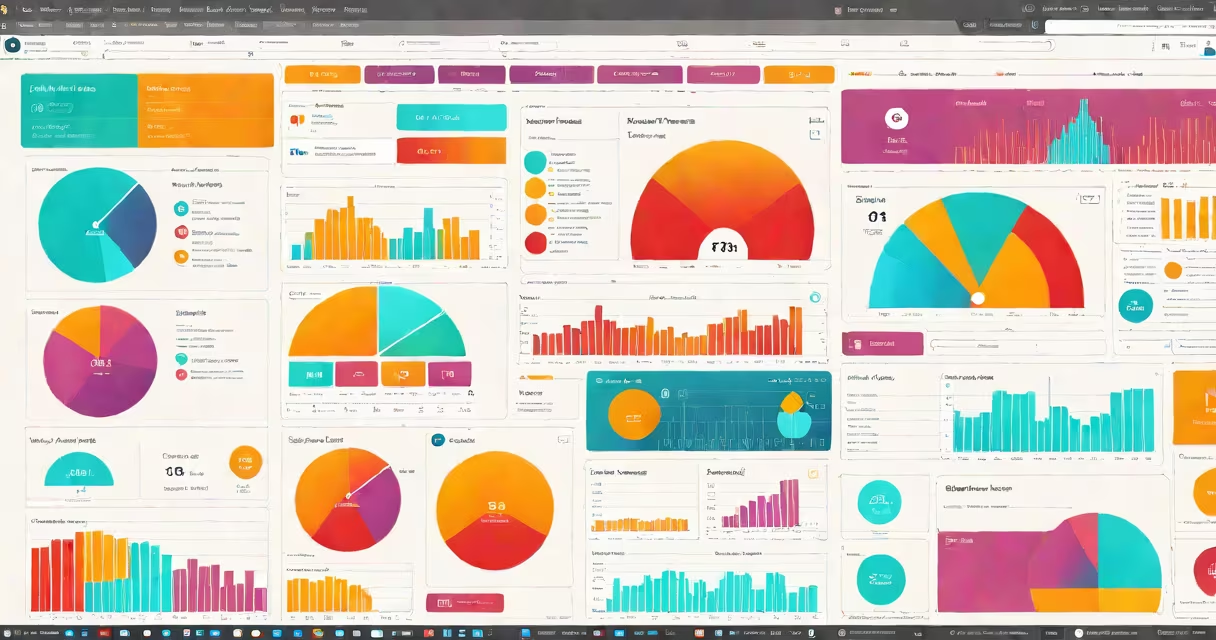
Adobe Experience Cloud is a set of integrated digital experience management tools that enables organizations to collect, analyze, and act on customer data across websites, mobile apps, email, social media, and advertising platforms. It powers personalized interactions at scale by combining data analytics, audience segmentation, content delivery, and marketing automation.
The platform operates on a centralized data layer called Adobe Experience Platform, which ingests behavioral, transactional, and demographic data from multiple sources-such as web clicks, app usage, CRM systems, and offline events. This unified view allows marketers to build detailed customer profiles and trigger automated actions based on real-time behavior.
For example, a retail brand using Adobe Experience Cloud can track a visitor's browsing history on their site, identify they've viewed winter coats but not purchased, and automatically send a targeted email with a discount offer within minutes. The system records the interaction, measures conversion rates, and adjusts future messaging based on performance-all within a single dashboard.
At its core, Adobe Experience Cloud functions through four interconnected components: data collection, identity resolution, activation, and measurement. Data flows in from web tags, mobile SDKs, APIs, and third-party integrations. Adobe Experience Platform uses machine learning to match anonymous users with known identities-like logged-in accounts or CRM records-creating persistent customer profiles.
Once identities are resolved, marketers can segment audiences based on behavior, demographics, or predicted outcomes. These segments then feed into activation tools such as Adobe Campaign for email and SMS, Adobe Target for A/B testing and personalization, and Adobe Advertising Cloud for paid media buying. All actions are coordinated through a shared data model, reducing duplication and improving consistency.
Measurement happens via Adobe Analytics, which tracks user journeys across touchpoints. Unlike basic web analytics, Adobe Analytics supports event-based modeling, allowing teams to define custom metrics like "cart abandonment rate" or "content engagement score." Reports update in near real time, enabling rapid iteration on campaigns.
Adobe Experience Cloud includes several specialized modules designed for different stages of the customer lifecycle:
| Component | Purpose | Use Case Example |
|---|---|---|
| Adobe Analytics | Tracks user behavior and measures campaign effectiveness | Measuring click-through rates on a new product landing page |
| Adobe Target | Delivers personalized content using A/B and multivariate testing | Testing two versions of a homepage headline to see which increases sign-ups |
| Adobe Campaign | Manages omnichannel marketing campaigns via email, SMS, push notifications | Sending birthday offers to customers whose birthdays fall in the current week |
| Adobe Advertising Cloud | Automates paid media buying across search, display, video, and social | Optimizing Google Ads budgets based on conversion data from past campaigns |
| Adobe Process Optimizer | Uses predictive modeling to recommend optimal next steps in a customer process | Recommending a follow-up video tutorial after a user completes a software onboarding flow |
Each module integrates with the others through shared data models and APIs. For instance, data collected in Adobe Analytics can trigger workflows in Adobe Campaign, while Adobe Target uses insights from both to serve changing content.
Adobe Experience Cloud is primarily used by large enterprises and mid-sized brands with complex customer journeys. Industries including e-commerce, financial services, healthcare, and media rely on it to manage high-volume interactions across digital and physical channels.
A major U.S. bank uses Adobe Experience Cloud to personalize digital banking experiences. When a customer logs in, the system displays relevant products-like auto loans or credit cards-based on their spending patterns, location, and recent searches. The bank's marketing team monitors drop-off points in the application process and adjusts form fields or messaging in real time to reduce abandonment.
One non-obvious distinction: Adobe Experience Cloud is not a standalone website builder. It doesn't create landing pages or design templates. Instead, it works with existing content management systems (CMS), e-commerce platforms (like Salesforce Commerce Cloud), and web frameworks (such as React or Angular). You integrate it into your existing digital infrastructure rather than replace it.
Another frequent error is thinking Adobe Experience Cloud replaces CRM systems. It doesn't. While it can sync with Salesforce, HubSpot, or Microsoft Dynamics, it focuses on behavioral data-not account management or sales pipeline tracking. Think of it as the digital front end of customer engagement, while CRMs handle backend relationship management.
I once observed a small agency attempt to use Adobe Experience Cloud to replace their entire marketing stack. They imported thousands of customer records from spreadsheets and expected immediate results. But without proper tagging, data governance, or segmentation logic, the platform delivered generic messages to random users. Conversion rates dropped 30% in the first month. The fix required auditing every data source and implementing a phased rollout-proving that even useful tools fail without foundational setup.
According to Adobe's official documentation, over 90% of Fortune 100 companies use Adobe Experience Cloud. Gartner's 2023 Magic Quadrant for Digital Experience Platforms ranked Adobe as a leader, citing its depth in AI-driven personalization and cross-channel orchestration.
What is Adobe Experience Cloud? It's a complete, data-driven platform for creating and optimizing customer experiences across digital touchpoints. It's not a single tool but a network of interlocking systems that collect behavior, understand intent, deliver relevance, and measure impact. Its strength lies in unifying fragmented data streams into actionable insights-and doing so at enterprise scale.
Organizations that succeed with Adobe Experience Cloud treat it as a strategic capability, not just a software license. Success requires clear ownership, consistent data hygiene, and collaboration between marketing, IT, and analytics teams. When implemented correctly, it turns customer interactions into measurable growth.