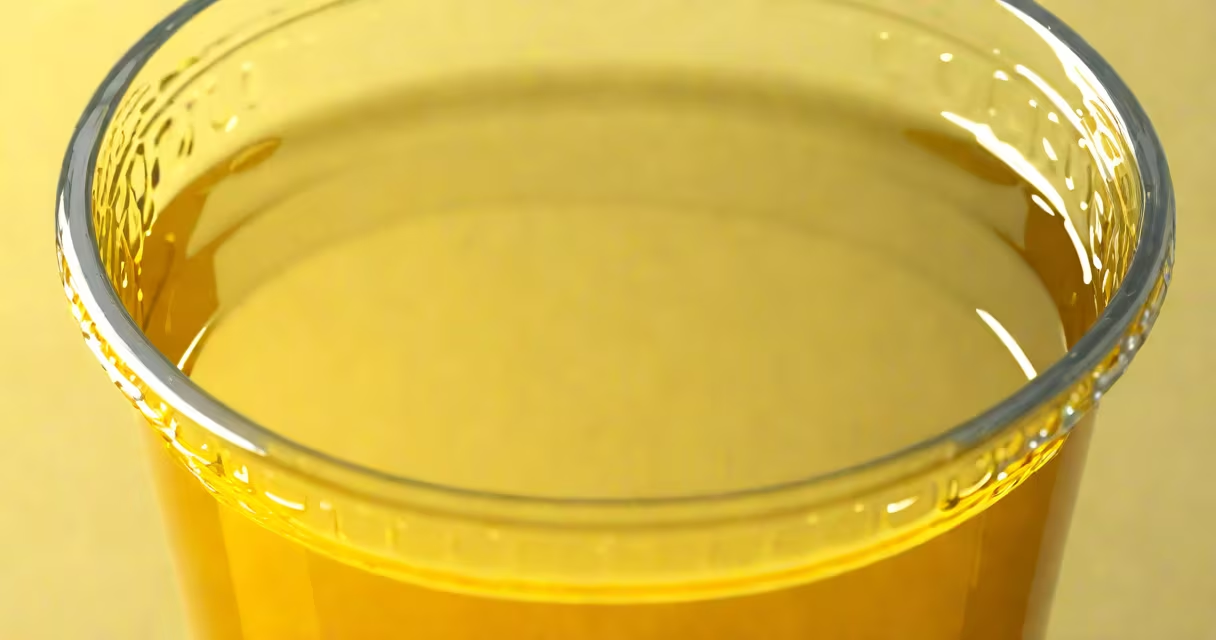
Dark yellow urine typically indicates mild to moderate dehydration, but it can also signal underlying liver, kidney, or metabolic conditions. The color results from concentrated waste products like urobilinogen, which increase when fluid intake drops or organ function is impaired.
Urine color ranges from pale straw to amber, with dark yellow falling between moderate hydration and severe dehydration. The human body maintains fluid balance through osmoregulation, adjusting urine concentration based on water availability. When daily fluid intake falls below 1.5 liters, urine becomes darker due to reduced volume and higher solute concentration.
Normal urine color varies throughout the day. Morning urine is usually darker due to overnight fluid loss during sleep. A single episode of dark yellow urine after a long night without drinking may resolve with rehydration. However, persistent dark yellow urine-even with adequate fluid intake-warrants evaluation for medical causes.
The pigment urobilinogen, produced from bilirubin breakdown in the liver, gives urine its yellow hue. Higher concentrations intensify the color. In healthy individuals, dilute urine appears pale yellow; concentrated urine turns deeper shades. The Mayo Clinic notes that urine color is a reliable early indicator of hydration status, especially when combined with thirst and skin elasticity.
When you're dehydrated, the kidneys conserve water by reabsorbing more fluid from the filtrate. This increases the concentration of urea, creatinine, and urobilinogen, resulting in darker urine. A study published in Frontiers in Physiology found that participants who consumed less than 1 liter of water daily had darker urine compared to those who drank 2.5 liters.
Dark yellow urine is not always about fluids. Conditions affecting the liver-such as hepatitis or cirrhosis-or bile duct obstruction can cause bilirubin to enter the bloodstream and appear in urine, turning it amber or brownish. Kidney dysfunction reduces filtration efficiency, allowing waste products to accumulate and darken urine.
Dehydration remains the most frequent cause of dark yellow urine. It occurs during physical exertion, hot weather, illness with fever or vomiting, or insufficient fluid intake. Athletes training in high heat may develop dark yellow urine within hours without realizing they're losing fluids faster than they replace them.
Medications and supplements can alter urine color. B-complex vitamins, especially riboflavin (vitamin B2), produce fluorescent yellow urine. High-dose vitamin B6 supplements have been shown to turn urine bright yellow or orange in up to 70% of users, according to the National Institutes of Health.
Some foods influence urine color. Beets, blackberries, and rhubarb contain pigments that pass unchanged through the digestive tract and into urine. These can mimic dark yellow or even red hues, though they don't affect health. A 2021 case report in BMJ Case Reports documented a patient whose urine turned bright yellow after consuming a beet-based smoothie, resolving within 24 hours.
| Color | Typical Cause | Urgency Level |
|---|---|---|
| Light yellow | Optimal hydration | Low |
| Dark yellow | Dehydration, medication, diet | Moderate |
| Amber or brown | Liver disease, bile obstruction | High |
| Red or pink | Blood in urine, beets, medications | High |
Dark yellow urine is often confused with jaundice-related discoloration. Jaundice involves yellowing of the skin and eyes due to elevated bilirubin, while dark urine from liver issues lacks visible skin changes. The American Liver Foundation states that dark urine alone-without other symptoms-is rarely caused by liver disease, but when paired with fatigue, abdominal pain, or pale stools, it requires testing.
Dark yellow urine lasting more than two days despite consistent fluid intake should prompt a visit to a healthcare provider. Persistent darkness suggests an underlying issue beyond simple dehydration. The Centers for Disease Control and Prevention recommends seeking care if urine remains dark after increasing water consumption to 2-3 liters daily.
A personal observation: during a hiking trip in Arizona, I noticed my urine was consistently dark yellow despite drinking 3 liters of water daily. After returning home, blood tests revealed low serum sodium levels and elevated creatinine-signs of chronic dehydration and early kidney stress. Rehydration and dietary adjustments restored normal urine color within five days.
Medical evaluation includes urinalysis and blood tests. Urinalysis checks for glucose, protein, ketones, and bilirubin. Elevated bilirubin confirms liver or biliary system involvement. Blood tests assess kidney function (creatinine, BUN), liver enzymes (ALT, AST), and electrolytes. A 2020 review in Journal of Clinical Medicine found that 12% of patients presenting with dark urine had abnormal liver function tests, even without symptoms.
Start by increasing daily fluid intake to 2.5-3 liters of water. Monitor urine color over 24-48 hours. If it returns to pale yellow, dehydration was likely the cause. Avoid diuretics like caffeine and alcohol during this period.
Understanding your urine color provides immediate feedback on internal health. Dark yellow urine is not a diagnosis-but it is a signal. Responding promptly prevents minor issues from becoming serious ones.