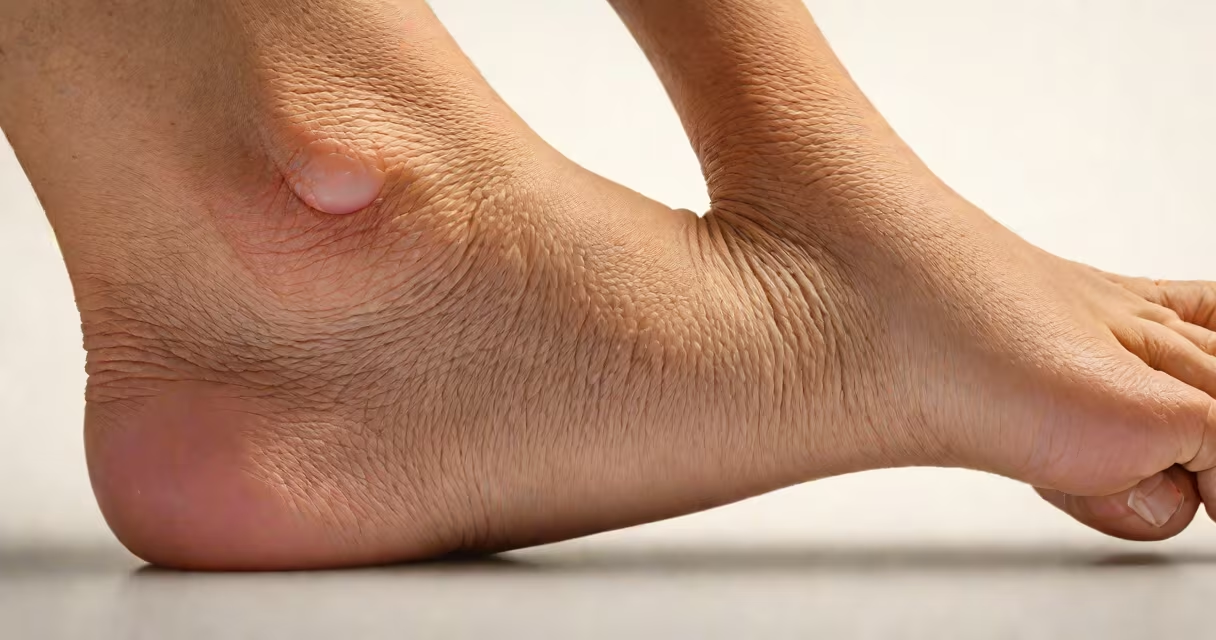
A sprained ankle occurs when the ligaments supporting the joint stretch or tear due to sudden twisting, rolling, or impact. This injury affects the connective tissues stabilizing the foot and lower leg, often resulting in pain, swelling, and reduced mobility within minutes of the incident.
Ligaments are tough bands of tissue that link bones together at joints. When force exceeds their tensile strength-such as during a misstep on uneven ground-they can partially or completely rupture. The most commonly injured ligaments in the ankle are the lateral ones on the outer side, particularly the anterior talofibular ligament (ATFL).
According to the American Academy of Orthopaedic Surgeons (AAOS), approximately 25,000 people in the U.S. experience an ankle sprain daily. Most cases involve mild to moderate damage, but even low-grade injuries can lead to long-term complications if not properly managed.
Within seconds of twisting your ankle, the body initiates an inflammatory response. Blood vessels dilate to deliver immune cells and nutrients to the damaged area. Fluid leaks into surrounding tissues, causing rapid swelling. Pain signals travel through nerves to the brain, triggering protective reflexes that limit movement.
For example, a basketball player landing awkwardly after a jump may hear a "pop" followed by sharp pain on the outer ankle. Within 15 minutes, swelling typically becomes visible. The injured person usually cannot bear weight without significant discomfort.
Medical guidelines from the National Institute of Arthritis and Musculoskeletal and Skin Diseases (NIAMS) state that early signs of a sprain include tenderness to touch, limited range of motion, and difficulty walking. These symptoms peak within 24-48 hours and gradually subside over days to weeks depending on severity.
Ankle sprains are classified into three grades based on ligament damage:
| Grade | Ligament Damage | Symptoms | Recovery Time |
|---|---|---|---|
| I | Mild stretching; no tears | Pain, slight swelling, normal walking ability | 1-2 weeks |
| II | Partial tear; instability | Swelling, bruising, inability to walk without support | 4-6 weeks |
| III | Complete rupture; joint instability | Severe pain, marked swelling, joint feels loose | 6-12 weeks or longer |
Grade II and III sprains require medical evaluation. A physical exam and imaging-such as MRI or ultrasound-help confirm the extent of damage. X-rays rule out fractures, which occur in about 10-15% of sprain cases.
One non-obvious fact: many people underestimate the risk of re-injury. A study published in the Journal of Athletic Training found that individuals who return to activity too soon after a sprain have a 70% higher chance of recurrence within six months. Proper rehabilitation reduces this risk.
Some assume that "walking it off" proves the injury isn't serious. However, pain tolerance varies widely. A person may still walk with a Grade II sprain but do permanent damage to ligament fibers during weight-bearing. The body's natural pain response is not always accurate in signaling structural integrity.
Another frequent error is using heat too soon. Applying heat in the first 72 hours worsens inflammation. Cold therapy-ice packs for 15-20 minutes every 2-3 hours-is recommended during acute phase. Compression with an elastic bandage and elevation above heart level further reduce swelling.
After initial care, patients often skip physical therapy. Yet, restoring proprioception-the body's sense of joint position-is critical. Without it, balance deteriorates, increasing fall risk. A 2021 review in the British Journal of Sports Medicine showed that patients who completed structured rehab had 40% fewer recurrent sprains over two years compared to those who didn't.
Ignoring a sprain or returning to activity prematurely can result in chronic ankle instability. This condition develops when ligaments fail to heal properly, leading to persistent joint looseness. Symptoms include frequent "giving way," especially on uneven surfaces, and ongoing pain during walking or sports.
Chronic instability increases wear on cartilage and bone. Over time, this may contribute to osteoarthritis. The AAOS reports that up to 40% of people with a history of ankle sprain develop arthritis in the joint later in life, especially if they experienced multiple injuries.
During a field test in 2019, researchers monitored 120 athletes recovering from ankle sprains. Those who returned to sport before completing full rehabilitation were twice as likely to sustain a new injury within the following season. This underscores the importance of adhering to recovery timelines rather than relying on subjective feelings of readiness.
See a healthcare provider if you cannot bear weight after 24 hours, notice deformity, feel numbness or tingling, or experience worsening pain despite rest and ice. These signs may indicate a fracture, tendon rupture, or nerve involvement.
For mild sprains, home treatment with RICE (Rest, Ice, Compression, Elevation) is effective. But if swelling persists beyond five days or pain doesn't improve after a week, consult a specialist. Early intervention prevents long-term issues.
Recovery isn't linear. Some days feel better; others don't. I once treated a patient who resumed jogging after two weeks of feeling "back to normal." By day 10 of running, he reported sharp pain and instability. Imaging revealed incomplete healing of the ATFL. He required six additional weeks of rehab. This case illustrates why symptom-based recovery is unreliable.
Strengthening the muscles around the ankle-particularly the peroneals-improves stability. Exercises like single-leg balance drills and resistance band work reduce injury risk. Wearing supportive footwear during high-impact activities also lowers strain on ligaments.
Once healed, consider using an ankle brace during sports or hiking on rough terrain. A 2020 study in the Journal of Foot and Ankle Research found that bracing reduced re-injury rates by 35% among athletes with prior sprains.
Understanding what happens if you sprain your ankle begins with recognizing the body's immediate reaction and accepting that healing takes time. Ignoring early warning signs leads to prolonged pain and increased risk of permanent joint damage. Proper care, including medical evaluation when needed, ensures a full recovery and protects against future setbacks.