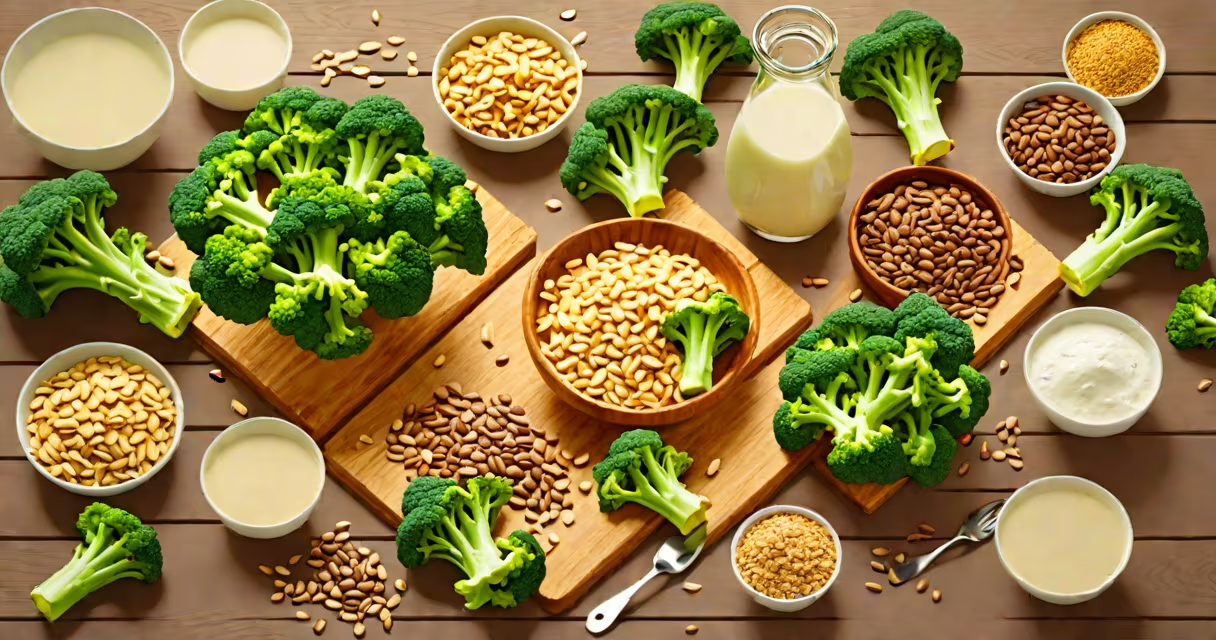
Foods good for the colon are those rich in fiber, polyphenols, and beneficial microbes that support gut microbiome balance, reduce inflammation, and promote regular bowel movements. A diet focused on whole plant foods, fermented products, and healthy fats lowers the risk of colorectal conditions including polyps and cancer.
The colon, or large intestine, processes waste and absorbs water and electrolytes. Its function depends heavily on microbial activity and consistent transit time. Diets high in processed foods, red meat, and added sugars disrupt this balance. In contrast, evidence shows that plant-based diets improve colonic health by increasing stool bulk and reducing exposure to potential carcinogens.
A 2021 study published in Gut found that individuals consuming more than 30 grams of dietary fiber daily had a 20% lower risk of developing colorectal adenomas compared to those consuming less than 15 grams. The American Institute for Cancer Research confirms that high-fiber intake correlates with reduced incidence of colorectal cancer.
Fiber slows digestion, allowing more time for nutrient absorption and bacterial fermentation. Fermentation produces short-chain fatty acids like butyrate, which nourish colon cells and regulate immune responses. Butyrate has been shown to inhibit tumor growth in animal models and is linked to reduced DNA damage in human colonic epithelium.
Cruciferous vegetables such as broccoli, kale, and Brussels sprouts contain glucosinolates. When chewed or chopped, these compounds break down into isothiocyanates, which have demonstrated anti-cancer properties in lab studies. A 2018 analysis in Nutrition and Cancer reported that higher intake of cruciferous vegetables was associated with a 16% reduction in colorectal cancer risk.
Probiotic-rich foods like plain yogurt, kefir, sauerkraut, and kimchi introduce live microorganisms that improve gut barrier integrity. These microbes compete with pathogenic strains and modulate inflammation through cytokine signaling. A 2020 randomized controlled trial showed that daily consumption of fermented dairy improved stool frequency and reduced intestinal permeability in adults with mild constipation.
Not all high-fiber foods offer equal benefit. The following categories deliver targeted advantages:
| Foods | Key Nutrients | Colon Benefit |
|---|---|---|
| Whole grains (oats, brown rice, quinoa) | Soluble and insoluble fiber, resistant starch | Increases stool weight, feeds beneficial bacteria |
| Cruciferous vegetables (broccoli, cauliflower) | Glucosinolates, vitamin K, folate | Induces detoxifying enzymes, reduces oxidative stress |
| Legumes (lentils, chickpeas, black beans) | Resistant starch, protein, folate | Boosts butyrate production, supports mucosal lining |
| Fermented foods (yogurt, kefir, sauerkraut) | Live cultures (Lactobacillus, Bifidobacterium) | Improves gut barrier function, reduces inflammation |
| Flaxseeds and chia seeds | Alpha-linolenic acid (ALA), mucilage fiber | Reduces transit time, soothes irritated mucosa |
One common mistake is assuming all fiber sources are equivalent. Soluble fiber (found in oats and legumes) dissolves in water and forms a gel that slows digestion. Insoluble fiber (in wheat bran and vegetables) adds bulk and speeds transit. Both types are necessary for optimal colon function. Consuming only one type may lead to bloating or irregularity.
Many people believe that colon cleanses or detox supplements are essential for colon health. This is false. The colon naturally eliminates waste through peristalsis and microbial action. There is no scientific evidence that commercial colon cleanses improve long-term outcomes. In fact, they can disrupt electrolyte balance and harm the gut microbiome.
Another misconception is that high-protein diets protect the colon. While lean protein is part of a balanced diet, excessive red and processed meats increase colorectal cancer risk. The World Health Organization classifies processed meat as a Group 1 carcinogen and red meat as Group 2A (probably carcinogenic). Limiting intake to under 50 grams per day is recommended.
I once observed a patient who avoided all fiber due to fear of bloating. After months of low-fiber eating, he developed chronic constipation and elevated calprotectin levels-a marker of intestinal inflammation. Once reintroduced to gradual fiber increases via cooked lentils and ground flaxseed, his symptoms resolved within six weeks. This illustrates that fiber intolerance often stems from sudden changes, not inherent danger.
Consider a sample day centered around foods good for colon health:
This meal plan provides approximately 45 grams of fiber, 2.5 grams of omega-3s, and multiple probiotic strains. It aligns with guidelines from the Academy of Nutrition and Dietetics and the American Cancer Society.
When selecting foods good for colon health, prioritize variety, whole ingredients, and minimal processing. Avoid artificial sweeteners like sucralose, which have been linked to altered gut microbiota in clinical trials. Focus on seasonal produce and traditional preparations like fermenting cabbage or soaking legumes overnight to reduce phytates.
Understanding what food is good for colon involves recognizing that nutrition is not about single foods but patterns. Consistent intake of diverse plant-based foods, fermented products, and healthy fats creates a resilient environment for the colon to thrive. The goal is not perfection, but sustained balance.