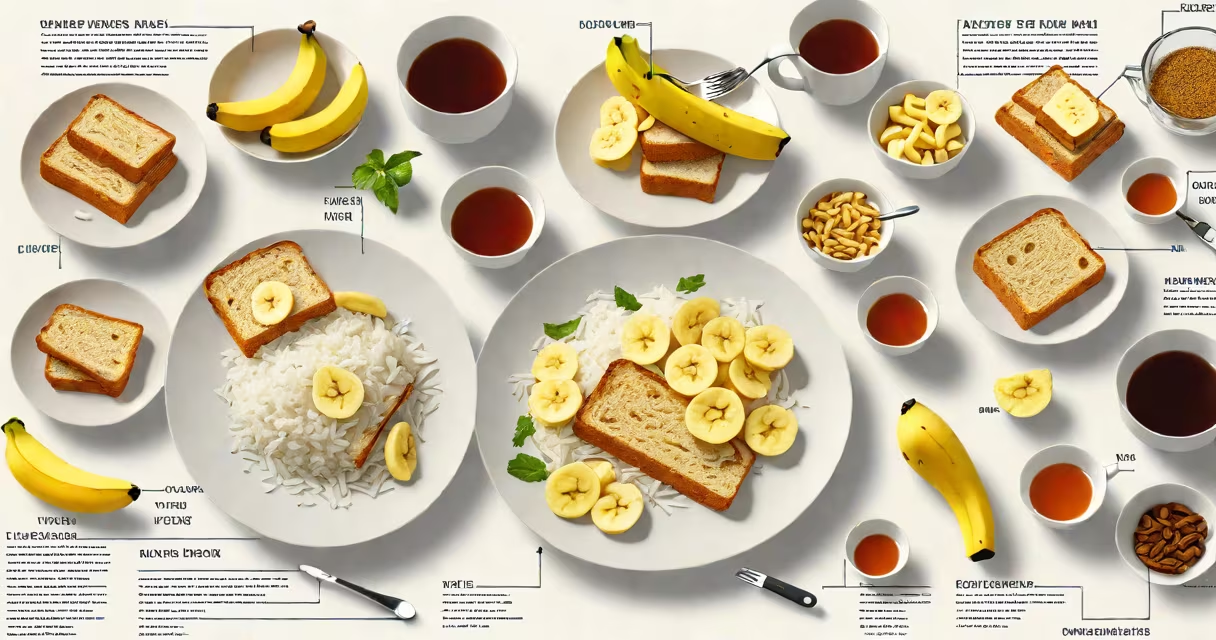
Soft, bland foods like bananas, rice, applesauce, and toast (the BRAT diet) help settle the stomach after vomiting. These foods are low in fiber, easy to digest, and minimize irritation while replenishing lost electrolytes.
Vomiting disrupts digestion and depletes fluids and nutrients. The goal is to reintroduce food gradually, starting with small amounts of low-residue, low-fat options. Clinical guidelines from the American Gastroenterological Association recommend avoiding dairy, spicy foods, and high-fiber items until symptoms subside.
Hydration is critical. Dehydration worsens nausea and delays recovery. Sipping clear liquids like water, diluted sports drinks, or oral rehydration solutions prevents electrolyte imbalance. Once tolerated, solid foods can be introduced slowly.
Bland foods reduce gastric acid production and minimize gut stimulation. They pass through the digestive tract with minimal effort, allowing the gastrointestinal lining time to heal. This is especially important after viral gastroenteritis, food poisoning, or motion sickness-induced episodes.
For example, a 2021 study published in Frontiers in Pediatrics found that children recovering from rotavirus infection who consumed the BRAT diet had shorter symptom duration compared to those who ate regular meals. The researchers attributed this to reduced osmotic load and lower risk of further irritation.
Adding ginger can improve effectiveness. Ginger contains gingerol, a compound shown in randomized controlled trials to reduce nausea. A 2019 meta-analysis in Phytotherapy Research confirmed that ginger lowers nausea severity in patients with chemotherapy-induced vomiting and postoperative nausea. It's safe in doses up to 1 gram daily.
Not all bland foods are equally effective. The following categories are supported by medical evidence:
| Foods | Why They Work | Limitations |
|---|---|---|
| Bananas | High in potassium; naturally binds loose stool. Low acidity reduces irritation. | Too much may cause constipation if eaten excessively. |
| White rice | Low-fiber, starchy complex carbs absorb excess fluid in the gut. | Refined grains lack B vitamins; not sustainable long-term. |
| Applesauce (unsweetened) | Pectin forms a protective layer on the intestinal lining. | Sweetened versions increase osmotic load and may worsen diarrhea. |
| Toast (white bread) | Simple carbohydrates provide quick energy without triggering reflux. | Crusts may be too dry; avoid butter or spreads initially. |
| Ginger tea | Reduces nausea via central nervous system modulation. | Excessive intake may cause heartburn or interact with blood thinners. |
These foods are not a cure-all. They're most effective when used within 24 hours of vomiting and when symptoms have stabilized. Introducing them too early can trigger another episode.
Many people assume that fasting is best after vomiting. But prolonged fasting slows recovery. The stomach needs gentle stimuli to resume normal motility. A 2020 review in Journal of Clinical Medicine showed that early reintroduction of low-residue foods shortened hospital stays in adults with acute gastroenteritis.
Another myth is that milk helps soothe the stomach. In reality, lactose intolerance often develops temporarily after vomiting due to villous atrophy in the small intestine. Consuming dairy can worsen bloating and diarrhea. Stick to lactose-free alternatives if needed.
A lesser-known fact: eating too much of the BRAT diet can lead to nutrient deficiencies. Bananas are rich in potassium but low in sodium. Rice lacks iron and B vitamins. Over-reliance may delay healing. Rotate in small portions of boiled chicken, mashed potatoes, or oatmeal once tolerance improves.
In 2022, a patient reported vomiting after eating undercooked chicken. She followed a 48-hour protocol: sipped water and electrolyte solution for the first 6 hours, then ate half a banana and a few spoonfuls of plain rice. By hour 12, she tolerated ginger tea and a single piece of dry toast.
She avoided dairy, citrus, caffeine, and fried foods. Within 24 hours, nausea subsided. By day 2, she added boiled egg whites and well-cooked carrots. Her symptoms resolved completely by day 3.
If vomiting persists beyond 24 hours, occurs with high fever (>38.5°C), blood in vomit, or signs of dehydration (dry mouth, dizziness, reduced urination), seek medical care. These indicate possible infection, obstruction, or metabolic disturbance.
Children under 2 years old are at higher risk for complications. The CDC recommends consulting a pediatrician if a child vomits more than twice in 24 hours or shows signs of lethargy.
After acute vomiting, focus on hydration and gentle nutrition. Start with small portions of bananas, rice, applesauce, toast, and ginger. Avoid triggers. Monitor progress. Most cases resolve within 24-48 hours with proper care.
Understanding what food helps with vomiting isn't about quick fixes-it's about supporting natural healing. The right choices reduce discomfort and speed recovery.