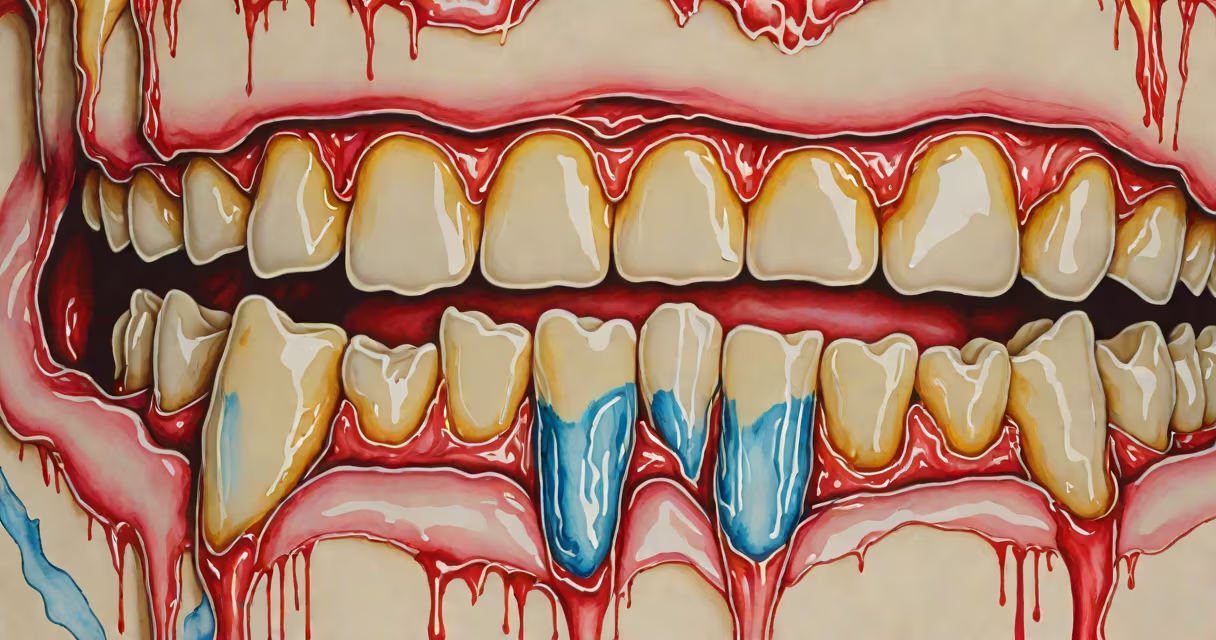
Gum swelling means your gums are inflamed, usually due to bacterial plaque accumulation or infection. It's a visible sign of irritation or damage to the soft tissues around your teeth. Left untreated, it can progress to periodontitis and tooth loss.
Swollen gums appear puffy, red, or tender. They may bleed during brushing or flossing. The condition often results from poor oral hygiene, but it can also stem from systemic issues like hormonal changes or certain medications.
According to the American Dental Association (ADA), nearly half of adults aged 30 and older have some form of periodontal disease, which includes gum swelling as a primary symptom. Early detection through routine checkups reduces long-term complications.
When plaque-a sticky film of bacteria-builds up along the gumline, it triggers an immune response. White blood cells rush to the area to fight off invaders, releasing chemicals that cause swelling and pain. This process is known as gingivitis.
If plaque isn't removed, it hardens into tartar, which cannot be removed by brushing. Tartar traps more bacteria and pushes the gums away from the teeth, forming pockets. These pockets trap food and debris, worsening infection and leading to deeper tissue damage.
A 2021 study published in the Journal of Clinical Periodontology found that individuals with persistent gum swelling had higher levels of inflammatory markers like interleukin-6 in their gingival crevicular fluid compared to those with healthy gums.
Gum swelling varies in severity and cause. Common types include:
| Type | Common Cause | Typical Symptoms |
|---|---|---|
| Localized swelling | Cavity near gumline, abscess, trauma | Swelling on one tooth, possible pus, throbbing pain |
| Generalized swelling | Plaque buildup, poor brushing habits | Red, puffy gums all around, bleeding when brushing |
| Recurrent swelling | Untreated gingivitis, hormonal shifts | Periodic flare-ups, especially during pregnancy or menstruation |
Some people experience swelling without pain-a red flag. A 2019 survey by the National Institute of Dental and Craniofacial Research found that 38% of patients with early-stage periodontitis reported no discomfort despite visible gum recession and swelling.
Medications such as phenytoin (used for seizures), calcium channel blockers (for high blood pressure), and some immunosuppressants can cause drug-induced gingival hyperplasia-swelling that results from excessive gum tissue growth rather than infection.
Many assume gum swelling always causes pain. That's false. Pain is not a reliable indicator of gum health. Swelling can occur silently, especially in smokers, whose reduced blood flow masks early warning signs.
Another misconception is that brushing harder fixes swollen gums. Aggressive brushing damages the enamel and wears down the gumline, worsening recession. The ADA recommends using a soft-bristled brush and gentle circular motions.
I once observed a patient who ignored mild gum swelling for six months. By the time they visited, the swelling had progressed to a deep pocket between the tooth and gum, requiring scaling and root planing. The tooth was saved-but only because intervention came before bone loss.
Any visible swelling lasting more than a week warrants evaluation. If swelling is accompanied by pus, fever, or loose teeth, seek care within 48 hours. Delaying treatment increases the risk of irreversible damage.
Prevention starts with daily brushing (twice a day), flossing (once a day), and biannual dental visits. Using an antibacterial mouthwash like chlorhexidine can reduce plaque by up to 40% in clinical trials, according to a 2020 review in the Cochrane Database of Systematic Reviews.
Early gum swelling is reversible with proper care. But once bone support is lost, treatment becomes surgical and less effective. Recognizing swelling early is critical to preserving your smile.