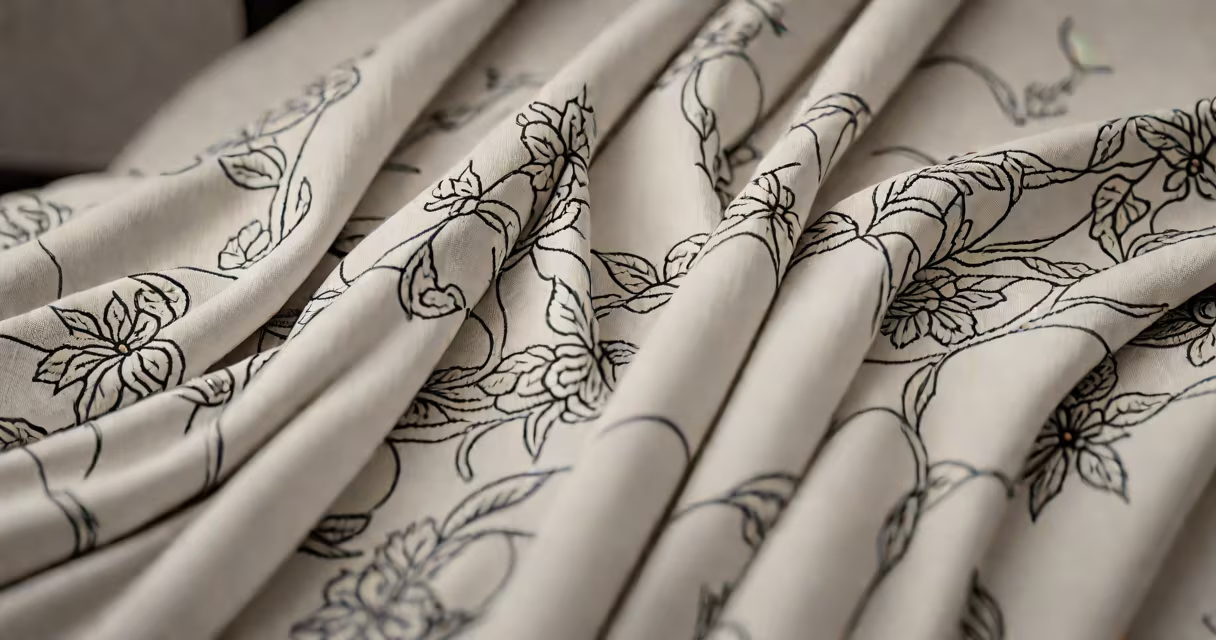
A coverlet is a flat, decorative bed covering usually made from woven fabric such as cotton, linen, or silk. It lies on top of a mattress or duvet and serves both aesthetic and light insulating purposes. Unlike quilts or blankets, coverlets are not filled with batting and are typically lightweight.
Coverlets originated in Europe during the 17th century as part of formal bedroom furnishings. They were often hand-embroidered or woven with complex patterns using wool or silk. Today, they remain popular in Western homes, especially in bedrooms styled with traditional or farmhouse aesthetics.
The term "coverlet" derives from Middle English "couverlet," meaning a small cover. It evolved from earlier bed linens used to protect mattresses and later became a decorative element. Modern coverlets are sold in standard sizes-twin, full, queen, and king-to fit common mattress dimensions.
Coverlets function as the top layer of bedding. They don't provide significant warmth but improve visual appeal. Most are designed to be placed over a duvet or comforter, though some people use them directly on the mattress for a layered look.
Common materials include cotton, polyester blends, rayon, and linen. Cotton coverlets offer breathability and durability. Linen versions are ideal for warm climates due to their moisture-wicking properties. Polyester blends resist wrinkles and fading, making them low-maintenance choices.
Construction varies. Some coverlets are single-layer woven fabric with minimal stitching. Others feature a border or pattern stitched along the edges. The weave type influences texture and drape-twill weaves create a diagonal ribbing, while satin weaves produce a glossy surface.
There are several distinct styles based on design, material, and intended use. The following table outlines major categories:
| Type | Material | Use Case | Example |
|---|---|---|---|
| Traditional | Cotton, wool | Formal or vintage rooms | Floral embroidery on a cream cotton base |
| Modern | Polyester, rayon | Contemporary or minimalist decor | Geometric black-and-white print |
| Seasonal | Linen, cotton | Summer or spring use | Lightweight striped coverlet in pastel blue |
| Artistic | Silk, cotton blend | Statement piece in a bedroom | Hand-painted abstract design |
Some coverlets are marketed as "bed throws" or "bed runners." These are smaller, often used to drape over the foot of the bed or as a centerpiece on a guest bed. They differ from full-sized coverlets in size and function.
Coverlets are frequently mistaken for quilts, duvets, and bedspreads. A quilt is a three-layered textile with a top fabric, batting insulation, and backing, stitched together in patterns. Quilts are heavier and warmer than coverlets and are often handmade.
Duvets are filled with down, synthetic fibers, or feathers. They require a removable cover (duvet cover) to protect them. A coverlet sits *on top* of a duvet, not inside it. Using a coverlet over a duvet adds color and texture without altering the duvet's warmth.
Bedspreads are larger than coverlets and hang down over the sides of the bed. They are often used in formal settings and may include ruffles or tassels. Unlike coverlets, bedspreads are not meant to be tucked under the mattress.
One non-obvious difference: coverlets are rarely machine washed. According to the The Crafty, many cotton coverlets lose their shape or fade when exposed to high heat. Hand washing or dry cleaning is recommended for longevity.
Consider a guest room with a queen-size bed and neutral gray walls. The homeowner wants a bedding set that feels inviting but doesn't require daily maintenance. They choose a 100% cotton coverlet measuring 90 inches wide by 100 inches long-standard for queen beds.
The coverlet features a subtle herringbone weave in soft beige and ivory. It's machine washable on cold, but the care label advises air drying. The homeowner places it over a white duvet, adding a pair of matching throw pillows. The result is a clean, layered look that feels fresh and welcoming.
This setup demonstrates how a coverlet functions as a finishing touch. It enhances the room's appearance without overwhelming the space. The choice of cotton ensures breathability, which is ideal for guests who may prefer cooler sleeping conditions.
I once purchased a lace-trimmed coverlet for my bedroom during a fall sale. It was labeled "machine washable." After one cycle, the edges frayed, and the pattern blurred. I learned then that even labeled items can degrade if not handled properly. Since then, I've checked care instructions before buying and avoid placing coverlets in hot dryers.
For durable results, select coverlets with reinforced edges or those made from tightly woven fabrics. Avoid overly ornate designs if you plan to wash regularly. A well-made coverlet lasts five years or more with proper care.
When asked "what does coverlet mean," the answer is clear: it refers to a lightweight, decorative bed covering made from woven fabric. It is not a blanket, not a quilt, and not a duvet cover. It is a standalone textile layer used primarily for visual appeal and minor temperature regulation.
Understanding the role of a coverlet prevents confusion in home decor shopping. It is not meant to replace a duvet or comforter but to complement them. Knowing this helps you make informed choices about materials, sizing, and care.