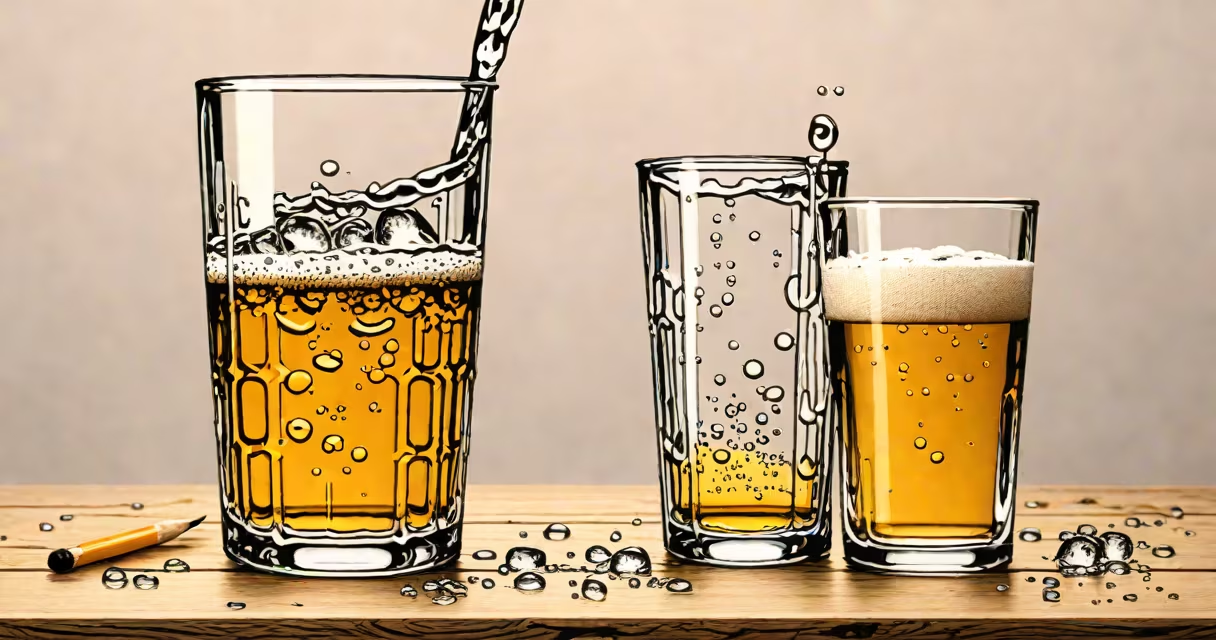
5 alcohol by volume (ABV) means a beverage contains 5% pure ethanol by volume. This measurement reflects the percentage of alcohol in a drink relative to its total liquid volume. For example, a 12-ounce beer with 5% ABV contains 0.6 ounces of pure alcohol.
Alcohol by volume is the standard metric used globally to indicate the strength of alcoholic beverages. It's calculated by dividing the volume of pure ethanol by the total volume of the solution and multiplying by 100. The higher the ABV, the more potent the drink. A 5% ABV beverage delivers moderate intoxication effects, typically producing mild euphoria and reduced inhibition after consumption.
Regulatory bodies such as the U.S. Alcohol and Tobacco Tax and Trade Bureau (TTB) require ABV labeling on all packaged alcoholic products. The TTB mandates that actual ABV must fall within ±0.5% of the stated value for products under 14% ABV. This ensures consumers receive accurate information about drink strength.
When a drink is labeled 5% ABV, it means that for every 100 milliliters of liquid, 5 milliliters are pure ethanol. Ethanol is produced through fermentation, where yeast converts sugars in grains, fruits, or other fermentable materials into alcohol and carbon dioxide. The final ABV depends on the initial sugar concentration and fermentation efficiency.
For context, a 12-ounce (355 mL) beer with 5% ABV contains approximately 14 grams of pure alcohol. This amount is sufficient to raise blood alcohol concentration (BAC) to around 0.02% in a 150-pound adult after one drink, assuming no food intake. BAC increases with each additional drink consumed over time.
Consumers often misjudge drink strength based on taste or appearance. A light-colored lager may taste mild but still carry 5% ABV. Conversely, a dark ale with similar ABV may feel heavier due to added sugars and flavor compounds. Always rely on ABV, not perceived intensity, to assess potency.
Many popular alcoholic drinks fall near the 5% ABV threshold. This level balances flavor, affordability, and accessibility. Below is a comparison of common 5% ABV beverages:
| Beverage Type | Examples | Typical ABV Range |
|---|---|---|
| Standard Beer | Corona, Budweiser, Heineken | 4.5% - 5.5% |
| Hard Seltzer | White Claw, Spindrift, Bubly | 5.0% - 5.5% |
| Wine Coolers | Mike's Hard Lemonade, Smirnoff Ice | 4.5% - 5.0% |
These beverages are widely available in supermarkets and bars. Their 5% ABV makes them suitable for casual drinking, social events, and responsible consumption. However, they still contribute to daily alcohol intake limits set by health organizations.
The Centers for Disease Control and Prevention (CDC) defines moderate drinking as up to one drink per day for women and up to two drinks per day for men. A 5% ABV beer counts as one standard drink. Consuming more than this increases risks of liver disease, high blood pressure, and certain cancers.
One common misconception is that 5% ABV is "low" and therefore safe. While it's less potent than spirits (typically 40% ABV), regular consumption of multiple 5% ABV drinks leads to cumulative alcohol exposure. Over time, even moderate intake can impair cognitive function and disrupt sleep patterns.
As someone who once tracked my own drinking during a month-long experiment, I noticed that consuming three 12-ounce beers at 5% ABV over two hours raised my BAC to 0.06%, well above the legal driving limit in most U.S. states. That experience clarified how quickly ABV adds up-even at seemingly low levels.
People often confuse ABV with alcohol by weight (ABW), which measures ethanol mass rather than volume. ABW is used in scientific contexts but not on consumer labels. To convert ABV to ABW, multiply ABV by 0.79 (ethanol's density relative to water). So 5% ABV equals roughly 3.95% ABW.
Another frequent error is equating ABV with calorie count. A 12-ounce beer at 5% ABV averages 150 calories, primarily from carbohydrates and alcohol. However, ABV does not directly determine calories-carbohydrate content and brewing method play larger roles. A 5% ABV stout may have more calories than a 5% ABV lager due to residual sugars.
Some assume that all 5% ABV drinks are equally intoxicating. This is false. Intoxication depends on body weight, gender, metabolism, and whether food was eaten. A 150-pound woman drinking 5% ABV beer on an empty stomach will reach higher BAC levels faster than a 200-pound man who eats before drinking.
Knowing what 5 alcohol by volume means allows informed choices about drinking habits, health outcomes, and responsible consumption. It's not just a number-it's a direct indicator of how much ethanol your body will process per sip.