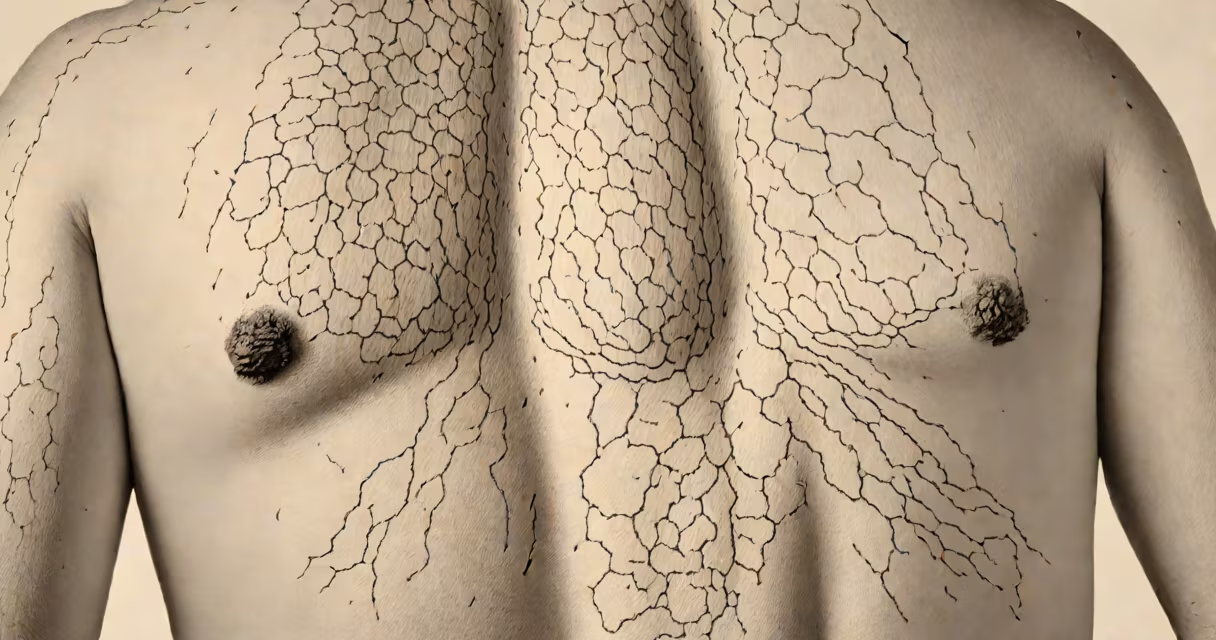
Shingles, caused by the reactivation of the varicella-zoster virus (the same virus that causes chickenpox), appears as a painful, blistering rash that typically develops in a stripe or band on one side of the body. The rash usually follows a specific nerve pathway, known as a dermatome, and may begin with burning, tingling, or itching before blisters form.
The rash often starts as small red spots that quickly evolve into fluid-filled blisters. These blisters cluster together and may break open, ooze, then crust over within 7 to 10 days. The affected area can remain sensitive or painful even after the blisters heal-a condition called postherpetic neuralgia. The skin may appear swollen, tender, or discolored during the acute phase.
Shingles most commonly affects the torso, especially around the waistline or chest, but can occur on the face, neck, or limbs. When it appears near the eye, it requires immediate medical attention due to risk of vision loss. The rash rarely crosses the midline of the body, which helps distinguish it from other skin conditions.
After a person recovers from chickenpox, the virus remains dormant in nerve tissue. Years later, it can reactivate due to weakened immunity, stress, illness, or aging. Reactivation leads to inflammation and damage along a sensory nerve, causing the characteristic rash to emerge in the corresponding dermatome.
Before the rash appears, many people report localized pain, numbness, or unusual sensations-sometimes days before any visible skin changes. This early phase can mimic muscle strain or nerve compression, leading to delayed diagnosis. Once the rash emerges, it progresses through stages: red patches → small blisters → open sores → crusting → healing.
A study published in JAMA Dermatology found that 20% of patients experienced persistent pain lasting beyond three months after the rash resolved, highlighting the importance of early antiviral treatment. Antivirals like acyclovir, valacyclovir, or famciclovir reduce viral replication and lower the risk of complications when started within 72 hours of rash onset.
Shingles is not contagious in the way colds or flu are. You cannot "catch" shingles from someone who has it. However, a person with active shingles can transmit the varicella-zoster virus to someone who has never had chickenpox, potentially causing chickenpox in that individual.
Many confuse shingles with insect bites, contact dermatitis, or fungal infections. Unlike those conditions, shingles typically presents unilaterally-on only one side-and follows a nerve distribution. A rash that crosses the midline, appears symmetrically, or lacks a clear border is unlikely to be shingles.
Another misconception is that shingles only occurs in older adults. While incidence rises sharply after age 50-about 1 million cases annually in the U.S.-young adults and even children can develop it, particularly if immunocompromised. The CDC recommends the recombinant zoster vaccine (Shingrix) for adults aged 50 and older, regardless of prior chickenpox history.
| Feature | Shingles | Other Conditions |
|---|---|---|
| Rash Pattern | Unilateral, follows a dermatomal band (e.g., left side of chest) | Symmetrical or widespread (e.g., poison ivy, psoriasis) |
| Blisters | Grouped, fluid-filled, appear in clusters | Single or scattered (e.g., herpes simplex, insect bites) |
| Pain Type | Burning, sharp, shooting; often precedes rash | Itching (allergies), dull ache (muscle strain) |
| Healing Time | 2-4 weeks; crusting begins around day 7 | Varies: fungal infections may persist longer |
In 2021, a 62-year-old woman reported a burning sensation on her right upper back that worsened over two days. She initially thought it was a pulled muscle. By day three, she noticed small red bumps forming in a strip that followed her rib cage. Within 48 hours, the bumps turned into tiny blisters filled with clear fluid. The area was extremely sensitive to touch and clothing.
She sought care within 48 hours of rash onset. A dermatologist confirmed shingles based on the unilateral, dermatomal presentation and ordered valacyclovir. Her symptoms improved within five days, and the rash fully healed in 18 days. She developed no postherpetic neuralgia, likely due to timely treatment.
This case illustrates how early symptoms can be misattributed to musculoskeletal issues. The key diagnostic clue was the location and pattern-not just the appearance.
While both shingles and herpes simplex virus (HSV) cause blistering rashes, HSV typically affects mucosal areas (mouth, genitals) and recurs frequently. Shingles, however, is rare in recurrence-most people have only one episode. Recurrence rates are below 1% per year, according to the Centers for Disease Control and Prevention.
Another critical difference: shingles almost always involves nerve pain. The pain is often described as deep, throbbing, or electric-like. It's not just skin discomfort-it's neuropathic. This distinguishes it from conditions like folliculitis or impetigo, which cause surface-level irritation without nerve involvement.
One non-obvious fact: shingles can affect internal organs in rare cases. Postherpetic neuralgia can lead to chronic pain syndromes, and in immunocompromised individuals, the virus may spread to the brain or lungs. A 2020 study in Neurology linked shingles to a 30% increased risk of stroke within the first year after infection, underscoring the systemic impact of the virus.
See a healthcare provider if you notice a new rash with burning pain, especially if it's on the face, forehead, or near the eye. Early treatment reduces the risk of long-term nerve damage. Also seek care if blisters become infected (pus, increasing redness), if fever or headache accompanies the rash, or if the rash spreads rapidly.
For those with weakened immune systems-due to cancer, HIV, or organ transplants-the risk of severe complications is higher. Antiviral therapy is recommended within 72 hours of symptom onset in all cases.
Understanding what shingles look and feel like helps prevent delays in treatment. Recognizing the early warning signs-burning pain, tingling, or numbness-can lead to faster diagnosis and better outcomes. If you're unsure, consult a provider rather than waiting for blisters to appear.