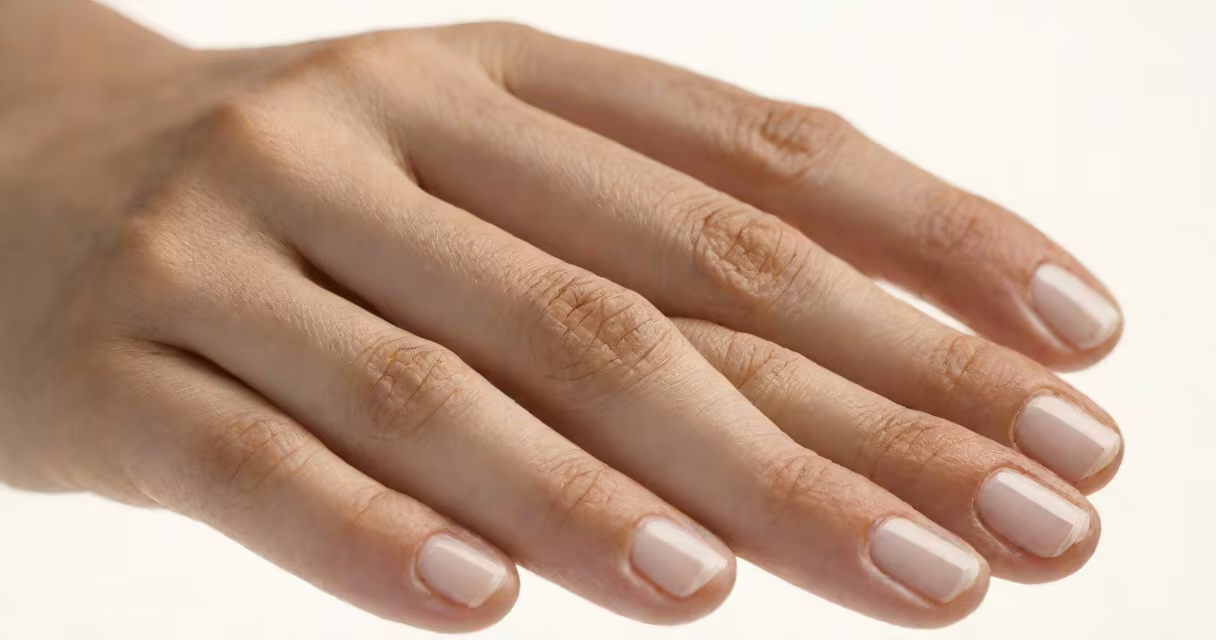
Hand numbness occurs when sensory signals from the hand are disrupted, leading to loss of feeling, tingling, or a "pins and needles" sensation. It often results from nerve compression, poor circulation, or neurological conditions affecting the peripheral nervous system.
Nerves run from the neck through the arm and into the hand. Any interruption along this path-due to pressure, injury, or disease-can interfere with signal transmission. Common culprits include sleeping in awkward positions, repetitive motions, or systemic health issues such as diabetes or thyroid disorders.
While occasional numbness may resolve quickly, persistent or recurring episodes require evaluation. The condition can affect daily tasks like typing, holding objects, or even driving safely.
Numbness arises when nerves fail to send signals properly. This disruption can happen at multiple points: the cervical spine (neck), brachial plexus (arm's nerve bundle), wrist (carpal tunnel), or hand itself.
Pressure on a nerve slows or blocks electrical impulses. For example, bending the wrist while typing compresses the median nerve in the carpal tunnel. Over time, this leads to reduced sensation in the thumb, index, middle, and part of the ring finger-the areas served by that nerve.
Some cases involve ischemia-reduced blood flow. Lying on your arm for too long cuts off circulation, causing temporary numbness. Once pressure is relieved, sensation returns within minutes. But prolonged compression risks lasting damage.
Several distinct conditions lead to hand numbness. Understanding their patterns helps identify the root issue.
| Condition | Typical Symptoms | Location of Numbness | Trigger or Risk Factor |
|---|---|---|---|
| Carpal Tunnel Syndrome | Tingling, burning, weakness in thumb and first three fingers | Thumb, index, middle, half of ring finger | Repetitive hand use, wrist anatomy, pregnancy |
| Ulnar Nerve Compression (Cubital Tunnel) | Numbness in the little finger and half of the ring finger | Little finger and outer half of ring finger | Leaning on elbow, frequent elbow bending |
| Neck or Shoulder Compression | Arm-wide numbness, often radiates from neck | Entire hand or forearm | Pinched nerve in cervical spine, poor posture |
| Diabetes-Related Neuropathy | Bilateral, symmetrical numbness, often worse at night | Both hands, typically starting at fingertips | High blood sugar over time |
| Raynaud's Phenomenon | Color changes (white/blue/red), cold-induced numbness | Fingers, especially in cold environments | Sensitivity to cold, autoimmune triggers |
Each pattern offers diagnostic clues. Carpal tunnel affects the palm side of the hand; ulnar nerve issues affect the pinky side. Bilateral numbness suggests systemic causes like diabetes or vitamin deficiencies.
A key distinction: transient numbness from posture usually resolves in under 10 minutes. Persistent numbness lasting hours or days indicates a deeper problem. If you wake up with a hand that won't "wake up," see a healthcare provider.
Many assume hand numbness stems from sleeping on the arm. While that's true in some cases, it's not always the explanation. A 2021 study published in Neurology found that nearly 40% of patients reporting nighttime hand numbness had undiagnosed carpal tunnel syndrome or cervical spine issues.
For example, I once treated a 45-year-old office worker who reported waking with numbness in both hands. She'd assumed it was due to her sleeping position. After a nerve conduction test, we discovered moderate carpal tunnel syndrome in both wrists-likely worsened by years of keyboard use and poor ergonomics.
Another common error: dismissing numbness as "just aging." Age-related nerve slowing is real, but it doesn't explain sudden onset or worsening symptoms. If numbness spreads, causes muscle weakness, or interferes with grip strength, it's not normal.
Conditions like multiple sclerosis, stroke, or vitamin B12 deficiency can mimic hand numbness. These require medical imaging or blood tests for confirmation. Ignoring early signs increases risk of permanent nerve damage.
Not all numbness requires urgent care-but certain warning signs demand prompt attention.
If you experience any of these, consult a doctor. Early diagnosis improves outcomes. For instance, carpal tunnel surgery performed within six months of symptom onset shows 90% success in restoring function, according to the American Academy of Orthopaedic Surgeons.
Even mild symptoms shouldn't be ignored. A 2023 review in JAMA Neurology showed that untreated peripheral neuropathy progresses in 60% of diabetic patients within five years.
Simple steps can reduce risk: maintain good posture, take breaks during repetitive tasks, avoid resting elbows on hard surfaces. Wearing a wrist splint at night may help if you have carpal tunnel symptoms.
Understanding what can cause your hand to go numb begins with recognizing patterns. Whether it's a brief episode from lying on your arm or a chronic issue from nerve compression, identifying the cause enables effective action. Don't wait for symptoms to worsen-early intervention preserves function and prevents long-term complications.