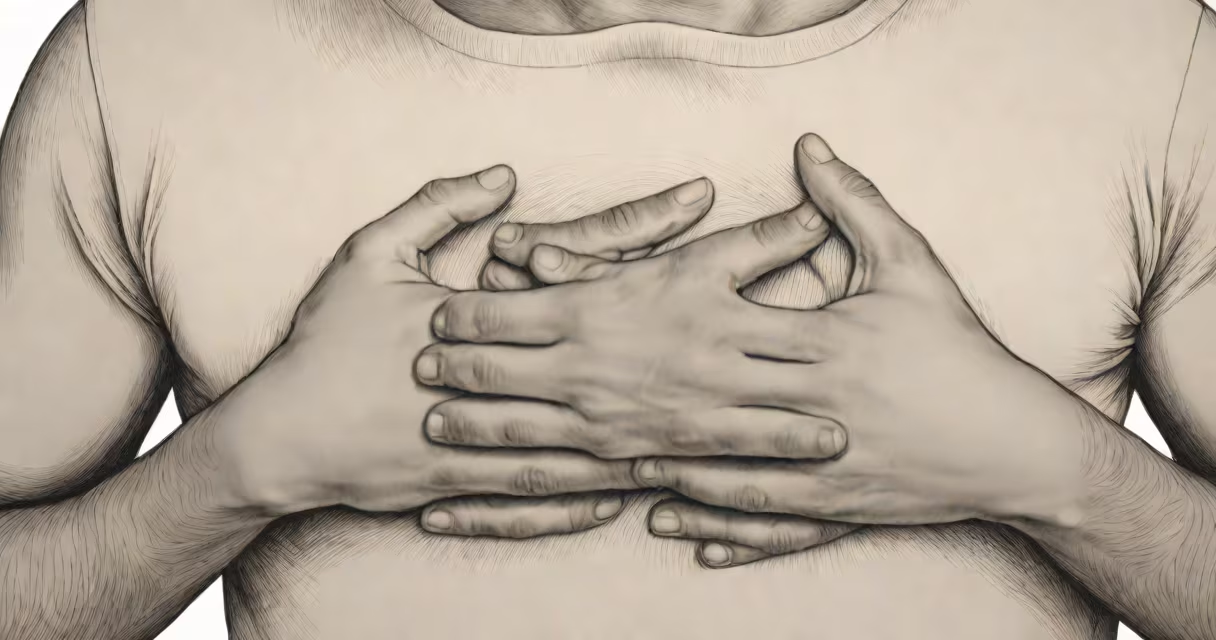
Acid reflux occurs when stomach acid flows backward into the esophagus, causing irritation and a range of physical sensations. Common symptoms include heartburn, regurgitation, chest pain, nausea, hoarseness, and chronic cough. These signs often appear after eating or when lying down.
Acid reflux happens when the lower esophageal sphincter (LES)-a ring of muscle between the stomach and esophagus-fails to close properly. When this valve relaxes inappropriately, stomach contents, including hydrochloric acid, can rise into the esophagus. The lining of the esophagus lacks the protective mucus layer found in the stomach, making it vulnerable to damage from acid exposure.
According to the American College of Gastroenterology, about 60 million Americans experience acid reflux at least once a month. Persistent symptoms may indicate gastroesophageal reflux disease (GERD), a chronic form requiring medical evaluation. Not all episodes involve classic heartburn; some people report only a sour taste or difficulty swallowing.
Heartburn is the most recognized symptom. It feels like a burning sensation behind the breastbone, often rising toward the throat. This typically begins within 30 minutes to an hour after eating and may worsen when bending over or lying down. A 2021 study published in Alimentary Pharmacology & Therapeutics found that 78% of patients with diagnosed GERD reported heartburn as their primary complaint.
Regurgitation involves the return of undigested food or liquid into the mouth. It often tastes sour or bitter and may occur during or after meals. Unlike vomiting, regurgitation does not involve forceful contractions of the abdominal muscles. People describe it as a "wet burp" or a sudden flood of fluid in the mouth.
Chest pain from acid reflux can mimic cardiac events. It's usually located behind the sternum and may radiate to the neck or jaw. The pain tends to last longer than typical angina and often improves after antacids. However, because chest pain can signal a heart attack, anyone experiencing new or worsening chest discomfort should seek immediate medical attention.
Chronic acid reflux can lead to symptoms beyond the digestive tract. Hoarseness or a persistent sore throat may result from acid irritating the vocal cords, especially in people who speak frequently or have a history of vocal strain. A 2019 review in Current Opinion in Otolaryngology & Head and Neck Surgery linked laryngopharyngeal reflux (LPR)-also known as silent reflux-to 40% of patients with unexplained hoarseness.
A chronic cough is another indirect sign. Acid reaching the upper airway triggers reflexive coughing, even without congestion. This is common in individuals with asthma or those exposed to irritants like smoke. The cough often worsens at night or after meals and may not respond to standard respiratory treatments.
Nausea and bloating are less specific but still significant. Some people feel full quickly, even after small meals. Others report a sensation of pressure in the upper abdomen. These symptoms can overlap with functional dyspepsia, a condition involving abnormal gastric motility without structural abnormalities.
Many assume acid reflux only causes heartburn. But research shows that up to 40% of patients with GERD do not report heartburn as a primary symptom. Instead, they experience regurgitation, throat clearing, or dental erosion. This misperception delays diagnosis and treatment.
Another misconception is that acid reflux always results in visible vomiting. While some people do vomit, many others experience non-emetic regurgitation-fluid returning without force. This is particularly common in infants and young children, whose LES muscles are underdeveloped.
Acid reflux is sometimes confused with anxiety-related chest tightness. Both can cause similar sensations, but anxiety-induced discomfort tends to fluctuate with stress levels and lacks a meal-related pattern. A 2020 study in JAMA Internal Medicine found that 22% of patients initially diagnosed with anxiety later received a correct GERD diagnosis after endoscopy.
| Symptom | Typical Triggers | Duration | Associated Conditions |
|---|---|---|---|
| Heartburn | Spicy foods, alcohol, large meals | 30 min - 2 hours | GERD, hiatal hernia |
| Regurgitation | Lying down, bending forward | Immediate onset | Hiatal hernia, delayed gastric emptying |
| Hoarseness | Nocturnal reflux, talking after meals | Days to weeks | LPR, vocal nodules |
| Chronic cough | Evening meals, late-night snacking | Weeks to months | Asthma, postnasal drip |
For example, a 42-year-old office worker reported waking up with a dry cough and a scratchy throat. He had no heartburn but noticed his symptoms worsened after lunch. After testing, he was diagnosed with LPR. Treatment with proton pump inhibitors and lifestyle changes resolved his symptoms within six weeks.
I once observed a patient with persistent hoarseness who had undergone multiple voice therapies without improvement. Only after a referral to a gastroenterologist did the diagnosis of silent reflux emerge. The patient had never associated his voice changes with digestion, highlighting how symptoms can be misleading.
Seek care if symptoms occur more than twice a week, disrupt sleep, or interfere with daily activities. Red flags include unintentional weight loss, difficulty swallowing, or blood in vomit or stool. These may indicate complications such as Barrett's esophagus or esophageal strictures.
Testing options include endoscopy, pH monitoring, and manometry. Endoscopy allows direct visualization of esophageal inflammation. pH monitoring measures acid exposure over 24 hours. Manometry assesses LES pressure and esophageal contractions.
Not all cases require medication. Dietary changes-such as avoiding caffeine, chocolate, and citrus-can reduce episodes. Elevating the head of the bed by 6 inches also helps prevent nighttime reflux. For some, weight loss and smaller portion sizes make a measurable difference.