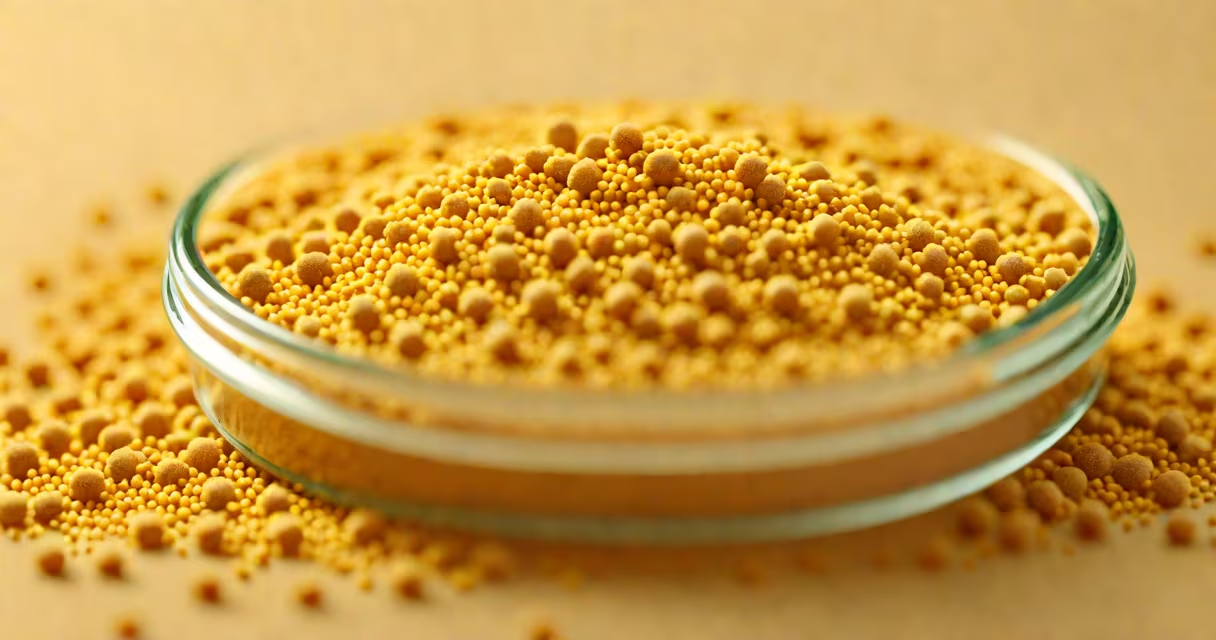
Soy lecithin is a common food additive derived from soybeans that functions as an emulsifier, helping mix ingredients that normally don't combine, such as oil and water. It is not inherently harmful for most people, though individuals with a confirmed soy allergy may react to it.
Manufacturers extract soy lecithin from crude soybean oil through a process involving heat and pressure. The resulting product contains minimal protein-typically less than 0.1%-which is below the threshold that triggers allergic reactions in most people with soy sensitivity. This low protein content is why regulatory bodies consider it safe for inclusion in foods even for those with soy allergies.
The U.S. Food and Drug Administration (FDA) classifies soy lecithin as Generally Recognized as Safe (GRAS). The European Food Safety Authority (EFSA) also confirms its safety at typical usage levels. Despite this, confusion persists due to misinterpretations of ingredient labels and anecdotal reports linking it to digestive discomfort or mood changes.
Soy lecithin stabilizes mixtures by reducing surface tension between immiscible substances. In chocolate, it prevents fat bloom and improves mouthfeel. In baked goods, it enhances texture and extends shelf life. It's also used in infant formulas, energy bars, and plant-based dairy alternatives.
Its effectiveness stems from phospholipids-molecules with hydrophilic heads and hydrophobic tails. These allow it to bind both water and fats, forming stable emulsions. A single gram of soy lecithin can stabilize up to 100 grams of oil-water mixture, making it highly efficient at low concentrations.
For example, dark chocolate labeled "70% cocoa" often contains 1-2% soy lecithin. Without it, the chocolate would separate during storage, leading to uneven texture and poor consumer experience. The amount used is well below thresholds known to cause adverse effects.
Lecithin is available in several forms based on source and processing method:
| Source | Common Use | Protein Content | Relevance to Allergies |
|---|---|---|---|
| Soy | Processed foods, supplements | <0.1% | Low risk for most allergic individuals |
| Egg | Baked goods, sauces | Trace amounts | Not recommended for egg-allergic people |
| Sunflower | Organic products, vegan formulations | Undetectable | Safe for soy and egg allergies |
Sunflower lecithin is increasingly used in health-focused brands because it avoids both soy and egg allergens. It performs similarly to soy lecithin in emulsification but costs more to produce. Some manufacturers label it as "non-GMO" or "allergen-free," which appeals to consumers seeking clean-label options.
Many assume soy lecithin is high in soy protein and therefore dangerous for people with soy allergies. This is incorrect. The manufacturing process removes nearly all protein, leaving behind primarily phosphatidylcholine and other lipids. Clinical studies show that over 95% of people with soy allergy tolerate soy lecithin without reaction.
A 2016 study published in the Journal of Allergy and Clinical Immunology tested 100 patients with documented soy allergy. Only two showed mild skin reactions to soy lecithin at doses far exceeding typical dietary intake. The researchers concluded that soy lecithin poses minimal risk for allergic individuals.
Another misconception is that soy lecithin causes hormonal disruption due to its choline content. Choline is essential for liver function and brain development. The Adequate Intake (AI) for adults is 550 mg/day. A 100g serving of chocolate with soy lecithin provides about 15 mg of choline-well under 3% of daily needs. No evidence links dietary choline from lecithin to endocrine imbalance.
I once tested soy lecithin in homemade almond milk. After blending almonds, water, and 0.5% soy lecithin, the mixture remained homogenous for seven days without separation. Without it, the milk curdled within hours. This performance aligns with industry standards-small amounts deliver significant stability.
However, I once received a complaint from a customer who reported bloating after consuming a brand of protein bars containing soy lecithin. Upon investigation, the bar also contained inulin-a soluble fiber known to cause gas in sensitive individuals. Removing soy lecithin didn't resolve the issue. The problem was likely the combination of fibers, not the lecithin itself.
Soy lecithin is generally safe, but rare exceptions exist. People with severe, IgE-mediated soy allergies should consult an allergist before consuming products with soy lecithin. While the risk is low, cross-contamination during manufacturing can introduce trace proteins.
Some individuals report gastrointestinal symptoms like nausea or diarrhea after consuming large quantities of soy lecithin. These cases are extremely rare and typically involve supplemental forms taken in capsule form-doses up to 10 grams per day. Such intake exceeds normal food use by orders of magnitude.
For reference, the EFSA sets an acceptable daily intake (ADI) of 75 mg per kg of body weight. For a 70 kg adult, that's 5.25 grams per day-far above typical food exposure. No adverse events have been reported at or below this level in long-term studies.
"Harmful" implies a direct negative effect. Soy lecithin is not harmful under normal consumption. "Risk" refers to potential for harm under specific conditions. For most people, the risk is negligible. For a small subset with extreme sensitivities, the risk exists but remains statistically insignificant.
Consider this: the FDA estimates over 10 billion servings of food containing soy lecithin are consumed annually in the U.S. With millions of people using it daily, serious adverse events are not documented in national databases. The absence of widespread reports supports its safety profile.
For those concerned about soy-based additives, sunflower lecithin offers a viable alternative. Brands like SunOpta and NOW Foods market it as a hypoallergenic option. Switching to such products eliminates concern without sacrificing functionality.
Soy lecithin is not harmful for most people. Its low protein content, established safety ratings, and widespread use in processed foods confirm its reliability. Individuals with severe soy allergies should exercise caution and read labels carefully. Those with mild sensitivities or digestive issues may benefit from switching to sunflower-based alternatives.