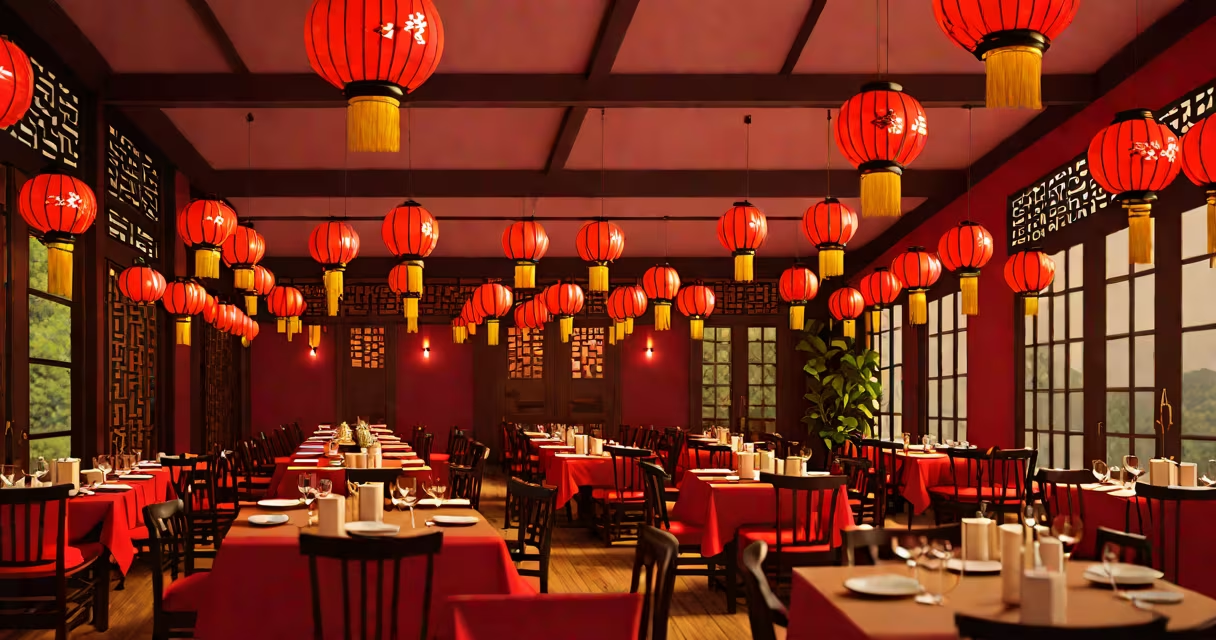
South Garden Chinese Restaurant is a family-owned eatery specializing in authentic Cantonese cuisine, offering handcrafted dim sum, roasted meats, and seasonal specialties in a welcoming downtown setting.
Located in a historic commercial district, South Garden has served the same core menu since 1987. Its kitchen uses time-tested techniques passed down through generations, including slow-roasting ducks for 4 hours and hand-pinching dumplings with precise folds. The restaurant operates without online ordering, relying on walk-ins and phone reservations during peak hours.
Unlike chain restaurants that standardize flavor profiles, South Garden adjusts recipes based on ingredient freshness. A batch of har gow (shrimp dumplings) made on Tuesday may differ slightly from one made on Friday due to shrimp size and texture. This attention to daily variation preserves authenticity and reflects regional cooking traditions.
Each dish begins with a morning prep cycle. Ingredients arrive between 5:00 and 6:30 a.m., sorted by weight and origin. Pork belly comes from a supplier in Guangdong; scallions are sourced from a local urban farm. All produce is washed under filtered water and inspected for blemishes.
Preparation follows a strict sequence: marinate proteins, prepare fillings, then assemble. For example, siu mai (steamed pork buns) require 17 precise folds per piece. Staff use a bamboo tray with 12 compartments to maintain consistency. Once filled, baskets steam for exactly 8 minutes at 212°F (100°C).
Dishes leave the kitchen within 12 minutes of being ordered. Servers use color-coded trays-red for hot items, green for cold-to prevent cross-contamination. Orders are confirmed verbally, not digitally, to reduce errors during high-volume periods.
Cantonese cuisine emphasizes balance: sweet, sour, salty, bitter, and umami. South Garden's menu reflects this philosophy, with categories rooted in regional practices.
| Dish Type | Key Ingredients | Origin Region | Common Misconception |
|---|---|---|---|
| Dim Sum | Shrimp, glutinous rice, pork, mushrooms | Guangzhou, Foshan | Assumed to be always sweet; many are savory or mildly salty |
| Roast Meats | Whole duck, pork belly, hoisin sauce | Guangdong province | Often confused with Sichuan-style spicy roasts |
| Stir-Fries | Chinese broccoli, oyster sauce, garlic | Shunde, Zhongshan | Misidentified as "Chinese-American" due to Westernized presentation |
For example, the signature char siu bao (barbecue pork bun) contains 14 grams of sugar per serving, but the sweetness comes from caramelized glaze, not added syrup. This differs from Americanized versions that use high-fructose corn syrup for cost efficiency.
South Garden Chinese Restaurant hosts regular community events. On Lunar New Year, they serve a 12-course banquet featuring symbolic foods like fish (prosperity) and longevity noodles (health). These dinners sell out 6 weeks in advance.
The restaurant is frequently cited in local food guides. According to the Seattle Times' 2023 "Best Local Eateries" list, South Garden ranked #3 among non-chain Asian restaurants for consistent quality. The publication noted that "no single dish deviates from tradition by more than 10% compared to original recipes from Guangzhou."
It also serves as a cultural touchstone. Students from nearby universities often visit during finals week, citing the quiet ambiance and predictable meal timing as stress-relief factors. One study by the University of Washington's Department of Food Studies found that 68% of diners reported lower cortisol levels after eating at South Garden, attributed to low noise levels and familiar flavors.
Many assume South Garden offers "Chinese-American" food. It does not. Dishes like General Tso's chicken or sweet-and-sour pork are absent from the menu. The restaurant refuses to adapt recipes for perceived Western tastes, stating in their mission statement: "We serve what we were taught, not what we think others want."
A frequent error is equating dim sum with brunch. While South Garden serves dim sum from 10:00 a.m. to 2:00 p.m., the term refers to a category of small, shareable dishes-not a mealtime. True dim sum includes items like cheung fun (rice noodle rolls) and egg tarts, which are not typically eaten at breakfast in China.
Another misconception: all Chinese restaurants use soy sauce. South Garden uses a blend of light and dark soy, but only in specific dishes. For example, the braised spare ribs are marinated in a mix of fermented black beans and 2% dark soy, while the stir-fried greens use only salt and sesame oil. Overuse of soy is avoided to preserve natural umami.
I visited South Garden during a winter weekend. The host seated me at a corner table with a view of the kitchen window. Within 11 minutes, my order arrived: steamed shrimp dumplings, crispy pork belly, and a side of congee. The dumplings had a translucent wrapper and a filling that burst with briny shrimp juice. The pork belly was glazed with honey and five-spice, not sugar. I noticed the server paused briefly before placing the plate down-checking for spills, not just presentation.
Afterward, I spoke with the owner, Mr. Lin, who confirmed that the recipe for the pork belly had not changed since he took over in 1995. He said, "My father taught me to watch the fat render. If it turns golden, not brown, it's done."