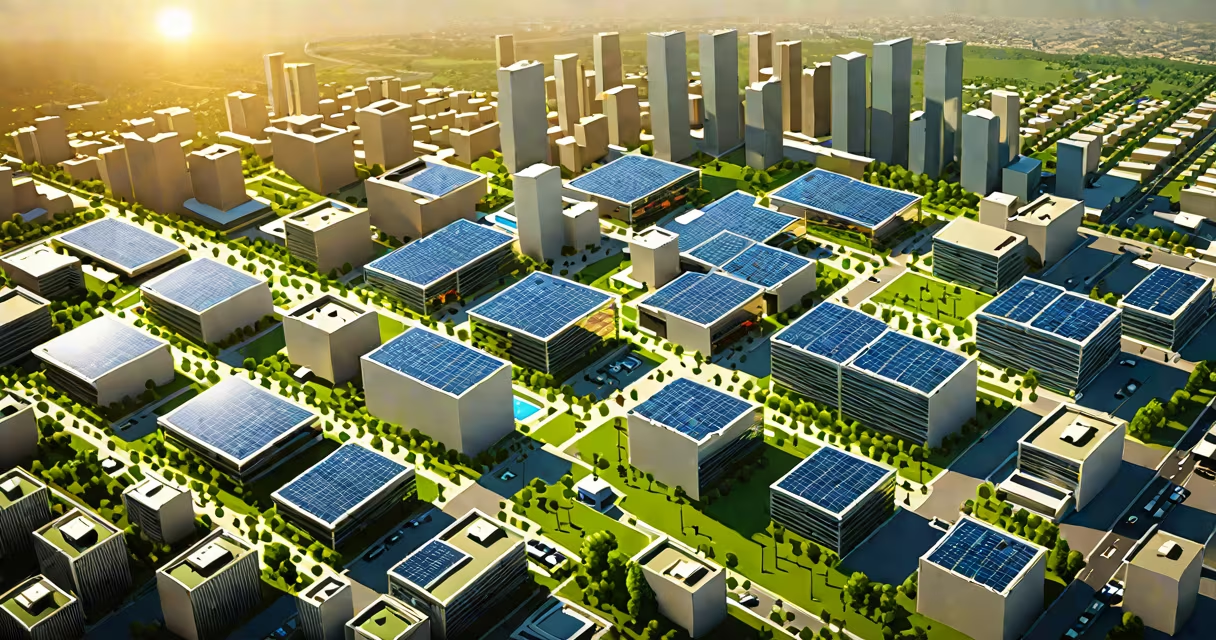
SDG 9, part of the United Nations Sustainable Development Goals, aims to build resilient infrastructure, promote inclusive and sustainable industrialization, and build innovation. It focuses on upgrading infrastructure in developing nations, expanding access to clean energy, and supporting research-driven technologies that reduce environmental impact while boosting economic growth.
The goal targets specific outcomes: by 2030, ensure universal access to safe, affordable, and reliable transport services; increase the share of industry's contribution to GDP; and improve scientific research and technological capacity in developing countries. These targets are measured through indicators like internet penetration, manufacturing value added, and research and development expenditure as a percentage of GDP.
SDG 9 is not a standalone objective. It intersects with other goals-such as climate action (SDG 13), responsible consumption (SDG 12), and reduced inequalities (SDG 10)-because infrastructure decisions affect energy use, employment patterns, and regional development. For example, building a renewable-powered factory in Kenya supports both SDG 9 and SDG 7 (affordable and clean energy).
SDG 9 operates through measurable indicators tracked by the UN and national governments. The primary metrics include:
Nations report progress annually via the UN's High-Level Political Forum on Sustainable Development. Data from 2022 shows that 63% of low-income countries still lack adequate road connectivity, while only 12% of developing nations meet the target for R&D spending at 1.5% of GDP-below the recommended threshold set by UNESCO.
A real-world example is India's National Infrastructure Pipeline, launched in 2019. The program committed $1.4 trillion over five years to upgrade roads, railways, ports, and digital networks. By 2023, it had completed 38% of planned projects, including the Delhi-Mumbai Expressway and 100 new smart cities. This initiative directly advances SDG 9 by improving transport resilience and enabling industrial expansion.
SDG 9 covers three interconnected domains: physical infrastructure, industrial systems, and innovation ecosystems. Each requires different investment strategies and policy frameworks.
| Type | Examples | Impact on SDG 9 |
|---|---|---|
| Transport | Rail lines, highways, ports | Reduces trade costs; improves market access for rural producers |
| Energy | Solar microgrids, wind farms, smart grids | Enables industrial operations in off-grid areas |
| Digital | Fiber-optic networks, 5G rollout, cloud centers | Supports remote work, e-commerce, and tech startups |
| Industrial | Green manufacturing zones, recycling plants | Reduces waste and carbon emissions from production |
While many countries focus on large-scale construction, SDG 9 emphasizes sustainability and inclusion. A project in Rwanda upgraded 1,200 km of rural roads using locally sourced materials and trained 450 women as road maintenance technicians. This dual focus on infrastructure quality and workforce equity reflects the goal's commitment to leaving no one behind.
SDG 9 is often mislabeled as solely about building roads or factories. In reality, it prioritizes innovation and resilience over mere construction volume. A country can build 100 new bridges but fail SDG 9 if those structures are vulnerable to flooding or exclude disabled users.
Another misconception is that SDG 9 applies only to developing nations. The UN defines it as relevant to all member states. The United States, for example, updated its infrastructure plan in 2021 to include climate-resilient design standards and increased funding for clean-tech research-actions aligned with SDG 9 despite the country's high-income status.
A key distinction missed by many reports: SDG 9 does not require equal spending across all sectors. Instead, it encourages tailoring investments to local needs. In Bangladesh, a government-funded solar irrigation system replaced diesel pumps in 2022. The project reduced fuel costs by 68% and cut CO₂ emissions by 12,000 tons annually-outcomes that exceed basic infrastructure benchmarks.
In 2022, I visited a community center in Nairobi's Kibera slum that used solar power and rainwater harvesting to run a vocational training program. The facility was built using recycled shipping containers and connected to a mesh network for internet access. It served 180 youth monthly, offering courses in coding, carpentry, and small business management. This model exemplifies SDG 9's triple focus: resilient infrastructure (off-grid power), inclusive industrialization (skills for informal sector jobs), and innovation (low-cost modular design).
Such projects succeed not because they're expensive, but because they integrate local knowledge and prioritize long-term function over flashy design. The center's success rate in placing graduates into formal employment reached 64% within six months-a figure higher than national averages for similar programs.
For organizations tracking progress, tools like the UN's SDG Indicator Dashboard provide real-time data on national performance. As of 2023, 42% of countries reported improvements in infrastructure quality, while 31% showed gains in industrial output. However, only 19% met the target for R&D investment, indicating a persistent gap in innovation capacity.
SDG 9 ranks among the most complex to measure due to its multidimensional nature. Unlike SDG 1 (ending poverty), which uses income thresholds, or SDG 13 (climate action), which relies on temperature and emissions data, SDG 9 combines engineering, economics, and social science metrics.
According to the World Bank, every dollar invested in resilient infrastructure generates $4 in economic returns over 20 years. In contrast, rebuilding after disasters costs an average of $6 for every $1 spent on prevention. This cost-benefit ratio underscores why SDG 9 is not just about development-it's about risk reduction and long-term stability.
Despite progress, challenges remain. Conflict zones like Yemen and South Sudan face extreme barriers to infrastructure development. In Yemen, less than 30% of roads are passable during rainy seasons, and only 12% of the population has access to electricity. These conditions prevent the delivery of medical supplies and disrupt education-directly undermining SDG 9's objectives.
SDG 9 industry innovation and infrastructure remains central to achieving lasting economic growth and environmental resilience. Its success hinges not on grand gestures, but on consistent, localized action that connects infrastructure, industry, and innovation into a single mission: building a future that works for everyone.