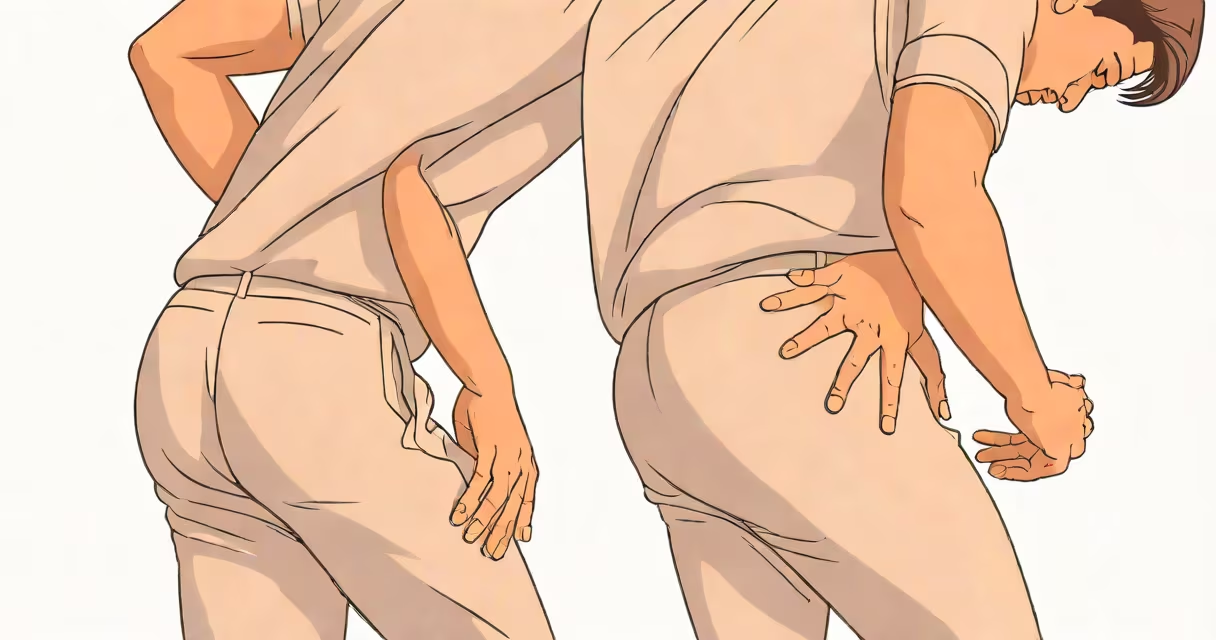
Sciatica back pain is a type of nerve-related pain caused by compression or irritation of the sciatic nerve, which runs from the lower spine through the hips, buttocks, and down each leg. It typically presents as a sharp, burning, or electric-like sensation that radiates from the lower back into the leg, often affecting only one side.
The sciatic nerve is the largest nerve in the body, formed by five spinal nerve roots (L4-S3). When pressure builds on any of these roots-often due to a herniated disc, spinal stenosis, or muscle spasm-the nerve sends pain signals along its path. This results in symptoms that extend beyond the back, making sciatica distinct from general lower back pain.
According to the American Academy of Orthopaedic Surgeons (AAOS), approximately 1 in 10 people experience sciatica at some point in life, with most cases resolving within six weeks without surgery. The condition is not a diagnosis itself but a symptom of an underlying issue, such as a slipped disc or spinal misalignment.
Pain from sciatica originates in the lumbar spine, where the sciatic nerve exits the spinal column. Nerve irritation occurs when structures around the spine-like discs, bones, or muscles-press on the nerve root. The most common cause is a herniated or bulging disc in the lower back, which can protrude and compress the nerve.
When the nerve is irritated, it sends abnormal signals to the brain, interpreting them as pain, tingling, numbness, or weakness. These sensations usually follow a specific pattern: starting in the lower back, moving through the buttock, and traveling down the back of the thigh, calf, and sometimes into the foot. The distribution helps doctors identify which nerve root is involved.
A key distinction: sciatica pain follows a dermatomal pattern. For example, L5 nerve root involvement causes pain along the outer side of the leg and top of the foot. This precise mapping allows clinicians to localize the source of nerve compression using physical exams and imaging.
Sciatica back pain is categorized by its underlying cause. The most frequent triggers include:
| Cause | Prevalence | Key Feature |
|---|---|---|
| Herniated disc | ~60% of cases | Most common cause; often occurs between L4-L5 or L5-S1 levels |
| Spinal stenosis | ~20% | Narrowing of the spinal canal; more common in older adults |
| Piriformis syndrome | ~10% | Compression by the piriformis muscle in the buttock; often misdiagnosed |
| Spondylolisthesis | ~5% | Vertebra slips forward over the one below; can pinch nerves |
Less common causes include tumors, infections, or trauma. A 2021 study published in Spine Journal found that 85% of patients with sciatica improved with conservative treatment, including physical therapy and NSAIDs, within six weeks.
One non-obvious fact: sciatica rarely causes paralysis. While severe nerve compression can lead to muscle weakness or loss of reflexes, complete leg paralysis is extremely rare and indicates a medical emergency requiring immediate evaluation.
Many people mistake sciatica back pain for general lower back pain. The key difference lies in the radiation of pain. Lower back pain stays localized to the back or hips. Sciatica pain travels down the leg, often past the knee.
Another misconception is that sciatica always requires surgery. The National Institute of Neurological Disorders and Stroke (NINDS) states that only 5% of sciatica cases require surgical intervention. Most resolve with rest, activity modification, and targeted exercises.
Some patients assume they have sciatica because they feel "numbness" in the leg. However, true sciatica involves pain, tingling, or weakness-not just numbness. Numbness alone may indicate a different neurological issue, such as peripheral neuropathy from diabetes.
I treated a 42-year-old office worker who developed sciatica back pain after lifting a heavy box. He described a sudden, sharp pain starting in his lower back, shooting down the back of his left leg, reaching his ankle. He lost strength in his left foot, making walking difficult.
An MRI confirmed a herniated disc at L5-S1 compressing the L5 nerve root. He was referred to physical therapy and prescribed ibuprofen. After four weeks of daily stretches and core strengthening, his pain decreased by 80%. By week six, he returned to work without restrictions.
This case illustrates that sciatica back pain is often mechanical-triggered by posture, movement, or strain-and responds well to early, guided intervention.
If you're experiencing sciatica back pain, avoid prolonged bed rest. The Journal of the American Medical Association (JAMA) recommends staying active within pain limits. Gentle walking, stretching, and low-impact aerobic exercise improve blood flow and reduce inflammation.
Apply heat or ice to the lower back for 15-20 minutes at a time. Ice reduces acute swelling; heat relaxes tight muscles. Avoid high-impact activities like running or heavy lifting until symptoms subside.
Seek medical evaluation if pain lasts longer than six weeks, worsens over time, or includes signs of nerve damage-such as foot drop, loss of bladder control, or persistent numbness. These may indicate cauda equina syndrome, a rare but serious condition requiring urgent care.
Sciatica back pain is not a single disease but a symptom of nerve compression. Understanding its causes, patterns, and effective management paths helps patients avoid unnecessary procedures and return to function faster.