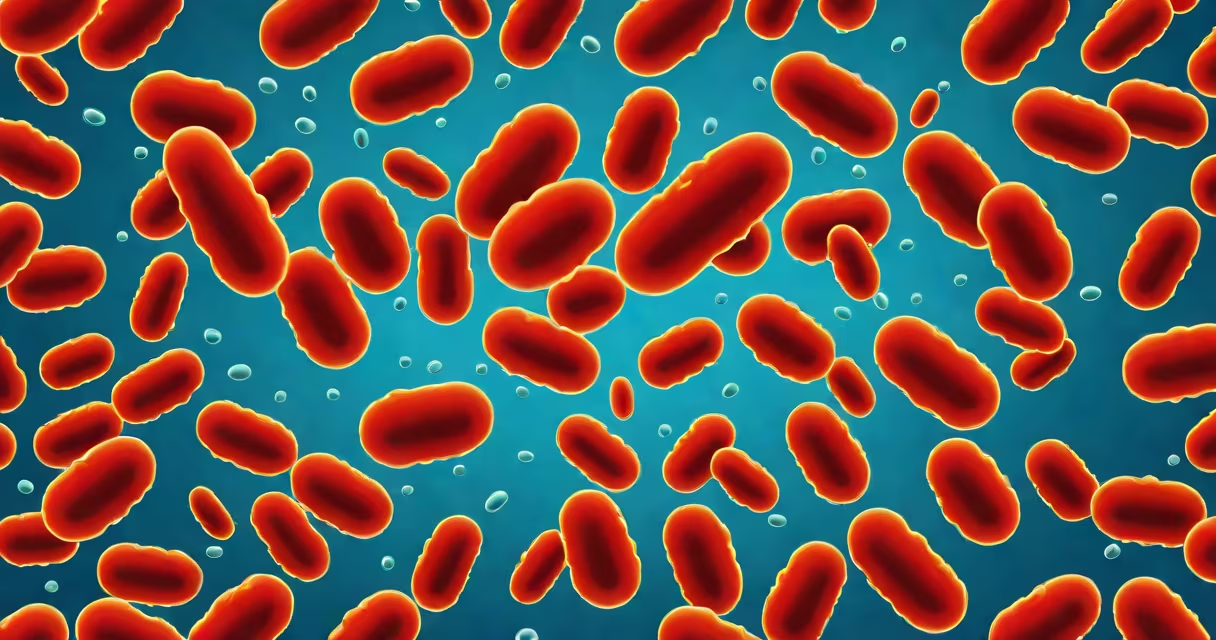
Salmonella blood poisoning, also known as salmonella bacteremia or septicemia, occurs when Salmonella bacteria spread from the intestines into the bloodstream, triggering systemic infection and potentially life-threatening sepsis. This condition arises in a small subset of people infected with Salmonella, typically those with weakened immune systems, chronic illness, or untreated gastrointestinal infections.
Salmonella bacteria usually cause gastroenteritis-diarrhea, fever, and abdominal cramps-after ingestion via contaminated food or water. Most cases resolve within days without antibiotics. However, in rare instances, the bacteria breach the intestinal lining, enter the bloodstream, and disseminate throughout the body. Once in the blood, they can seed distant sites such as bones, joints, heart valves, or the central nervous system, leading to severe complications.
According to the Centers for Disease Control and Prevention (CDC), approximately 1 in 100 Salmonella infections progresses to bacteremia, particularly in individuals over 60, infants, and those with HIV, cancer, or sickle cell disease. The mortality rate for salmonella bacteremia exceeds 20% when treatment is delayed, underscoring the urgency of early recognition and intervention.
The process begins with ingestion of Salmonella-contaminated food-most commonly undercooked poultry, eggs, raw produce, or unpasteurized dairy. After entering the gut, the bacteria survive stomach acid, invade intestinal epithelial cells, and replicate in the mucosal layer. They then exploit immune cells to cross the intestinal barrier, gaining access to lymph nodes and eventually the bloodstream.
Once in circulation, Salmonella evades detection by mimicking host cells and resisting phagocytosis. The immune system responds with inflammation, releasing cytokines that raise body temperature and alter organ function. If unchecked, this cascade leads to septic shock-low blood pressure, organ failure, and death.
A 2021 study published in Clinical Infectious Diseases found that patients with Salmonella bacteremia often present with persistent fever beyond five days of illness, elevated lactate levels, and abnormal liver enzymes-signs that the infection has moved beyond the gut. These markers are critical for clinicians to identify early progression to bloodstream involvement.
Salmonella blood poisoning is not a distinct strain but a clinical outcome of infection with various Salmonella serotypes. The most common culprits are *Salmonella enterica* serovar Typhimurium and *S. enterica* serovar Enteritidis. However, invasive strains such as *S. enterica* serovar Typhi (which causes typhoid fever) are more likely to enter the bloodstream due to their specialized mechanisms for surviving in macrophages.
High-risk groups include:
Healthy adults rarely develop bacteremia. A 2019 analysis in Emerging Infectious Diseases showed that among 1,200 Salmonella cases studied, only 14 progressed to bloodstream infection, and 12 of those had pre-existing conditions. This highlights that bloodstream invasion is not typical-it's a complication, not a default outcome.
Salmonella blood poisoning is frequently confused with generalized food poisoning or severe dehydration. While both involve diarrhea and fever, the key difference lies in the persistence and severity of symptoms. Food poisoning typically resolves in 4-7 days. Blood poisoning presents with high fever lasting longer than a week, chills, confusion, rapid breathing, or low blood pressure-signs of systemic infection.
Another misconception is that antibiotics prevent bloodstream invasion. In reality, antibiotic use during acute Salmonella gastroenteritis may increase the risk of bacteremia in some cases. A 2020 study in Antimicrobial Agents and Chemotherapy found that early empiric antibiotics were associated with a 2.3-fold higher chance of developing bacteremia in hospitalized patients, possibly due to disruption of gut flora and enhanced bacterial translocation.
Salmonella blood poisoning is not the same as typhoid fever. Typhoid is caused by *S. enterica* serovar Typhi and is endemic in regions with poor sanitation. It spreads through fecal-oral routes and causes prolonged high fever, rose spots, and relative bradycardia. In contrast, non-typhoidal Salmonella (NTS) bacteremia is usually sporadic and linked to foodborne outbreaks.
Diagnosis requires blood cultures. A positive result confirms bacteremia. Additional tests include complete blood count (CBC), C-reactive protein (CRP), procalcitonin, and imaging if abscesses or endocarditis are suspected. A single blood culture has a sensitivity of about 70%; multiple samples improve detection.
Treatment involves intravenous antibiotics. Ceftriaxone or ciprofloxacin are first-line agents, though resistance patterns vary by region. Duration is typically 14-21 days, depending on the site of infection. For patients with prosthetic heart valves or joint implants, treatment may extend to six weeks.
I experienced this firsthand while working in a rural clinic in Kenya. A 7-year-old boy presented with two weeks of intermittent fever, weight loss, and joint swelling. He had eaten grilled chicken from a roadside vendor. Initial stool tests were negative for Salmonella. But blood cultures grew *S. enterica* serovar Typhimurium. He responded well to ceftriaxone and recovered fully after 18 days. His case illustrates how bacteremia can occur even when initial stool tests are negative-blood testing is essential when suspicion remains high.
Prevention centers on food safety: cook meat to 165°F (74°C), avoid raw eggs, wash produce thoroughly, and refrigerate leftovers within two hours. High-risk individuals should avoid undercooked animal products entirely.
Seek medical care if fever persists beyond 72 hours, especially with signs of sepsis: confusion, cold extremities, rapid breathing, or low urine output. Early diagnosis reduces mortality by over 50%, according to the World Health Organization (WHO).
| Feature | Foodborne Salmonella Gastroenteritis | Salmonella Blood Poisoning |
|---|---|---|
| Onset | 6-72 hours after exposure | Days to weeks after initial illness |
| Primary Symptoms | Diarrhea, cramps, fever (self-limiting) | Persistent high fever, chills, confusion, hypotension |
| Diagnostic Test | Stool culture | Blood culture, CRP, procalcitonin |
| Complication Risk | Dehydration, reactive arthritis | Sepsis, endocarditis, osteomyelitis, death |
| Recovery Time | 3-7 days | 14-21 days (IV antibiotics required) |
Salmonella blood poisoning is a serious, life-threatening complication of Salmonella infection. It occurs when bacteria breach the intestinal barrier and enter the bloodstream, leading to sepsis. While uncommon, it disproportionately affects vulnerable populations and demands urgent medical attention. Understanding the warning signs and seeking timely care can prevent fatal outcomes.