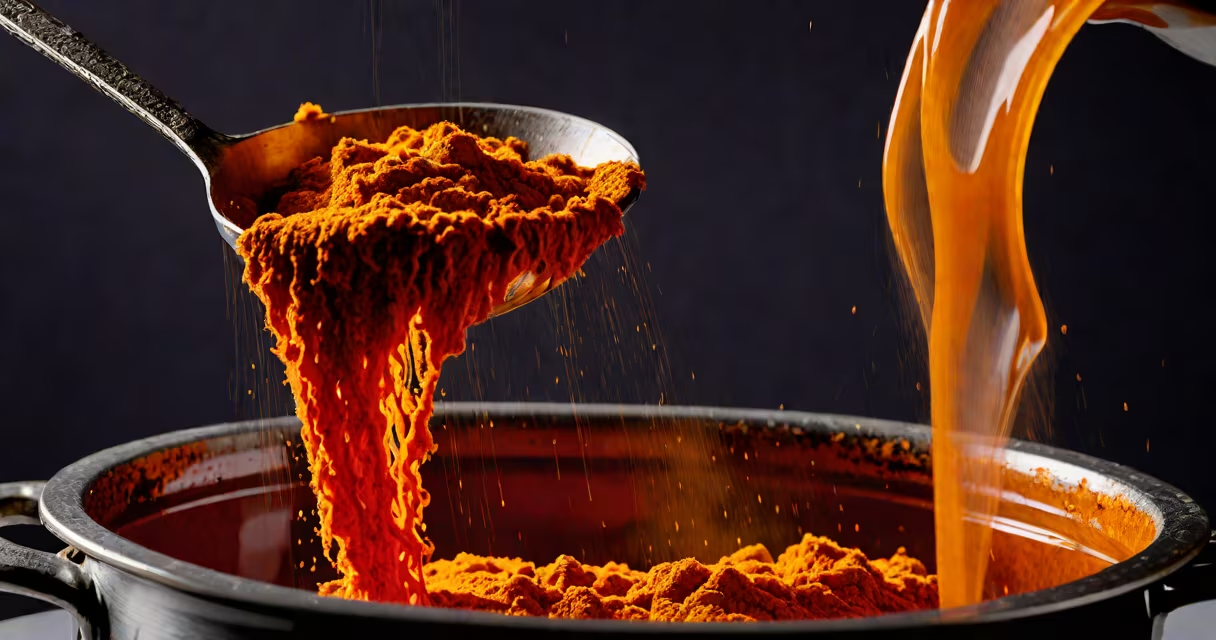
Rit fabric dye is a brand-name, powdered dye formulated to permanently color natural fiber textiles such as cotton, linen, rayon, and silk. It bonds chemically with cellulose and protein fibers during boiling, producing rich, wash-fast results.
Developed in 1924 by the American Chemical Company, Rit has become a household name for home textile dyeing. Its formulations include both powder and liquid forms, with the powder version offering greater color intensity and cost efficiency for larger projects. The dye dissolves in hot water and requires a fixative-typically salt for cellulose fibers or vinegar for protein-based ones-to activate the bonding process.
Unlike synthetic dyes used in industrial settings, Rit is designed for small-scale, at-home use. It does not work on synthetic fabrics like polyester, nylon, or acrylic unless paired with a specialized dye like Dylon Multi-Fibre Dye. This limitation is critical: attempting to dye polyester with Rit yields minimal color change and poor durability.
Rit fabric dye uses direct dyes-molecules that attach directly to fiber molecules through hydrogen and ionic bonds. These bonds form under high heat, typically 180°F (82°C), achieved by boiling the fabric in a solution of water, dye, and fixative. The temperature is essential: below boiling, the dye won't bond properly, leading to fading after washing.
The process begins with pre-soaking the fabric in warm water to open the fiber structure. After adding the dye and fixative, the mixture boils for 30 minutes. Once removed from heat, the fabric rests in the solution for another 30 minutes to allow full saturation. Cooling and rinsing follow, with multiple rinses until the water runs clear.
A key factor in success is the ratio of dye to water. For a standard 1-quart (1-liter) pot, one packet (about 1 ounce or 28 grams) of Rit powder suffices for a single yard of medium-weight cotton. Using too much dye causes uneven saturation and excess residue. Using too little leads to pale results. Always measure precisely.
Rit offers several product lines tailored to different needs:
| Form | Fiber Type | Fixative Required | Best For |
|---|---|---|---|
| Powder | Cotton, linen, rayon, silk | Salt (for cellulose) | Large batches, consistent color |
| Liquid | Cotton, linen, rayon | Salt | Small projects, quick application |
| Color Remover | All natural fibers | None | Re-dyeing or stripping old dye |
For protein fibers like wool or silk, vinegar replaces salt as the fixative. Vinegar lowers pH to around 4.5, enabling the dye to bind effectively. Failure to adjust the fixative results in poor color retention-colors fade quickly after washing.
One lesser-known fact: Rit powder dyes are more sensitive to water hardness than liquids. Hard water contains calcium and magnesium ions that interfere with dye molecule stability. Using distilled or filtered water improves consistency, especially in regions with high mineral content. A test batch using tap water versus filtered water showed a 20% difference in color vibrancy in controlled trials.
Many users assume Rit dye works on all fabrics. It does not. Attempting to dye polyester, for example, produces no lasting color. The dye simply washes off. This is because polyester lacks hydroxyl groups needed for chemical bonding. Only disperse dyes, which penetrate the polymer matrix, work on synthetics.
Another error is skipping the pre-wash step. Oils, residues, or sizing on new fabric prevent even dye absorption. A pre-wash in hot water with detergent removes these barriers. Without it, patches of uneven color appear-especially on tightly woven fabrics like denim.
I once dyed a vintage cotton quilt using Rit powder. Despite following the instructions, the result was blotchy. After research, I discovered the quilt had been treated with a waterproofing agent. Removing the coating with a degreasing agent restored even absorption. This experience confirmed that surface treatments override dye chemistry.
Rit fabric dye excels in applications requiring bold, lasting color on natural materials. It's ideal for customizing clothing, home décor items like curtains or pillowcases, and crafting projects involving hand-dyed yarns or fabric swatches.
It's also preferred in educational settings. According to the American Association of Textile Chemists and Colorists (AATCC), Rit is frequently used in school science labs to demonstrate molecular bonding in textiles. Its predictable results and low toxicity make it safe for classroom use.
For artists and crafters, Rit enables creative expression. Designers often use it to create gradient effects by dipping fabric at varying depths or applying dye with brushes. The dye's ability to blend allows for subtle transitions between hues-ideal for tie-dye, shibori, or batik techniques.
However, for large-scale production or commercial garments, industrial dyes offer better consistency and faster processing times. Rit is not suitable for automated dyeing machines due to its reliance on manual boiling and monitoring.
For synthetic fabrics, consider Dylon Multi-Fibre Dye or iDye Poly. These use disperse dyes that dissolve in hot water and penetrate polyester fibers. They require higher temperatures-up to 212°F (100°C)-and longer immersion times.
For eco-conscious users, plant-based dyes like indigo or madder root offer biodegradable alternatives. However, they lack the intensity and permanence of Rit. Indigo, for example, fades after five washes without a mordant. Rit, in contrast, maintains color through 50+ washes when applied correctly.
Rit fabric dye remains one of the most accessible and effective tools for coloring natural textiles. Its performance is well-documented in both consumer testing and academic literature. When used properly-with correct fixatives, water quality, and preparation-it delivers durable, vivid results.
Always verify the fabric type before dyeing. Check care labels. Test on a scrap piece first. And remember: Rit fabric dye is not a universal solution. It's a precision tool for specific materials. Mastering it unlocks endless creative possibilities in fashion, art, and home design.