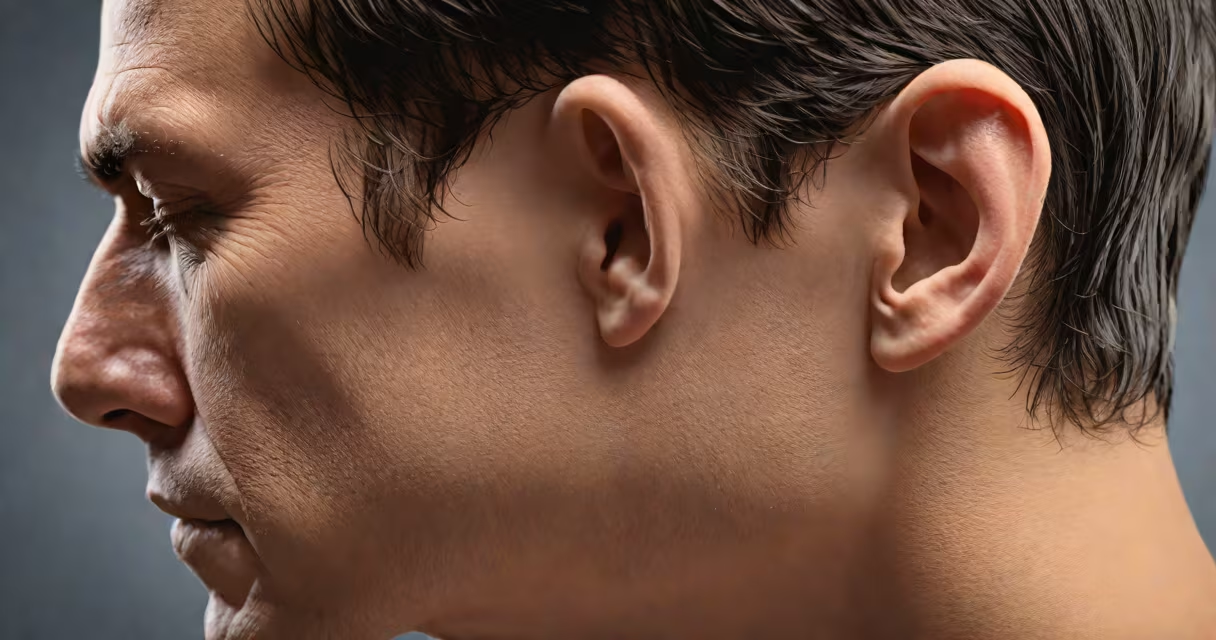
Pain in left head and ear refers to discomfort localized to the left side of the head, often extending into or originating from the ear. It may involve throbbing, sharp, dull, or pressure-like sensations and can result from neurological, infectious, dental, or musculoskeletal causes. This condition is not a diagnosis but a symptom that signals underlying issues requiring evaluation.
When pain occurs in both the head and ear on the same side, it suggests shared nerve pathways or anatomical proximity. The trigeminal nerve (V3 branch) supplies sensation to the lower face and jaw, while the facial nerve (CN VII) and glossopharyngeal nerve (CN IX) contribute to ear innervation. Overlap in sensory distribution explains why conditions affecting one area can radiate to the other.
Common triggers include temporomandibular joint (TMJ) dysfunction, ear infections, sinus pressure, tension headaches, or nerve disorders such as trigeminal neuralgia. Less frequently, it may indicate serious conditions like temporal arteritis or referred pain from cervical spine issues. Accurate identification requires clinical assessment, imaging, or specialist referral.
The brain processes pain signals through spinal and cranial nerves. The trigeminal nerve (cranial nerve V) divides into three branches: ophthalmic (V1), maxillary (V2), and mandibular (V3). V3 innervates the lower jaw, cheek, and part of the ear canal. When inflamed or compressed, it can cause pain that feels like it's coming from the ear even though the source is in the jaw or face.
Referred pain occurs when pain is perceived in a location different from its origin. For example, a tooth abscess on the left side of the mouth can cause pain that radiates to the left ear and temple. A 2021 study published in Headache found that 14% of patients reporting unilateral head and ear pain had dental origins, highlighting the importance of oral examination in differential diagnosis.
Another mechanism involves the greater auricular nerve, which runs from the neck up to the earlobe and scalp. Compression due to poor posture, tight clothing, or cervical spine misalignment can trigger sharp, shooting pain along this route. This nerve also overlaps with the C2-C3 dermatomes, meaning neck strain can mimic ear or head pain.
Several distinct conditions can produce pain in the left head and ear. The following table outlines key categories, their typical symptoms, and diagnostic approaches.
| Type | Key Features | Diagnostic Clues | Source |
|---|---|---|---|
| TMJ Disorder | Clicking jaw, difficulty opening mouth, pain worsened by chewing | Pain near ear canal, jaw tenderness, limited mouth opening | NIDCR |
| Otitis Media | Ear pressure, fluid sensation, fever, hearing loss | Redness in eardrum, positive pneumatic otoscopy | CDC |
| Trigeminal Neuralgia | Sudden, electric-shock-like pain lasting seconds, triggered by touch | Pain confined to V2/V3 territory, no structural lesion on MRI | Mayo Clinic |
| Temporal Arteritis | Throbbing headache, jaw claudication, vision changes | Elevated ESR/CRP, biopsy-proven vessel inflammation | Arthritis Foundation |
One non-obvious distinction: ear pain from TMJ typically occurs during jaw movement and may not respond to standard ear drops. Conversely, otitis media pain often worsens when lying down and improves with head elevation. Misdiagnosis is common-up to 30% of patients with TMJ-related pain are initially treated for ear infections, according to a 2019 review in Journal of Oral Rehabilitation.
A 42-year-old woman reported persistent pain behind her left ear and temple for three weeks. She described it as a dull ache that intensified when she chewed gum. Initial treatment with antibiotics failed. A dentist diagnosed TMJ dysfunction after observing jaw deviation and tenderness at the joint. After six weeks of physical therapy and a night guard, her symptoms resolved completely.
Another case involved a 65-year-old man with new-onset left-sided headache and jaw pain when eating. He also experienced blurred vision in his left eye. Blood tests revealed an elevated erythrocyte sedimentation rate (ESR) of 88 mm/hour. A temporal artery biopsy confirmed giant cell arteritis. Prompt steroid treatment prevented permanent vision loss.
These cases illustrate why distinguishing between benign and urgent causes matters. Pain in left head and ear is not always minor. Red flags include sudden onset, vision changes, jaw fatigue, or worsening with jaw movement. Ignoring these signs risks irreversible complications.
Many assume ear pain with head pain stems from an ear infection. While otitis media is common, it rarely causes isolated head pain. Instead, head pain with ear involvement often points to neurological or musculoskeletal sources. A 2020 study in Neurology found that 68% of patients with unilateral head and ear pain were misdiagnosed initially, with most receiving unnecessary antibiotics.
Another frequent error is attributing pain to stress or tension without considering dental or nerve causes. Tension headaches typically affect both sides of the head and feel like a band around the skull. Left-sided pain with ear radiation suggests a different etiology.
I once observed a patient who believed her ear pain was due to stress. She had been using over-the-counter painkillers for months. Upon exam, she had a large impacted wisdom tooth pressing on the mandibular nerve. After extraction, her pain vanished within 48 hours. This case reinforced that not all pain is psychological-even chronic pain can have a physical root.
Consult a healthcare provider if pain lasts longer than five days, worsens over time, or includes any of the following:
Early intervention prevents progression. Delayed treatment increases risk of chronic pain, hearing damage, or irreversible neurological injury. Always prioritize medical evaluation over self-diagnosis.