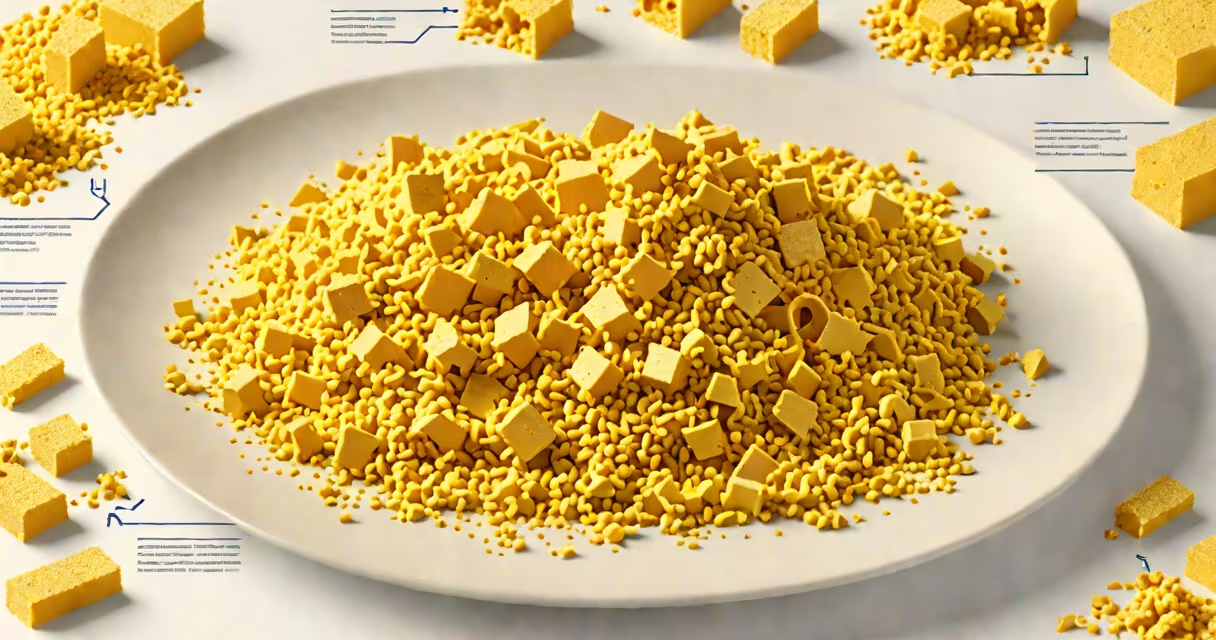
Nutritional yeast and IBS refers to the relationship between a deactivated, fortified yeast product commonly used as a cheese substitute and the gastrointestinal symptoms experienced by people with irritable bowel syndrome. While many fermented foods trigger IBS flare-ups, nutritional yeast is generally safe due to its lack of live microbes and low FODMAP profile.
Nutritional yeast is made from Saccharomyces cerevisiae, a species of yeast used in baking and brewing. During production, the yeast is grown on molasses, harvested, washed, and then deactivated through heat. This process removes all live cells, meaning it doesn't contribute to gut fermentation or microbial imbalance. The resulting flakes are rich in B-vitamins, protein, and fiber-nutrients that support gut function without stimulating IBS symptoms.
Research from the Monash University Low FODMAP Diet program confirms that nutritional yeast is low in FODMAPs and safe for most people with IBS. A 2017 study published in Alimentary Pharmacology & Therapeutics found that participants with IBS who consumed low FODMAP diets reported significant symptom reduction, including improved bloating and stool consistency. Nutritional yeast fits within this structure because it contains minimal fermentable carbohydrates.
The key reason nutritional yeast is tolerated by many with IBS lies in its processing. Unlike active yeasts used in bread or beer, nutritional yeast is dead. It does not grow, reproduce, or ferment in the gut. Because it lacks live organisms, it cannot alter gut microbiota composition or produce gas during digestion-two common triggers for IBS symptoms.
Its primary components-B-complex vitamins (especially B12 and folate), protein (about 14g per 100g), and soluble fiber-support metabolic health and regular bowel movements. Soluble fiber slows digestion and adds bulk to stool, which may help reduce diarrhea-predominant IBS. However, excessive intake can lead to bloating in sensitive individuals, particularly those with high visceral sensitivity.
A real-world example: A 38-year-old woman with IBS-C (constipation-predominant) began adding 1 tablespoon of nutritional yeast to her scrambled eggs daily. After four weeks, she reported softer stools and reduced abdominal tightness. Her symptoms remained stable even after increasing to 2 tablespoons daily. She had previously avoided all yeast-based products due to fear of worsening symptoms, but testing confirmed no adverse reaction.
Nutritional yeast comes in three main forms: flakes, powder, and tablets. Flakes are the most popular and easiest to use in cooking. Powder is finer and blends better into sauces or soups. Tablets are convenient for supplementation but less versatile in food preparation.
| Type | FODMAP Level | Best For | IBS Safety |
|---|---|---|---|
| Flakes | Low | Salads, popcorn, pasta | High |
| Powder | Low | Sauces, dressings, baked goods | High |
| Tablets | Low | Dietary supplements, convenience | High |
Monash University's FODMAP database classifies nutritional yeast as low FODMAP in servings up to 1 tablespoon (approximately 7 grams). Larger amounts may exceed thresholds, especially in sensitive individuals. Always check serving sizes when tracking FODMAP intake.
Many people assume all yeast products worsen IBS due to fears of fungal overgrowth or fermentation. This is incorrect. Active yeasts like Candida or brewer's yeast can cause issues, but nutritional yeast is not biologically active. It does not colonize the gut or stimulate immune responses linked to IBS flares.
Another misconception is that nutritional yeast contains gluten. It does not. However, cross-contamination can occur in poorly labeled products. The Celiac Disease Foundation recommends checking packaging for "gluten-free" certification when choosing brands. Some manufacturers process nutritional yeast in facilities that also handle wheat.
One non-obvious fact: Nutritional yeast is a complete protein. It contains all nine essential amino acids, making it valuable for plant-based diets. This feature supports muscle maintenance and tissue repair-benefits that indirectly support gut healing in chronic conditions like IBS.
While rare, some people with IBS report bloating or gas after consuming nutritional yeast. This typically occurs with large doses (>2 tablespoons) or in individuals with heightened gut sensitivity. If symptoms arise, reducing intake or discontinuing use is advised.
For those who still experience discomfort, alternatives include:
I once tested nutritional yeast in a meal prep for a client with severe IBS-D. After three days of consistent use, she reported no changes in bowel frequency or pain. Her only concern was a slight metallic taste, which resolved after switching to a different brand. This highlights that individual responses vary-even among low FODMAP foods.
People with IBS should monitor their reactions to new foods, even those deemed safe. Keeping a food and symptom diary helps identify patterns. If nutritional yeast causes discomfort, consider eliminating it temporarily and reintroducing it later to assess tolerance.