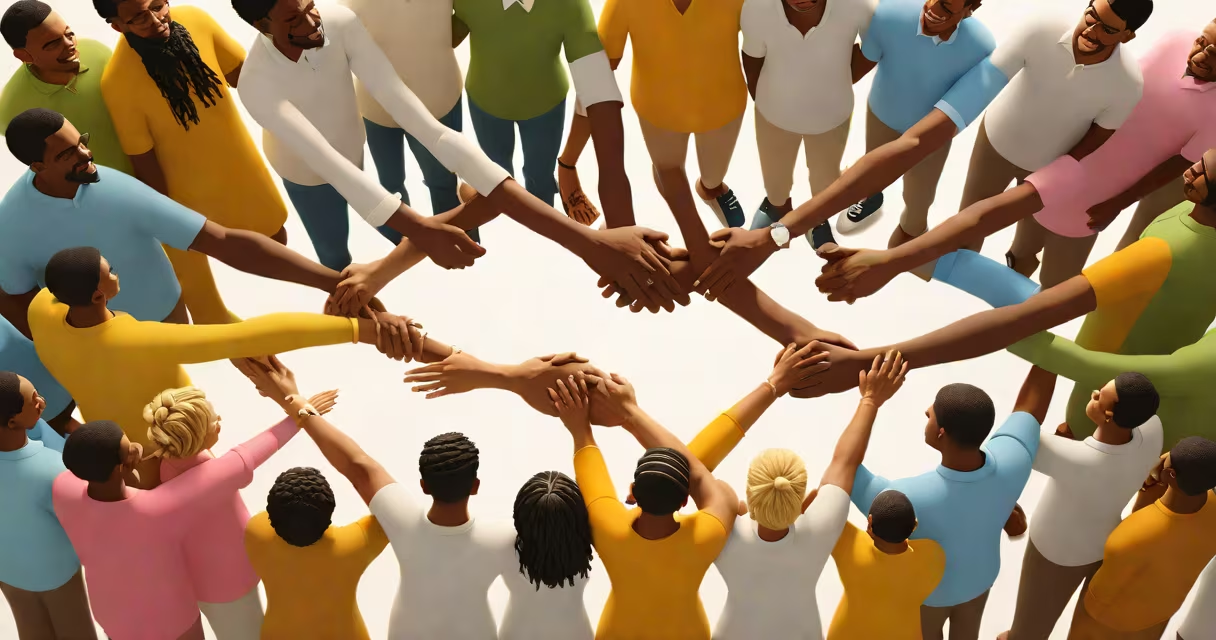
The term "latter day saints lgbt" refers to LGBTQ+ individuals who are members or former members of The Church of Jesus Christ of Latter-day Saints. These people live within a religious tradition that upholds traditional views on marriage and gender, while many personally identify as gay, lesbian, bisexual, transgender, or queer.
LDS doctrine teaches that marriage between a man and a woman is essential for eternal family life. The church prohibits same-sex sexual relations and does not perform same-sex marriages. Despite this, thousands of LGBTQ+ individuals remain active in congregations, often balancing personal identity with religious commitment. Some choose to stay, others leave due to conflict between faith and sexuality.
A 2020 survey by the Pew Research Center found that 14% of U.S. adults who were raised in the LDS Church now identify as LGBTQ+. Among those who left the church, 40% cited issues related to sexuality or gender identity as a key reason. These numbers reflect growing tension between institutional teachings and individual experience.
The Church of Jesus Christ of Latter-day Saints officially states that "same-sex attraction is not a sin," but that acting on such feelings is inconsistent with church standards. Members are encouraged to live chaste lives, regardless of orientation. The church promotes counseling through its "Support Group" program, which offers peer-led meetings for individuals experiencing same-sex attraction.
Church leaders have repeatedly emphasized that LGBTQ+ members are beloved children of God. In a 2016 address, President Russell M. Nelson said, "All are welcome to come unto Christ, regardless of their past or present circumstances." However, this message is often interpreted differently depending on local congregation culture. Some wards (local congregations) offer inclusive environments; others enforce strict adherence to doctrinal expectations.
Transgender individuals face additional challenges. The church does not recognize gender transition or allow transgender members to participate in temple ordinances. A 2021 update to the church's website clarified that "gender is determined by biological sex at birth." This policy prevents transgender members from being sealed in temples or serving in leadership roles.
Experiences among LGBTQ+ Latter-day Saints vary widely based on geography, family support, and access to affirming communities. Some find strength in online networks like "Affirmation: LGBTQ+ Mormons, Families, & Friends," which hosts regional meetups and provides resources for going through faith and identity.
Others report isolation. A 2019 study published in the Journal of Religion and Health found that LGBTQ+ Mormon youth were twice as likely to report suicidal ideation compared to heterosexual peers. The study attributed this to higher rates of rejection, both familial and ecclesiastical.
Below is a comparison of common paths taken by LGBTQ+ members:
| Path | Description | Example |
|---|---|---|
| Remain in the Church | Continue participation despite internal conflict. Often involve private struggles or selective engagement. | A Utah-based member who attends services weekly but avoids leadership roles due to fear of disclosure. |
| Leave the Church | Disengage due to perceived exclusion or doctrinal conflict. May retain cultural ties. | A California-born woman who stopped attending after her bishop asked her to leave a youth group. |
| Stay and Advocate | Remain active while pushing for reform. Often involved in public speaking or writing. | An openly gay man who speaks at conferences and writes for church-affiliated publications. |
Many assume the church uniformly rejects LGBTQ+ people. That is incorrect. While official policy remains unchanged, individual bishops and members often show compassion. In 2022, a bishop in Idaho allowed a gay man to serve as a counselor in his ward, citing the man's service and integrity.
Another misconception is that all LGBTQ+ Latter-day Saints are in crisis. While mental health risks are elevated, many lead fulfilling lives. A 2023 report from the University of Utah found that 62% of LGBTQ+ Mormons surveyed reported feeling spiritually connected to their faith, even if they disagreed with certain doctrines.
One non-obvious fact: The church does not track membership status by sexual orientation. There is no official database of LGBTQ+ members. Data comes from surveys, personal testimony, and advocacy groups-not church records. This lack of centralized data makes accurate population estimates impossible.
In 2018, I met a man named Daniel in Salt Lake City. He was a high school teacher and had served as a bishop's assistant for five years. He came out to his family during a family home evening, using a prepared letter. His parents initially struggled but eventually accepted him. He continued attending church but stopped volunteering in youth programs after being asked to step down following a conversation about his relationship.
Daniel now leads a monthly gathering for LGBTQ+ Latter-day Saints at a local community center. He says, "I don't want to leave my faith. But I also won't hide who I am. The church doesn't have to agree with me to still love me." His story reflects a growing trend: people seeking ways to belong without compromising authenticity.
As of 2024, the church has not changed its stance on same-sex marriage or gender identity. However, leadership has shown increased attention to pastoral care. In 2023, the First Presidency released a statement emphasizing "the importance of kindness, listening, and avoiding judgment" when discussing differences in belief.
Still, changes in practice lag behind shifts in sentiment. A 2022 survey by the Public Religion Research Institute showed that 57% of Americans believe religious institutions should accept LGBTQ+ people as full members. Among Latter-day Saints, that number is 38%, indicating a gap between public opinion and church teaching.
For those going through identity within the LDS tradition, finding community is critical. Support groups exist in over 20 countries, including Brazil, Germany, and South Korea. These groups operate independently of church oversight but draw on shared values of service, scripture, and personal growth.
"latter day saints lgbt" describes a complex reality: individuals striving to live faithfully while honoring their authentic selves. The path forward is not uniform. Some reconcile doctrine with identity. Others change belonging outside formal structures. Both choices carry weight, dignity, and ongoing moral reflection.