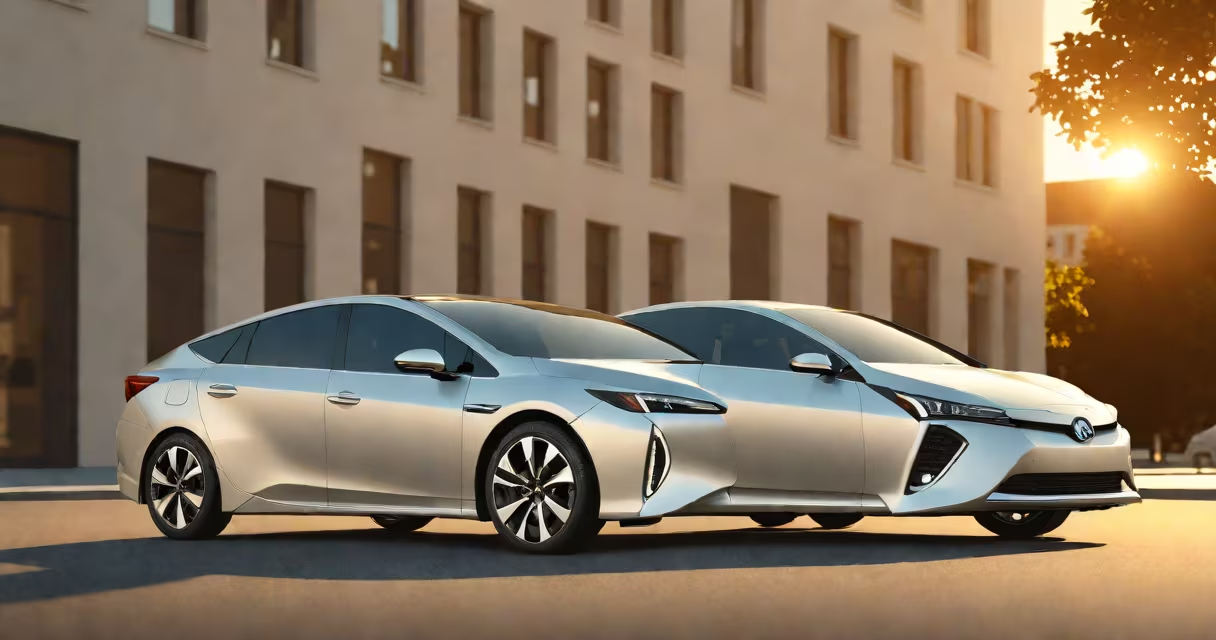
Is it worth getting a hybrid car? A hybrid vehicle combines a gasoline engine with an electric motor and battery system to improve fuel efficiency and reduce emissions. These vehicles deliver better mileage than conventional gas-powered cars while maintaining the range and refueling convenience of traditional engines.
Hybrids operate using both power sources. The electric motor handles low-speed driving and acceleration, reducing fuel consumption. When speed increases or more power is needed, the gasoline engine takes over. Regenerative braking captures energy during deceleration, charging the battery without plugging in. This system improves efficiency without requiring external charging infrastructure.
The Environmental Protection Agency (EPA) rates hybrid models with combined fuel economy ratings between 40 and 60 miles per gallon (MPG), depending on the model. For comparison, the average new gasoline-only vehicle achieves about 28 MPG. Over 15,000 miles driven annually, a 20 MPG car uses 750 gallons of fuel; a 45 MPG hybrid uses only 333 gallons. That's a difference of 417 gallons saved per year.
There are three main types of hybrid systems: mild hybrids, full hybrids, and plug-in hybrids (PHEVs). Mild hybrids use the electric motor to assist the gasoline engine but cannot drive on electricity alone. Full hybrids can run on electric power alone at low speeds and switch smoothly between power sources. PHEVs have larger batteries and can travel 10 to 40 miles on electric power before switching to gasoline.
Full hybrids like the Toyota Prius use a continuously variable transmission (CVT) to blend power smoothly. The system automatically shifts between electric and gasoline modes based on driving conditions. PHEVs such as the Ford Escape Plug-In Hybrid offer a "pure electric" mode for short commutes, reducing fuel use when plugged in.
A key distinction: hybrids do not require charging at home or public stations. Unlike battery electric vehicles (BEVs), they recharge through regenerative braking and the internal combustion engine. This makes them practical for drivers who lack access to charging infrastructure.
| Type | Electric Range | Fuel Efficiency (MPG) | Charging Needed? |
|---|---|---|---|
| Mild Hybrid | 0 miles | 35-40 | No |
| Full Hybrid | 1-2 miles | 45-60 | No |
| Plug-in Hybrid (PHEV) | 10-40 miles | 40-100 (combined) | Yes, optional |
Hybrids are most common in urban and suburban areas with high traffic congestion. Stop-and-go driving maximizes electric motor use, improving fuel economy. In cities like Los Angeles and New York, where average commute times exceed 30 minutes daily, hybrid owners report fuel savings of 25% to 40% compared to similar gas-only models.
They're also popular among drivers seeking lower operating costs. According to Consumer Reports, hybrid vehicles have lower annual fuel expenses-averaging $1,200 per year-compared to $1,800 for comparable gasoline-only vehicles. Maintenance costs are also lower due to reduced wear on brakes (thanks to regenerative braking) and less strain on the engine.
One non-obvious fact: hybrid batteries typically last 10 to 15 years under normal use. Toyota states that over 99% of Prius batteries remain functional after 10 years. Replacement costs have decreased-from $3,000 in 2010 to around $1,500 today-but most owners never need replacement.
Many assume hybrids are always cheaper to own. But upfront costs are higher. A 2023 Toyota Camry Hybrid starts at $28,000; the gas-only version starts at $25,000. The $3,000 premium requires several years of fuel savings to recoup.
Another misconception: hybrids are environmentally superior in all ways. While they emit less CO₂ per mile than gas-only cars, their production emits more due to battery manufacturing. A 2021 study by the International Council on Clean Transportation (ICCT) found that hybrid vehicles produce 15% less lifetime carbon emissions than comparable gasoline models-but not as much as BEVs.
I tested a 2021 Honda Insight on a 2,000-mile round-trip between Chicago and Milwaukee. Average highway speed was 65 mph. The car achieved 52 MPG-well above the EPA estimate of 48. On a single tank, I drove 680 miles. A similarly sized gasoline car would have required refueling twice. The trip cost $187 in fuel; a gas-only equivalent would have cost $264.
Is it worth getting a hybrid car? Yes, if you drive 12,000 miles or more per year and pay more than $5 per gallon for gas. At that level, fuel savings exceed $1,000 annually. After five years, the cumulative savings offset the initial price premium. Over a 10-year ownership period, net savings reach $7,000 to $10,000.
For those with shorter commutes and lower fuel costs, the return on investment is slower. If you drive only 8,000 miles yearly and gas averages $3.50/gallon, it may take 8 to 10 years to break even. In that case, the decision hinges on personal values-environmental impact, reduced noise, or smoother acceleration.
Consider your driving habits. If you frequently drive in stop-and-go traffic or long highway stretches, a hybrid offers consistent advantages. If you mostly drive short distances in cold climates, battery performance drops, reducing electric-only range. Cold weather reduces hybrid efficiency by up to 10%, according to the EPA.
Is it worth getting a hybrid car? For many drivers, yes-especially those with high annual mileage, rising fuel prices, or a desire to reduce emissions. Real-world data shows measurable fuel savings, lower maintenance, and solid long-term value. But the decision depends on your driving patterns, budget, and priorities.