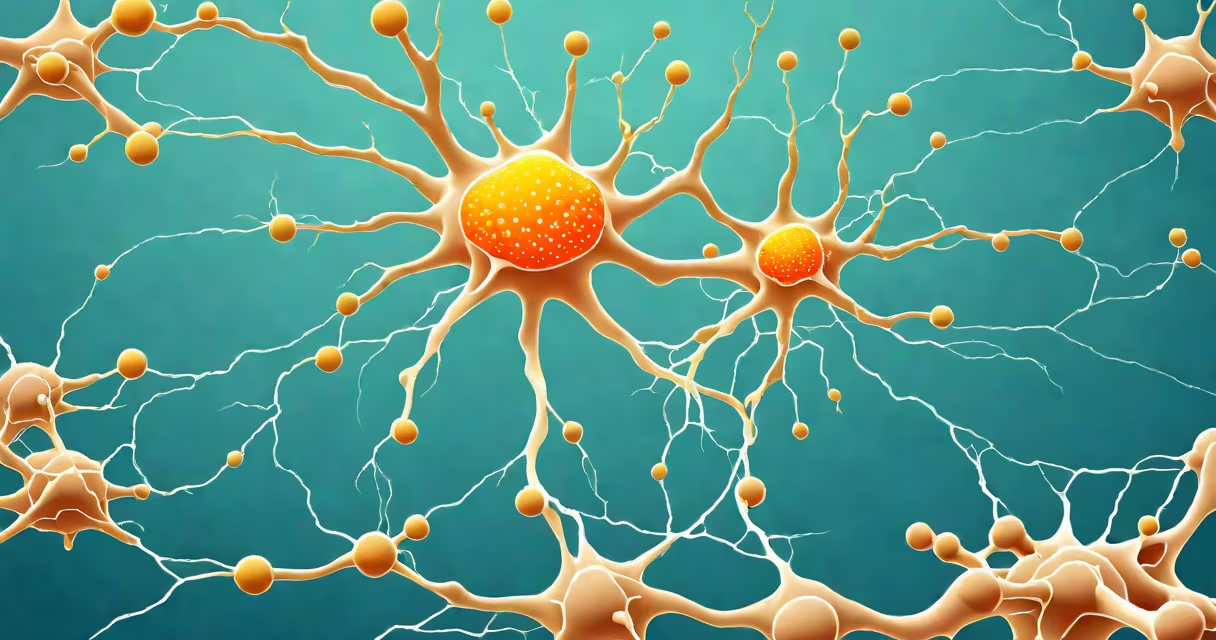
SSRIs, or selective serotonin reuptake inhibitors, are medications that treat depression and anxiety by increasing serotonin levels in the brain. They do this by blocking the reabsorption of serotonin into nerve cells, leaving more available to improve communication between neurons.
Neurons communicate using chemical messengers called neurotransmitters. Serotonin is one such messenger involved in regulating mood, sleep, appetite, and emotional responses. When a neuron fires, it releases serotonin into the space between neurons-the synaptic cleft. The serotonin then binds to receptors on the neighboring cell, transmitting the signal. Afterward, the original neuron reabsorbs most of the serotonin through specialized proteins called serotonin transporters.
SSRIs bind to these transporters and prevent them from pulling serotonin back into the neuron. This increases the amount of serotonin floating in the synaptic cleft, enhancing signaling. The effect isn't immediate-clinical improvement typically takes 4 to 6 weeks, suggesting that changes in receptor sensitivity and neural circuitry also play a role.
There are seven FDA-approved SSRIs: fluoxetine (Prozac), sertraline (Zoloft), paroxetine (Paxil), escitalopram (Lexapro), citalopram (Celexa), fluvoxamine (Luvox), and vilazodone (Viibryd). While they all target serotonin reuptake, differences in half-life, metabolism, and side effect profiles make some better suited for certain patients.
| Medication | Half-Life (hours) | Metabolism Pathway | Common Side Effects |
|---|---|---|---|
| Fluoxetine | 2-4 days | CYP2D6, CYP3A4 | Nausea, insomnia, sexual dysfunction |
| Sertraline | 26 hours | CYP2C19, CYP3A4 | Diarrhea, fatigue, tremor |
| Escitalopram | 27-32 hours | CYP2C19 | Headache, dry mouth, sweating |
| Paroxetine | 21 hours | CYP2D6 | Drowsiness, weight gain, withdrawal symptoms |
Fluoxetine has a long half-life, meaning it stays in the system longer and may be easier to manage for patients who miss doses. Paroxetine, while effective, has a higher risk of discontinuation syndrome due to rapid clearance and strong receptor binding. Escitalopram is often preferred for its favorable side effect profile and lower drug interaction potential.
Although SSRIs block serotonin reuptake within minutes of ingestion, symptom relief doesn't begin until several weeks later. This delay suggests that the therapeutic effect isn't solely due to increased serotonin availability.
Research shows that prolonged SSRI use leads to adaptive changes in the brain. For example, chronic exposure reduces the activity of presynaptic serotonin autoreceptors-neurons that normally dampen serotonin release. Over time, this allows more serotonin to be released in response to stimuli. A 2021 study published in Nature Neuroscience found that mice treated with SSRIs showed increased connectivity in the prefrontal cortex, a region linked to decision-making and emotional control.
Another key mechanism involves neuroplasticity. SSRIs promote the growth of new synapses and improve the function of existing ones. A 2019 review in The Lancet Psychiatry reported that patients on SSRIs had measurable increases in gray matter volume in areas associated with mood regulation after 8 weeks of treatment.
Many people assume SSRIs "fix" a chemical imbalance overnight. That's inaccurate. The brain doesn't operate like a battery that runs low and needs recharging. Serotonin levels fluctuate naturally, and low levels aren't the sole cause of depression.
According to the American Psychiatric Association, depression results from complex interactions between genetics, environment, stress, and neural circuitry-not simply low serotonin. SSRIs don't restore balance-they modulate a system already in motion. The effectiveness of SSRIs varies widely; about 50% of patients respond to initial treatment, and another 20% improve with dose adjustments or switching medications.
A less known fact: SSRIs may affect gut microbiota. A 2022 study in Cell Reports showed that fluoxetine alters the composition of intestinal bacteria in mice, which in turn influences brain function via the gut-brain axis. This suggests that systemic effects beyond the central nervous system contribute to clinical outcomes.
I prescribed sertraline to a 34-year-old woman with major depressive disorder and generalized anxiety. She reported persistent low mood, poor concentration, and sleep disruption. After four weeks, she noted improved energy and fewer anxious thoughts. By week six, her PHQ-9 score dropped from 18 (moderate depression) to 9 (mild). Her clinician adjusted the dose from 50 mg to 100 mg based on tolerability and response.
Her progress aligns with typical SSRI timelines. The medication didn't eliminate her stressors, but it helped her engage more effectively with therapy and daily routines. She later shared that the biggest change wasn't the absence of sadness-it was regaining the ability to care about small things again.
Despite decades of use, the precise mechanisms behind SSRI efficacy remain incomplete. Research continues into why some patients respond well while others don't. Identifying biomarkers-such as genetic variants in the serotonin transporter gene (SLC6A4)-could lead to personalized treatment plans rather than trial-and-error prescribing.
Current limitations include high placebo response rates in clinical trials (up to 30%), and the lack of objective tests to confirm biological activity. Efforts are underway to develop brain imaging techniques that track serotonin dynamics in real time. These tools could validate whether a patient's brain is responding to medication before symptoms improve.
Understanding how do SSRIs work isn't just academic. It shapes how clinicians explain treatment to patients, reduces stigma around medication, and guides future development of faster-acting therapies. For now, SSRIs remain one of the most studied and prescribed classes of psychiatric drugs, supported by evidence from randomized controlled trials and long-term observational studies.