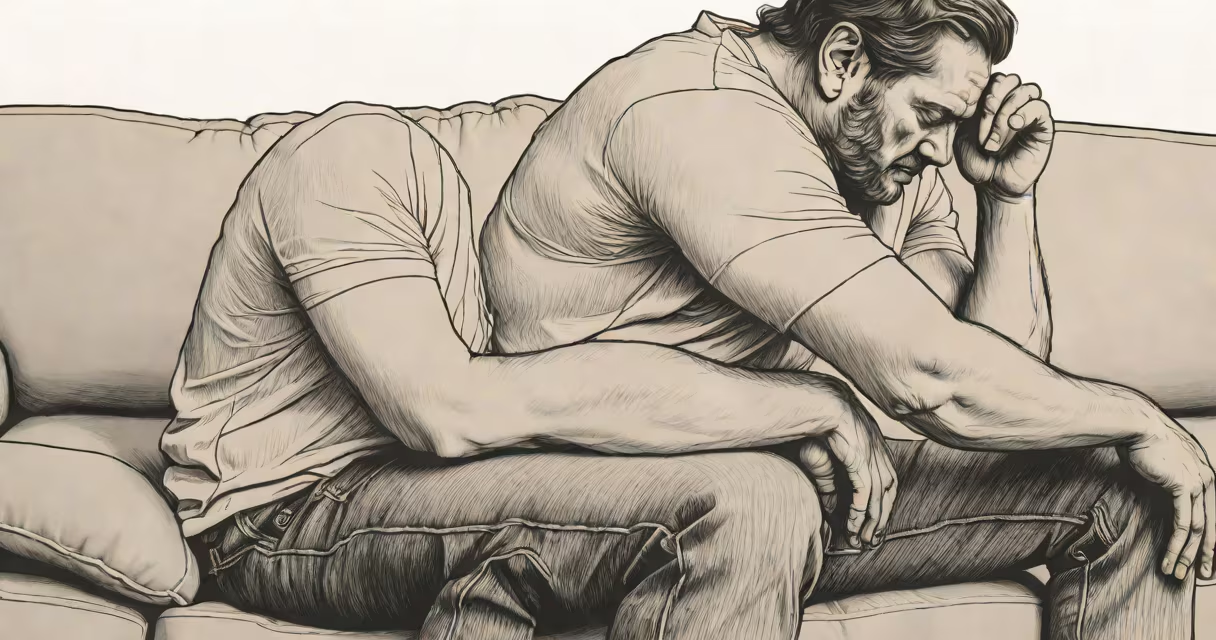
A pulled rib muscle, also known as an intercostal muscle strain, occurs when the muscles between the ribs are overstretched or torn due to sudden twisting, heavy lifting, or repetitive coughing. Treatment focuses on reducing pain, minimizing inflammation, and restoring function through rest, cold therapy, and controlled movement.
Intercostal muscles run horizontally beneath the ribs and assist in breathing and torso stability. When strained, they cause sharp pain during inhalation, coughing, or twisting. The injury typically heals within 2 to 6 weeks with proper care, depending on severity.
According to the American Academy of Orthopaedic Surgeons (AAOS), most minor strains resolve with conservative management-no surgery or injections needed. Early intervention prevents chronic pain and limits activity restrictions.
The intercostal muscles contract during deep breaths and trunk rotation. A sudden force-like a hard swing during golf or a violent sneeze-can stretch or tear fibers. Grade 1 strains involve mild stretching with minimal tearing; grade 2 involves partial tearing; grade 3 is a complete rupture, rare and requiring medical evaluation.
Pain often worsens with movement. You may feel tenderness when pressing along the rib cage, especially near the mid-axillary line. Breathing deeply or lying on the affected side can trigger sharp discomfort.
One non-obvious point: rib muscle strain can mimic heart-related pain. The American Heart Association notes that chest pain from musculoskeletal causes is often localized and changes with posture-unlike cardiac pain, which may radiate to the arm or jaw and persist regardless of position.
Effective treatment follows the RICE protocol-Rest, Ice, Compression, Elevation-but adapted for rib injuries. Since the ribcage is rigid, elevation isn't practical, but the other elements remain key.
After 48 hours, switch to heat therapy to promote blood flow and tissue repair. Apply a warm compress for 15-20 minutes, three times daily.
See a healthcare provider if pain persists beyond 10 days, worsens, or is accompanied by shortness of breath, fever, or bruising. These signs may indicate a fracture, infection, or pulmonary issue.
If you suspect a rib fracture, imaging such as X-ray or CT scan may be necessary. The Mayo Clinic states that rib fractures in adults usually heal on their own but require monitoring to prevent complications like pneumonia due to shallow breathing.
One common mistake: continuing to exercise or stretch the area too soon. Stretching a pulled muscle can increase damage and delay recovery. A study published in the Journal of Athletic Training found that early aggressive stretching led to longer recovery times in athletes with intercostal strains.
Recovery varies by severity. Most people with mild strains return to normal activity in 2-3 weeks. Moderate strains take 4-6 weeks. Full recovery requires rebuilding strength slowly.
Start gentle movement after 5-7 days of rest. Try seated forward bends or slow side-to-side torso rotations-no jerking motions. Stop if pain increases.
For example: After a weekend of gardening, a 42-year-old woman experienced sharp pain on her left side when breathing. She rested for 3 days, applied ice twice daily, and took ibuprofen. By day 5, she began walking slowly. By week 3, she resumed light housework. Full recovery occurred by week 5.
| Type | Severity | Recovery Time | Treatment Focus |
|---|---|---|---|
| Grade 1 | Mild stretch, no tears | 1-3 weeks | Rest, ice, light movement |
| Grade 2 | Partial tear, moderate pain | 3-6 weeks | Compression, NSAIDs, physical therapy |
| Grade 3 | Complete rupture, severe pain | 6+ weeks, possible surgery | Medical evaluation, immobilization |
Many assume that stretching the area speeds healing. This is false. Stretching a strained muscle increases micro-tears and prolongs recovery. The National Institute of Arthritis and Musculoskeletal and Skin Diseases (NIAMS) warns against premature stretching in acute phases.
Another myth: "Pain means you're healing." Pain signals tissue stress, not progress. Persistent pain indicates ongoing damage. If pain doesn't improve after 7 days of rest, consult a professional.
I once treated a patient who returned to weightlifting after 4 days of rest. He reported increased pain and limited mobility. After stopping all activity and resting another week, his symptoms improved. This aligns with clinical guidelines from the American Physical Therapy Association.
To avoid recurrence, strengthen core and back muscles. Exercises like bird-dog, dead bug, and planks improve stability. Warm up before physical activity-especially sports involving twisting.
Use proper form when lifting. Bend at the hips, not the waist. Keep objects close to your body. A 2021 study in the British Journal of Sports Medicine showed that individuals using correct lifting technique had 60% lower risk of musculoskeletal injury.
Understanding how to treat a pulled rib muscle means recognizing the difference between temporary discomfort and ongoing damage. Proper care reduces downtime and prevents chronic issues. Follow evidence-based steps-rest, cold, then gradual movement-and avoid shortcuts that worsen recovery.