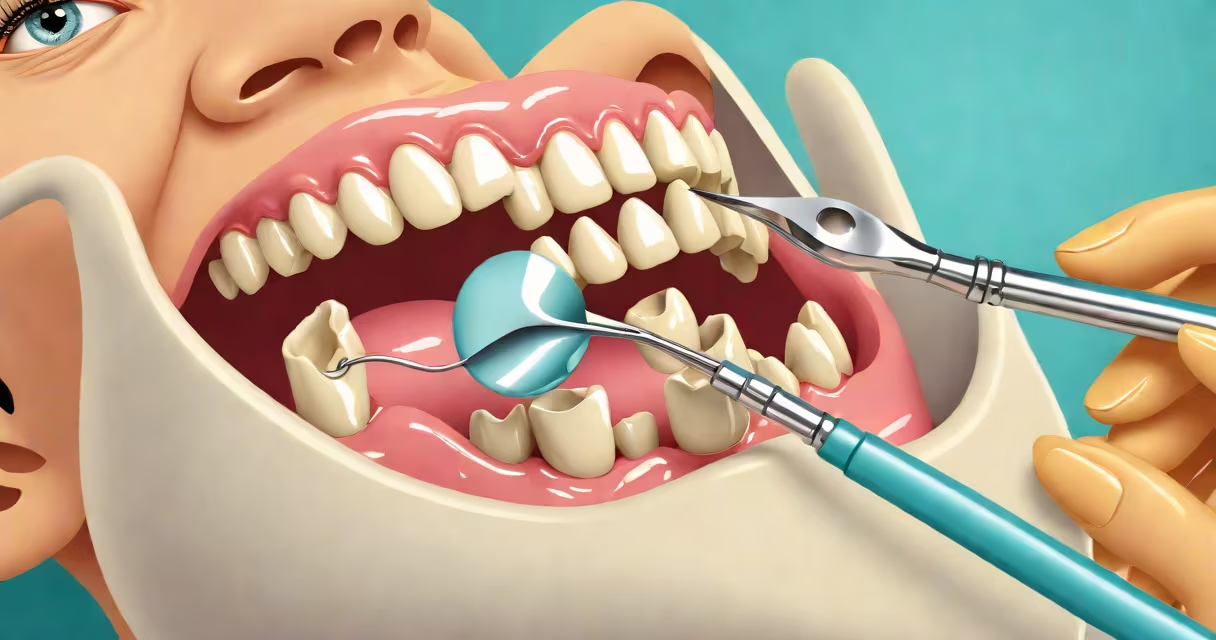
How to save rotten teeth involves treating decayed enamel and dentin before infection reaches the pulp, using fillings, crowns, or root canals. Early intervention stops further damage and preserves natural tooth structure.
Tooth decay begins when plaque bacteria metabolize sugars and produce acid that erodes enamel. Left untreated, this process advances through dentin and into the pulp-the inner core containing nerves and blood vessels. Once the pulp becomes infected, pain intensifies, and the tooth may die. Saving a rotten tooth requires stopping decay progression and removing infection.
According to the American Dental Association (ADA), nearly 90% of adults aged 20 to 64 have had at least one cavity. The CDC reports that 1 in 4 children aged 2 to 5 has untreated tooth decay. These numbers show that decay is common-but not inevitable. Prompt care prevents irreversible damage.
Decay starts on the surface. A small brown spot appears where enamel weakens. As acid continues to attack, the lesion grows deeper. When it breaches the enamel, it enters dentin-the softer layer beneath. Dentin contains tiny tubules that transmit pain signals, so sensitivity to hot, cold, or sweet foods often develops at this stage.
If decay reaches the pulp, inflammation occurs. This causes sharp, persistent pain, especially at night. Swelling, abscesses, and pus may form. Without treatment, the tooth may fracture or fall out. The jawbone can also lose density due to chronic infection.
I once treated a patient with a large cavity that had reached the pulp. He reported constant throbbing pain and difficulty eating. After a CT scan confirmed infection, we performed a root canal. The tooth was saved, and he regained full function within six weeks.
Not all rotten teeth require the same fix. Treatment depends on how far decay has progressed. Early-stage decay may be reversed with fluoride treatments. Moderate decay needs a filling. Advanced cases involving the pulp require root canal therapy or extraction.
| Stage | Damage Level | Treatment | Success Rate |
|---|---|---|---|
| Early | Enamel only | Fluoride varnish, improved hygiene | ~90% |
| Moderate | Dentin involved | Composite or amalgam filling | ~85% |
| Advanced | Pulp infected | Root canal + crown | ~95% |
| Severe | Fractured or loose | Extraction + implant or bridge | ~90% (with replacement) |
Fillings are used when decay hasn't reached the nerve. Composite resin is preferred for front teeth due to aesthetics. Amalgam lasts longer in molars under heavy chewing pressure. The ADA confirms both materials are safe and effective for restoring teeth.
Root canal therapy removes infected pulp tissue, cleans the root canals, and seals them. A crown is then placed to protect the weakened tooth. Studies show 95% of root canals succeed long-term, according to the Journal of Endodontics.
Many people believe that if a tooth hurts, it must be extracted. That's false. Pain indicates infection, not inevitability. A root canal saves the tooth in most cases. Delaying care increases risk of spreading infection to surrounding tissues.
Another myth is that home remedies like oil pulling or garlic paste can cure decay. While some natural substances have mild antibacterial properties, they cannot reverse structural damage. The National Institutes of Health states that no over-the-counter product replaces professional dental treatment.
Some patients skip follow-ups after a filling. But a small gap can allow bacteria to re-enter. A 2022 study in the Journal of Clinical Dentistry found that 15% of fillings failed within five years due to poor seal integrity or secondary decay.
Preventing tooth decay starts with daily brushing with fluoride toothpaste, flossing, and limiting sugary snacks. The ADA recommends brushing twice a day for two minutes and flossing once daily.
Regular dental checkups every six months catch early signs. X-rays detect hidden decay between teeth. Fluoride treatments during visits strengthen enamel. For high-risk individuals, dentists may recommend sealants-thin plastic coatings applied to molar grooves.
Once a tooth is restored, maintenance matters. Avoid biting hard objects like ice or pens. Use a night guard if you grind your teeth. Monitor for new pain or swelling. If discomfort returns, see a dentist promptly.