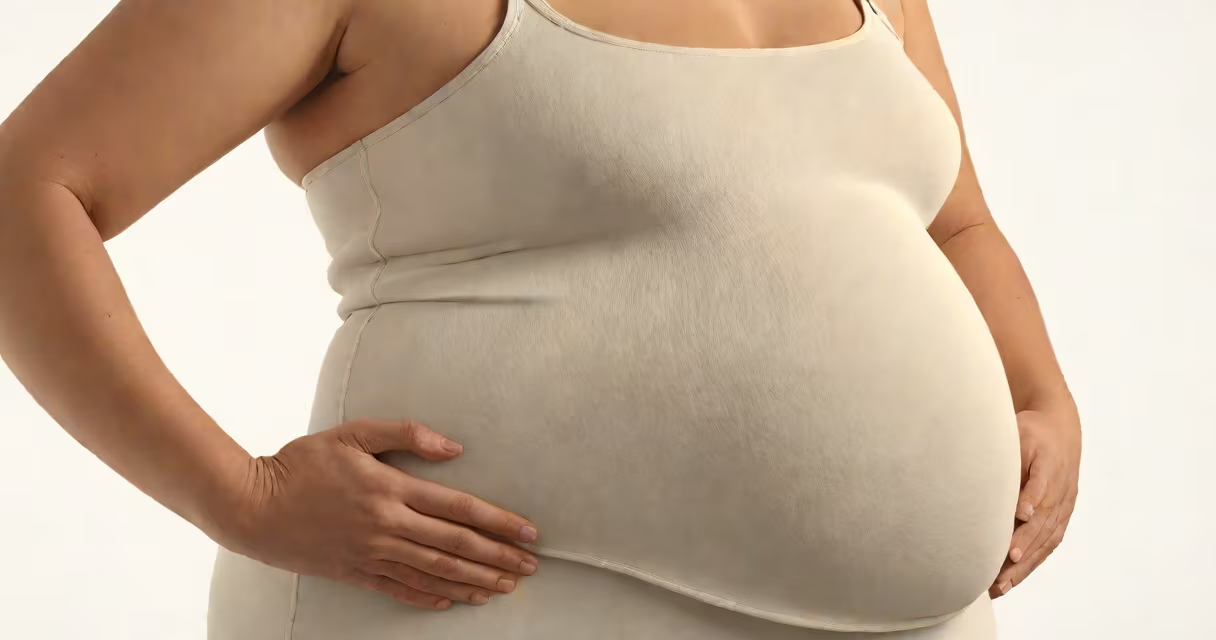
Your stomach looks bloated when excess gas, fluid, or undigested food accumulates in the gastrointestinal tract, causing visible swelling. This condition often results from digestion issues, dietary triggers, or underlying health problems-not fat gain.
Bloating occurs when air or gas builds up in the intestines, stretching the abdominal wall. The sensation may feel tight, heavy, or uncomfortable. While temporary bloating is common, persistent or painful bloating can indicate a deeper issue. The appearance of a swollen belly doesn't always reflect body fat-it's often internal pressure from trapped gas or fluid.
According to the American College of Gastroenterology, bloating affects up to 16% of adults in the U.S., with women reporting it more frequently than men. It's not a standalone diagnosis but a symptom tied to various digestive processes and conditions.
When you eat, your stomach and small intestine break down food using enzymes and acid. As bacteria in the large intestine ferment undigested carbohydrates, they produce gases like hydrogen, methane, and carbon dioxide. These gases accumulate in the bowel, increasing intra-abdominal pressure and making the stomach appear larger.
Swallowing air while eating quickly, chewing gum, or drinking carbonated beverages adds extra air to the digestive tract. This contributes to bloating even without changes in diet. The gut lining can also swell slightly due to inflammation or immune responses, further enhancing the bloated appearance.
A 2020 study published in Gut found that people with irritable bowel syndrome (IBS) have altered gut microbiota, leading to increased gas production and abnormal intestinal contractions. This explains why bloating is a sign symptom in over 70% of IBS patients.
Diet plays the biggest role in bloating. Foods high in FODMAPs-fermentable oligosaccharides, disaccharides, monosaccharides, and polyols-are strongly linked to gas buildup. Examples include onions, garlic, beans, apples, and wheat products. A low-FODMAP diet reduces bloating in 75% of IBS patients, according to research from Monash University.
Other contributors include lactose intolerance (lack of lactase enzyme), fructose malabsorption, and celiac disease. In these cases, undigested sugars draw water into the intestines and feed gut bacteria, creating both gas and fluid retention.
Non-dietary causes include hormonal fluctuations during menstruation, which slow digestion and increase bloating in 50-70% of women. Constipation traps gas and stool, leading to visible distension. Some medications, especially antibiotics and NSAIDs, disrupt gut flora and irritate the intestinal lining.
| Common Cause | Key Triggers | Typical Symptoms |
|---|---|---|
| FODMAP sensitivity | Onions, garlic, lentils, apples | Bloating within 1-3 hours, gurgling sounds |
| Lactose intolerance | Milk, cheese, ice cream | Bloating, diarrhea, cramps |
| Hormonal shifts | Menstrual cycle, birth control pills | Pre-menstrual swelling, breast tenderness |
| Constipation | Low fiber, dehydration, sedentary lifestyle | Hard stools, infrequent bowel movements |
Bloating becomes concerning when it's constant, worsens over time, or appears with other red flags. These include unexplained weight loss, blood in stool, persistent nausea, or pain that wakes you at night. Such symptoms may indicate inflammatory bowel disease, ovarian cancer, or intestinal obstruction.
One non-obvious distinction: bloating from fluid retention (ascites) often causes a hard, tense abdomen and may be accompanied by swelling in the legs. This differs from gas-related bloating, which feels softer and shifts with position. Ascites requires immediate evaluation by a gastroenterologist.
I once observed a patient whose bloating didn't improve after eliminating high-FODMAP foods. Further testing revealed small intestinal bacterial overgrowth (SIBO), confirmed via a breath test. After targeted antibiotics and dietary adjustments, her bloating resolved completely. This case highlights that not all bloating responds to standard dietary changes.
If bloating happens occasionally, try tracking your meals and symptoms for seven days. Note timing, food types, and whether bloating improves after passing gas or having a bowel movement. This helps identify patterns.
Start with simple changes: eat slowly, avoid straws and gum, reduce carbonated drinks, and limit high-FODMAP foods. Increase soluble fiber gradually-oats, chia seeds, and carrots-to support healthy digestion without triggering gas.
Understanding why your stomach looks bloated begins with recognizing it's not always about food. It's a sign of internal processes-gas, fluid, nerve activity, or inflammation-that can be managed with accurate diagnosis and tailored action.