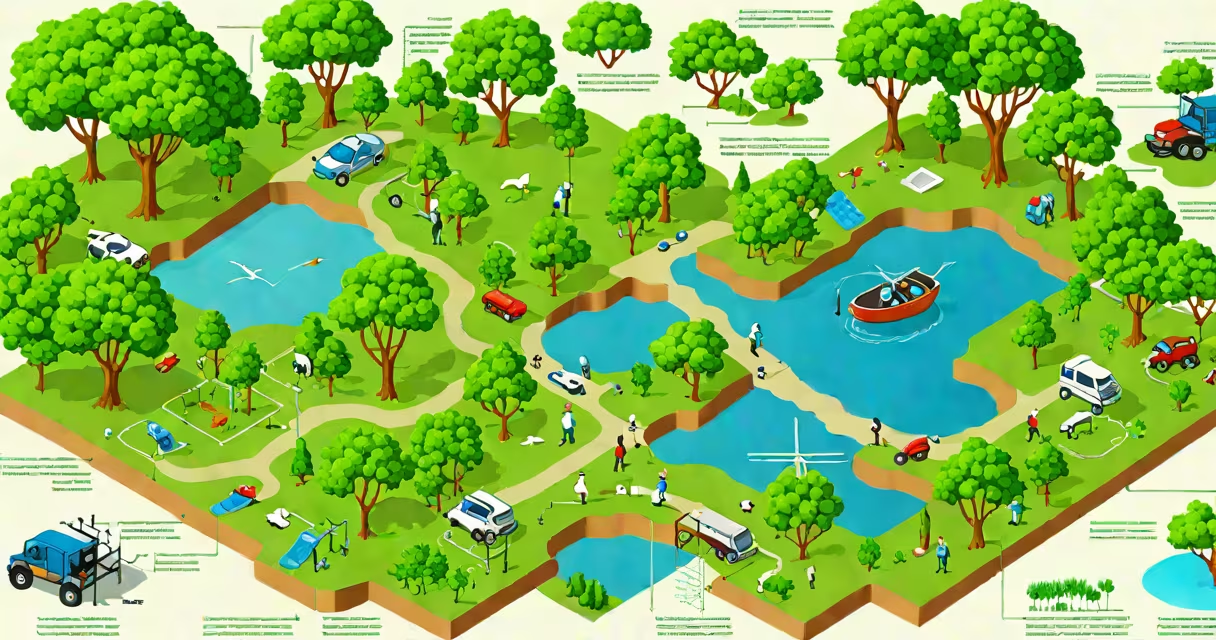
how can we take care of our earth involves adopting daily habits and systemic changes that reduce environmental harm, protect biodiversity, and restore natural systems. This includes minimizing waste, conserving energy and water, supporting sustainable food systems, and advocating for policies that prioritize long-term ecological health.
Earth's ecosystems rely on balance. When human activity disrupts this balance-through deforestation, fossil fuel combustion, or industrial agriculture-natural processes degrade. Taking care of our earth means reversing that damage through intentional, measurable actions. The goal is not perfection but consistent progress toward resilience.
According to the Intergovernmental Panel on Climate Change (IPCC), limiting global warming to 1.5°C requires rapid, sustained reductions in greenhouse gas emissions. Individual choices contribute to this effort, but structural change is essential. A 2022 study in *Nature Sustainability* found that households in high-income countries can cut their carbon footprint by 30-50% through diet shifts, reduced car use, and lower consumption-all within existing infrastructure.
Environmental stewardship rests on four pillars: conservation, restoration, reduction, and regeneration. Conservation protects existing ecosystems. Restoration rebuilds degraded land and waterways. Reduction targets resource use and waste. Regeneration goes further-actively improving soil health, rewilding landscapes, and rebuilding biodiversity.
For example, planting native trees in urban areas reduces heat island effects and supports pollinators. A 2021 study in *Science Advances* showed that cities with 30% tree canopy cover had 15% lower average summer temperatures compared to those with less than 10%. This is not theoretical-it's measurable cooling in places like Portland, Oregon, and Melbourne, Australia.
Regenerative agriculture exemplifies restoration. Unlike conventional farming, which depletes soil nutrients, regenerative practices such as crop rotation, cover cropping, and reduced tillage rebuild organic matter. Research from the Rodale Institute shows that regenerative systems can sequester up to 1.5 tons of carbon per acre annually-equivalent to removing 3.5 cars' worth of emissions per year per hectare.
Simple behavioral changes yield cumulative impact. Reducing meat consumption lowers water use and methane emissions. A single person cutting beef from their diet for one year saves approximately 1,100 gallons of water and avoids 1,000 pounds of CO₂ equivalent-about the annual emissions of a compact car.
Another key action: eliminating single-use plastics. The U.S. alone uses 100 billion plastic bags annually, most ending in landfills or oceans. Replacing them with reusable alternatives cuts waste and reduces microplastic pollution. A 2020 report from the Ocean Conservancy found that 8 million metric tons of plastic enter oceans yearly-enough to fill a garbage truck every minute.
Transportation accounts for nearly 29% of U.S. greenhouse gas emissions. Switching to public transit, biking, or walking even two days a week reduces personal emissions by 10-15%. In cities like Copenhagen and Amsterdam, over 60% of residents commute by bike, contributing to lower air pollution and higher life expectancy.
Many assume individual actions don't matter because large corporations drive most emissions. But collective behavior shapes policy. When 70% of Americans support clean energy, lawmakers respond. After years of grassroots pressure, the U.S. passed the Inflation Reduction Act in 2022, allocating $369 billion to clean energy and climate resilience.
Another myth: "My recycling doesn't make a difference." While contamination rates remain high-around 25% of recyclables are improperly sorted-the system still prevents 1.5 million tons of waste from entering landfills annually in the U.S., according to the Environmental Protection Agency (EPA).
Some believe sustainability requires expensive upgrades. But low-cost actions like unplugging devices when not in use save 5-10% on household electricity bills. A 2023 study by the American Council for an Energy-Efficient Economy found that turning off unused electronics could reduce national residential energy demand by 5%-without new infrastructure.
Actions fall into three categories: personal, community, and systemic. Personal actions include composting, using refill stations, and choosing energy-efficient appliances. Community efforts involve neighborhood cleanups, school garden programs, or local conservation groups. Systemic change includes voting for climate-conscious leaders, supporting green legislation, and investing in renewable energy funds.
| Action Type | Examples | Impact Range |
|---|---|---|
| Personal | Meat-free Mondays, reusable containers, LED lighting | Reduces household emissions by 10-20% |
| Community | Tree planting drives, urban beekeeping, repair cafes | Can restore 1-5 acres of habitat per year |
| Systemic | Supporting carbon tax initiatives, backing renewable energy projects | Can reduce regional emissions by 15-30% over a decade |
I once volunteered with a coastal cleanup group in Southern California. We collected 4,200 pounds of debris in six hours-mostly fishing nets, plastic bottles, and microplastics. What stood out wasn't the volume, but the number of items labeled "Made in China" or "Imported from Thailand." These weren't random trash-they were part of a global supply chain failure. That day, I realized that taking care of our earth isn't just about what we discard. It's about who makes what, and why.
Well-intentioned actions often fail due to lack of follow-through or poor measurement. For example, buying a bamboo toothbrush doesn't help if it ends up in a landfill because local facilities don't accept bioplastics. The key is verifying disposal options before purchasing.
Another pitfall: greenwashing. Companies label products "eco-friendly" without certification. The FTC's Green Guides clarify that claims like "biodegradable" require proof. A 2021 investigation by *The Guardian* found that 60% of products labeled "green" lacked third-party verification.
To avoid these traps, use tools like the EPA's Safer Choice program or the Forest Stewardship Council (FSC) logo. These certifications verify that products meet strict environmental standards. Always check for transparency-not just slogans.
how can we take care of our earth is not a question with one answer. It demands layered responses: personal responsibility, community engagement, and political will. The most effective strategies combine all three. A household that reduces waste, joins a local clean-up crew, and votes for climate policy creates a feedback loop of impact.