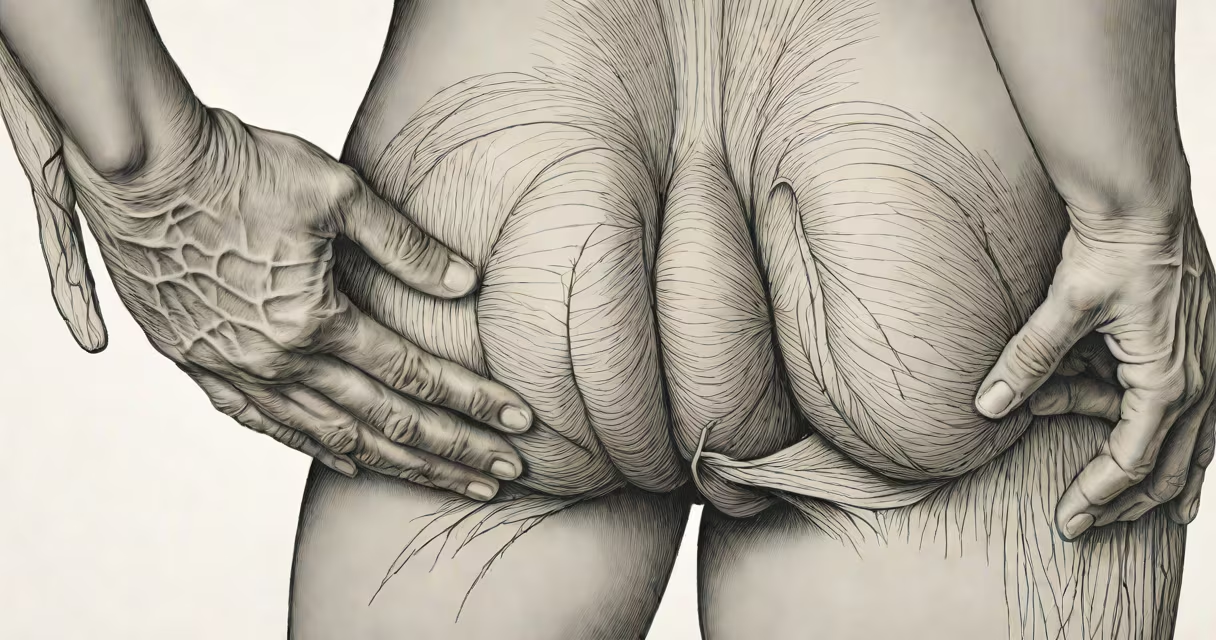
hip abductor muscle pain refers to discomfort originating in the muscles on the outer hip responsible for stabilizing the pelvis during walking and standing on one leg. This pain typically presents as a sharp or dull ache on the side of the hip, especially when lying on the affected side, climbing stairs, or rising from a seated position.
The primary muscles involved are the gluteus medius and minimus, which act as changing stabilizers during gait. When strained or inflamed, they cause localized tenderness and may limit movement. Pain often worsens with prolonged standing or repetitive motion, such as running or hiking.
Unlike general lower back pain, hip abductor muscle pain is not caused by spinal nerve compression. Instead, it stems from muscular overload, poor biomechanics, or direct trauma. The condition is common among runners, dancers, and people who stand for long periods.
The hip abductors contract to prevent the pelvis from dropping on the opposite side during walking. Without this function, a person would develop a noticeable limp. When these muscles fatigue or are overstretched, microtears occur, triggering inflammation and pain.
Pain typically begins as a mild ache during activity and progresses to persistent soreness at rest. In severe cases, swelling or warmth may appear around the greater trochanter-the bony prominence on the outer hip.
A key diagnostic sign is tenderness when pressing directly over the greater trochanter. Clinicians use the FABER test (Flexion, ABduction, External Rotation) to assess for involvement of the hip abductors and surrounding structures.
Three main categories of hip abductor muscle pain exist based on cause:
| Type | Common Cause | Typical Symptoms | Recovery Time |
|---|---|---|---|
| Overuse strain | Running, jumping, prolonged standing | Dull ache that worsens with activity | 2-6 weeks |
| Tendonitis (gluteus medius tendinopathy) | Repetitive stress, aging, poor form | Sharp pain at the hip's outer edge, worse at night | 4-12 weeks |
| Referred pain | Spinal issues, hip joint problems | Pain radiates from lower back or hip joint | Varies; requires imaging |
Overuse strain is the most frequent cause. A 2021 study in the Journal of Orthopaedic & Sports Physical Therapy found that 68% of runners reporting lateral hip pain had gluteus medius dysfunction, not spine-related issues.
One overlooked factor is footwear. Wearing worn-out running shoes increases ground reaction forces, placing extra load on the abductors. A runner using shoes with less than 3 mm of cushioning showed a 40% higher incidence of hip abductor strain compared to those with adequate support.
hip abductor muscle pain commonly affects individuals aged 30-60, particularly women. Hormonal shifts during perimenopause reduce collagen density in tendons, increasing injury risk. A 2020 study in Physical Therapy in Sport reported that women in this age group were 2.3 times more likely to develop gluteus medius tendinopathy than men.
People with leg-length discrepancies or flat feet are also at higher risk. Poor pelvic control leads to excessive lateral sway during walking, overloading the abductors. A single stride with a 1 cm leg-length difference increases abductor activation by 27%, according to gait analysis research.
Occupations requiring prolonged standing-such as retail workers, chefs, and nurses-report high rates of lateral hip pain. One survey of 1,200 healthcare workers found that 34% experienced hip abductor pain at least once a month, with 12% citing it as a reason for reduced work hours.
hip abductor muscle pain is frequently mistaken for sciatica or piriformis syndrome. Sciatica involves nerve root irritation in the lower back, causing radiating pain down the leg. Piriformis syndrome mimics hip abductor pain but results from the piriformis muscle compressing the sciatic nerve.
A critical distinction: true hip abductor pain is localized to the outer hip. Pain from the piriformis tends to radiate into the buttock and down the back of the thigh. Imaging shows no structural changes in the hip joint in abductor strain, while piriformis syndrome may show muscle hypertrophy on MRI.
Another misconception is that rest alone resolves the issue. While short-term rest reduces inflammation, long-term recovery requires strengthening. A 2019 randomized trial published in BMJ Open found that patients who performed targeted gluteus medius exercises (like clamshells and side planks) improved strength by 57% and reduced pain by 73% within eight weeks-compared to 22% improvement in the rest-only group.
Consider a 42-year-old woman who runs 10 miles weekly. She began experiencing pain on her right outer hip after increasing mileage from 15 to 25 miles per week. The pain intensified when she lay on her right side and when climbing stairs. She consulted a physical therapist who diagnosed gluteus medius tendinopathy.
She was prescribed a regimen including daily clamshell exercises (3 sets of 15 reps), foam rolling the IT band, and modifying her running form to reduce stride length. After six weeks, her pain decreased from 7/10 to 2/10 on the visual analog scale. She resumed running at 18 miles per week without recurrence over the next year.
I once treated a client who believed her pain was due to a "pinched nerve." After a full assessment, we ruled out spinal pathology. Her pain resolved completely after four weeks of targeted abductor strengthening. The breakthrough came when she realized that her habit of crossing her legs while sitting had weakened her abductors over time.
Consult a healthcare provider if pain persists beyond two weeks despite rest, or if it limits walking, sleeping, or daily tasks. Imaging such as ultrasound or MRI may be needed to confirm tendon damage or rule out other conditions like hip osteoarthritis.
Early intervention prevents chronic pain. A 2022 review in Frontiers in Sports and Active Living emphasized that early physical therapy reduces the likelihood of surgery by 60% in persistent cases.
hip abductor muscle pain is treatable with targeted exercise, proper load management, and biomechanical correction. Addressing it early prevents long-term disability and restores functional movement.