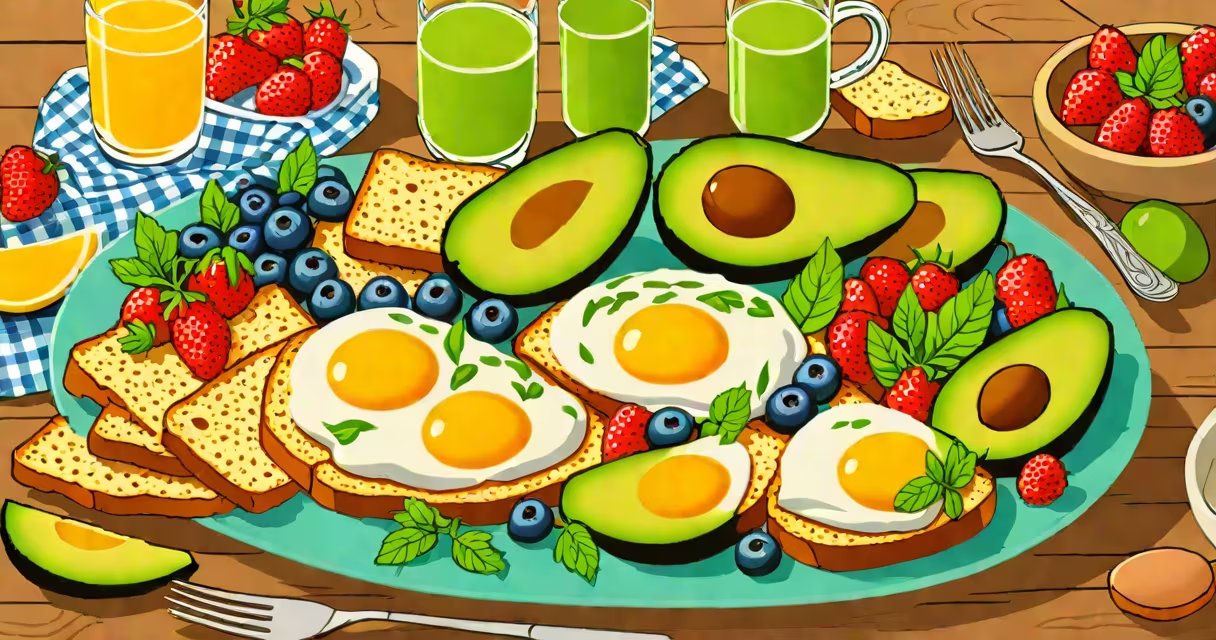
Healthy things to have for breakfast are nutrient-dense foods that combine protein, fiber, healthy fats, and complex carbohydrates to sustain energy, support metabolism, and improve focus through mid-morning. These foods prevent blood sugar spikes and reduce cravings later in the day.
Breakfast sets the metabolic tone for the rest of the day. A meal rich in quality protein and low-glycemic carbs stabilizes insulin levels and keeps hunger at bay. The American Heart Association notes that skipping breakfast correlates with higher risks of obesity and heart disease, while consistent morning eating improves cognitive performance and mood regulation.
Examples include scrambled eggs with spinach, overnight oats with chia seeds and mixed berries, Greek yogurt with walnuts and honey, and whole grain toast topped with mashed avocado and a poached egg. These combinations provide sustained energy and promote satiety.
These meals function by balancing macronutrients. Protein slows digestion, preventing rapid glucose release. Fiber from whole grains and fruits delays sugar absorption. Healthy fats from nuts, seeds, and avocados support brain function and hormone balance.
A 2021 study published in The Journal of Nutrition found that participants who ate a high-protein breakfast reported lower hunger scores and consumed fewer calories at lunch compared to those who ate a low-protein meal. This effect lasted throughout the day.
For example, a breakfast of two eggs, half an avocado, and one slice of sourdough toast delivers about 35 grams of protein, 12 grams of fiber, and 20 grams of healthy fat. This combination supports muscle maintenance, gut health, and mental clarity.
Breakfast foods fall into four functional categories based on their primary benefit:
| Type | Key Nutrients | Best For | Example |
|---|---|---|---|
| Protein-rich | Lean protein, B vitamins, iron | Fullness, muscle repair, stable energy | Hard-boiled eggs, cottage cheese, tofu scramble |
| Fiber-focused | Soluble fiber, antioxidants, polyphenols | Gut health, blood sugar control | Overnight oats, chia pudding, bran cereal |
| Healthy fat-based | Monounsaturated and omega-3 fats | Brain function, inflammation reduction | Avocado toast, nut butter on apple slices, trail mix |
| Complex carb sources | Resistant starch, B vitamins | Endurance, sustained energy | Steel-cut oats, sweet potato hash, quinoa porridge |
Combining types increases benefits. A bowl of steel-cut oats with almond butter, chia seeds, and blueberries offers protein, fiber, healthy fats, and antioxidants-all in one serving.
People choose healthy breakfasts to manage weight, regulate mood, and prevent chronic conditions. The Centers for Disease Control and Prevention reports that adults who eat breakfast regularly are 30% less likely to develop type 2 diabetes.
Busy professionals often rely on grab-and-go options like pre-made smoothie packs or single-serve Greek yogurt cups. These save time but require label reading to avoid added sugars. A 2022 analysis by the Harvard T.H. Chan School of Public Health found that 78% of store-bought yogurts contain more than 10 grams of added sugar per serving.
I once prepared a batch of savory chickpea flour pancakes for my family during a weekend. They were high in fiber and plant protein, held up well to reheating, and kept everyone full until lunch. The recipe took 15 minutes to prep and used pantry staples. It became a weekly staple.
Many assume that "healthy" means low-fat or sugar-free. But removing fat can increase carbohydrate intake, leading to insulin resistance. A smoothie made with fruit juice, banana, and protein powder may seem nutritious but can spike blood sugar due to lack of fiber and fat.
Another misconception is that breakfast must be hot. Cold options like overnight oats or chia pudding are equally effective and often easier to prepare in advance. A 2020 study in Nutrition Today showed that cold breakfasts had similar satiety ratings as hot ones when macronutrient profiles were matched.
Some confuse "breakfast" with "quick snacks." A granola bar labeled "natural" may contain 15 grams of sugar and refined flour. Always check the ingredient list. Real healthy things to have for breakfast prioritize whole foods over processed formats.
When choosing healthy things to have for breakfast, aim for variety. Rotate between protein-heavy, fiber-rich, and fat-based meals to cover essential nutrients. A daily menu that includes eggs, leafy greens, berries, nuts, and whole grains aligns with dietary guidelines from the USDA's MyPlate structure.
Understanding what healthy things to have for breakfast truly means avoids marketing traps. Focus on food quality, not labels. Prioritize foods that you can identify by name-like almonds, oats, or kale-over products with unpronounceable ingredients.
Healthy things to have for breakfast aren't about perfection. They're about consistency, balance, and listening to your body's signals. Build a routine that fits your life-not a rigid diet.