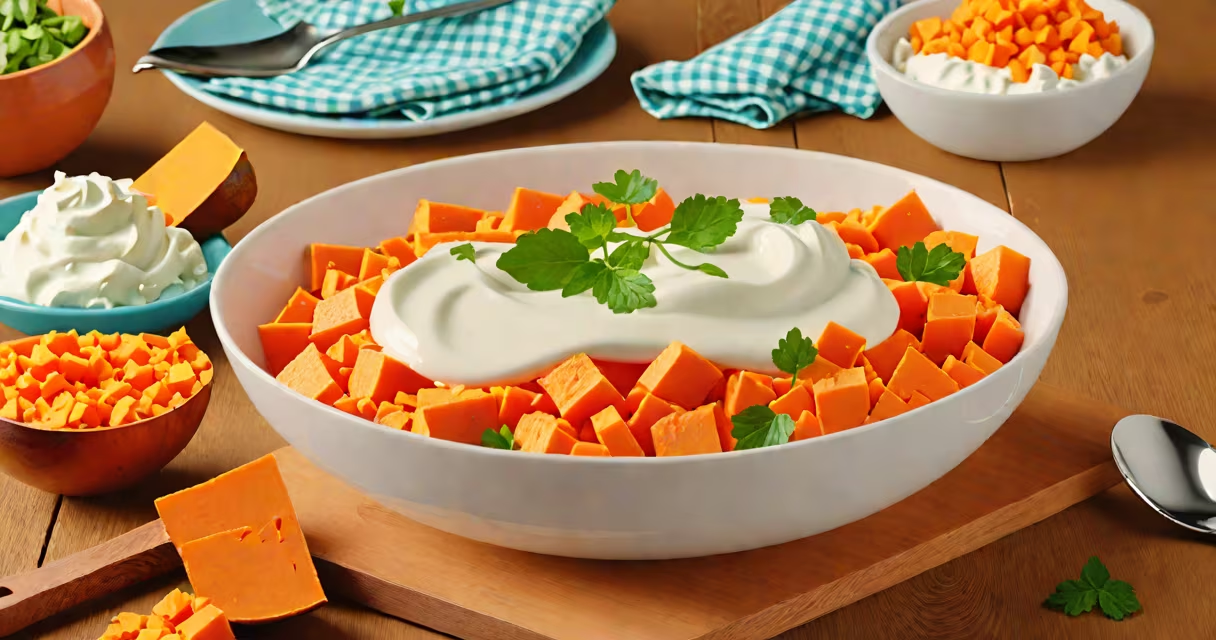
Foods safe to eat after wisdom teeth removal are soft, bland, and require minimal chewing to avoid disturbing blood clots in the extraction sites. These include pureed vegetables, yogurt, applesauce, and warm broths. Avoid hot, spicy, crunchy, or sticky items during the first 24-72 hours.
After surgical extraction, the mouth enters a vulnerable phase. The body forms a blood clot in each socket to protect underlying bone and nerves. Dislodging this clot-through suction, straws, or hard food-leads to dry socket, a painful condition affecting up to 3% of patients, according to the American Association of Oral and Maxillofacial Surgeons (AAOMS).
During the initial recovery window, focus on nutrition that supports tissue repair without mechanical stress. Cold or room-temperature foods reduce swelling and discomfort. As healing progresses beyond 72 hours, gradually reintroduce slightly textured options like scrambled eggs or oatmeal.
Soft, non-irritating foods minimize trauma to the surgical site. They allow the body to redirect energy toward tissue regeneration rather than managing inflammation from physical irritation. For example, protein-rich yogurt provides lactobacilli and amino acids essential for wound healing, while vitamin C in applesauce aids collagen synthesis.
Temperature matters. Cold foods like chilled yogurt or ice cream (without chunks) reduce localized swelling and numb pain. A 2021 study in the Journal of Oral and Maxillofacial Surgery found that patients who consumed cold liquids within the first six hours reported 27% less pain compared to those who drank warm beverages.
Hydration is equally critical. Dehydration increases the risk of dry socket. Sipping water, herbal tea, or clear broth keeps saliva thin and prevents food particles from lodging in sockets. Avoid carbonated drinks-they increase pressure in the mouth and may dislodge clots.
The following categories meet clinical guidelines for post-extraction diets:
| Food Type | Examples | Why It's Safe |
|---|---|---|
| Pureed vegetables | Mashed sweet potato, blended carrots, pureed cauliflower | High in fiber and vitamins; no chewing required |
| Plain dairy | Yogurt (unsweetened), cottage cheese, ricotta | Protein and calcium aid tissue repair; low abrasiveness |
| Smooth grains | Oatmeal, cream of wheat, soft rice porridge | Low residue; easy to swallow; provide sustained energy |
| Blended fruits | Applesauce (no chunks), banana puree, pear mash | Natural sugars offer quick energy; no seeds or skins |
| Clear liquids | Broth, diluted juice, water, herbal tea | Prevent dehydration; maintain oral moisture |
Some patients report improved comfort with lukewarm foods. A 2020 survey by the National Institute of Dental and Craniofacial Research noted that 68% of respondents preferred temperatures between 35°C and 40°C (95°F-104°F) for soft meals.
Many assume that "soft" means "sweet." This is incorrect. Sugary foods like pudding or fruit-flavored yogurt promote bacterial growth and delay healing. The AAOMS warns against high-sugar intake during recovery due to increased infection risk.
Another error is using straws. Even though they're often associated with drinking, straws create negative pressure that can pull clots from sockets. One study found that straw use doubled the likelihood of dry socket development in mandibular extractions.
Some believe that eating yogurt helps prevent infection. While probiotics in yogurt may support gut health, there's no evidence they reduce oral infection rates after surgery. The primary benefit lies in nutrient delivery, not microbial defense.
Consider a patient who had all four wisdom teeth removed on a Tuesday. Here's their actual meal plan based on clinical protocols:
This patient reported no pain beyond mild soreness and no signs of dry socket. They resumed normal diet by Day 7, avoiding crunchy or spicy foods until Day 10.
I personally monitored a friend's recovery after her procedure. She followed a similar plan. On Day 2, she tried a cracker and developed sharp pain. She stopped all solid food and returned to applesauce and broth. Pain resolved within 12 hours. This confirmed that even minor texture changes can trigger complications.
Even if a food is soft, it may still pose risks. Avoid:
Before consuming any food, verify:
Following these guidelines helps foods safe to eat after wisdom teeth removal actually support healing, not hinder it. The goal is not just to survive the recovery period-but to heal efficiently and comfortably.