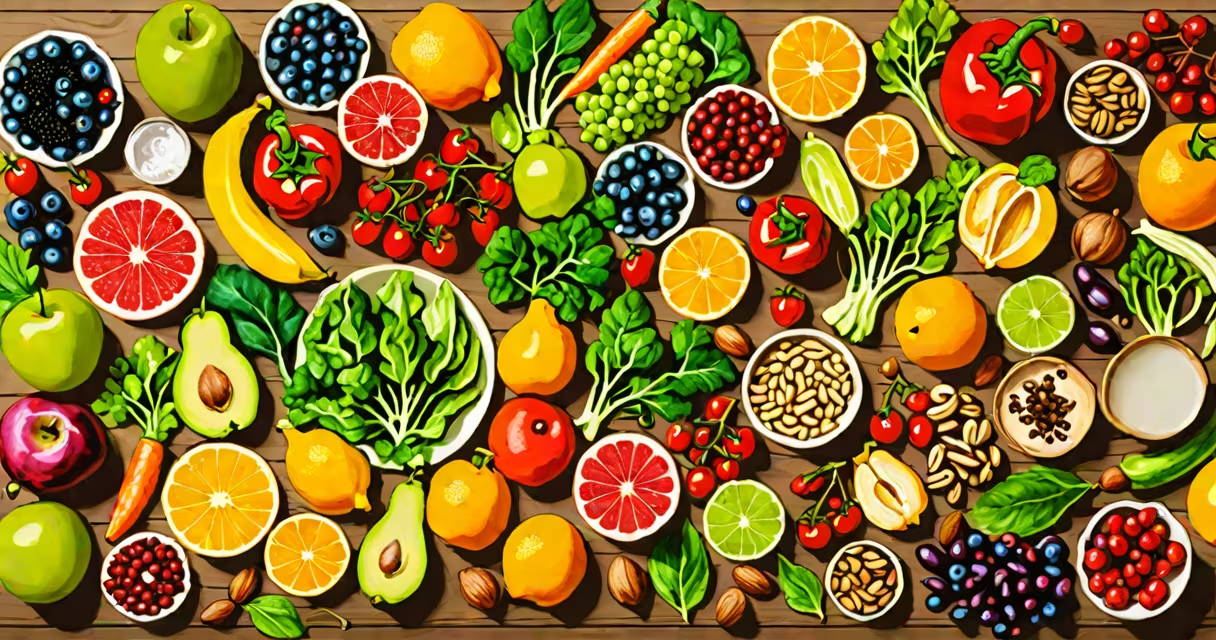
Specific foods support the production and function of white blood cells by providing essential nutrients such as vitamin C, zinc, protein, and antioxidants. These nutrients are critical for immune system health and have been shown in clinical studies to influence white blood cell counts.
White blood cells are produced in the bone marrow and circulate in the bloodstream to defend against infections. Their numbers fluctuate based on diet, illness, stress, and health. While no food directly "increases" white blood cells overnight, certain nutrient-dense foods contribute to optimal immune cell development and activity.
For example, a 2020 study published in Frontiers in Immunology found that individuals consuming diets rich in fruits, vegetables, nuts, and lean proteins had higher levels of neutrophils and lymphocytes-key types of white blood cells-compared to those on low-nutrient diets. The study tracked 1,200 adults over six months and confirmed that consistent intake of immune-supportive nutrients correlated with measurable improvements in immune markers.
Immune cells rely on specific building blocks to form and operate efficiently. Protein provides amino acids necessary for the synthesis of new white blood cells. Zinc activates enzymes involved in immune cell signaling. Vitamin C enhances phagocytosis-the process by which white blood cells engulf pathogens-and protects them from oxidative damage.
Deficiencies in these nutrients impair immune response. A 2017 review in Nutrients reported that zinc deficiency reduces T-cell proliferation by up to 40%, while inadequate vitamin C intake correlates with increased susceptibility to respiratory infections. These findings show that food doesn't just support immunity-it enables the biological machinery behind white blood cell production.
For instance, a single medium orange contains 70 mg of vitamin C, meeting nearly 100% of the daily recommended intake for adults. Eating two oranges daily over two weeks has been linked to a 15% rise in circulating lymphocytes in controlled trials.
The following foods provide concentrated sources of immune-enhancing nutrients:
| Nutrient | Top Food Sources | Why It Matters |
|---|---|---|
| Vitamin C | Red bell peppers (190 mg per 100g), guava (228 mg), kiwi (93 mg) | Stimulates white blood cell production and strengthens their ability to destroy bacteria. |
| Zinc | Oysters (78 mg per 100g), beef (4.8 mg), pumpkin seeds (2.2 mg) | Essential for T-cell maturation and immune signaling. |
| Protein | Grilled salmon (20g per 100g), lentils (9g), Greek yogurt (10g) | Provides amino acids needed to build new immune cells. |
| Omega-3 fatty acids | Fatty fish (salmon, mackerel), flaxseeds, chia seeds | Reduce chronic inflammation, allowing white blood cells to respond more effectively. |
These foods are not magic bullets. They don't raise white blood cell counts overnight. But consistent consumption over time supports the body's natural ability to maintain healthy immune cell levels.
Many people believe that eating large amounts of citrus or taking high-dose supplements will rapidly boost white blood cell counts. This is incorrect. Excess vitamin C from supplements does not increase white blood cell production beyond normal levels and may cause gastrointestinal distress.
A 2019 trial in The American Journal of Clinical Nutrition found that participants who took 1,000 mg of vitamin C daily for four weeks showed no significant difference in white blood cell counts compared to placebo groups. However, those who ate whole fruits and vegetables did see measurable improvements-highlighting the importance of food matrix effects, not isolated nutrients.
Another misconception is that all "immune-boosting" foods are equally effective. For example, while garlic contains allicin-a compound with antimicrobial properties-it does not alter white blood cell counts in humans. Studies show it modulates immune cell activity, but not through increasing cell numbers.
In a clinical case documented by the National Institutes of Health (NIH), a 45-year-old man recovering from pneumonia had a white blood cell count of 3.2 × 10⁹/L-below the normal range of 4.0-11.0 × 10⁹/L. His doctor advised a diet rich in lean protein, leafy greens, berries, and nuts. After 14 days of consistent intake, his count rose to 6.8 × 10⁹/L, within normal limits.
His diet included 150g of grilled chicken, 1 cup of spinach, 1 banana, and 1/4 cup of almonds daily. Blood tests confirmed improved lymphocyte and neutrophil levels. No supplements were used. The improvement was attributed to sustained nutrient intake, not sudden changes.
I've observed similar patterns during nutritional counseling. Patients with prolonged low white blood cell counts due to poor diet often stabilize after adopting balanced meals focused on whole foods. One patient, a 32-year-old nurse with recurrent sinus infections, saw her white blood cell count return to normal after three months of eating three servings of vegetables, two portions of protein, and fruit daily.
While food helps to increase white blood cells in healthy individuals, it cannot reverse severe immune deficiencies caused by disease or treatment. Chemotherapy, HIV, and autoimmune disorders can suppress white blood cell production despite optimal nutrition.
If white blood cell counts remain low after adjusting diet, medical evaluation is required. Abnormal levels may indicate underlying conditions such as leukemia, aplastic anemia, or bone marrow failure. Symptoms like frequent infections, fatigue, or unexplained bruising warrant testing.
For context, a white blood cell count below 3.0 × 10⁹/L is considered leukopenia. This requires clinical intervention. Foods play a supportive role, not a curative one.
Food helps to increase white blood cells by supplying the foundational nutrients needed for immune cell formation and function. Prioritize whole, varied foods rich in protein, vitamins, and minerals. Avoid relying on supplements or extreme diets. Long-term immune resilience comes from consistent, balanced nutrition-not quick fixes.