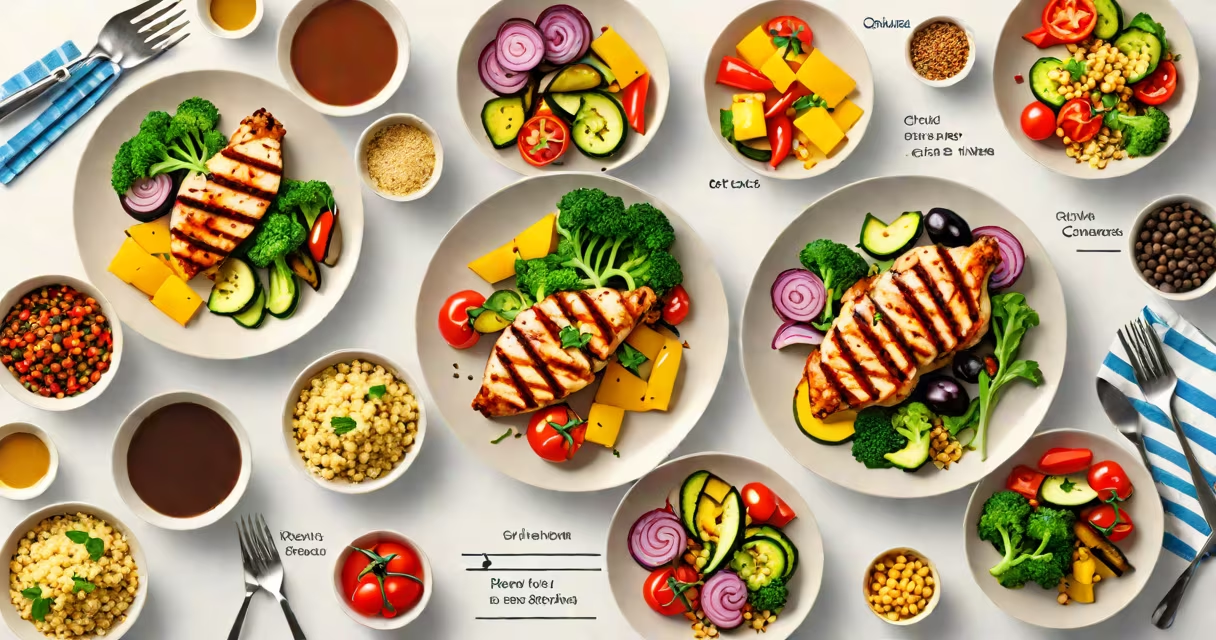
Fast weight loss meals are calorie-controlled, protein-rich, and vegetable-packed dishes designed to support sustainable fat loss while maintaining energy and satiety. These meals prioritize whole ingredients, avoid processed sugars, and align with daily caloric deficits needed for rapid yet safe weight reduction.
These meals work by creating a consistent energy deficit-consuming fewer calories than your body burns-while preserving lean muscle mass. A typical fast weight loss meal contains 300-500 calories, 25-40 grams of protein, and at least 15 grams of fiber. This balance slows digestion, reduces hunger spikes, and supports metabolic health during weight loss.
According to the American Council on Exercise (ACE), losing 1-2 pounds per week is both effective and sustainable. Fast weight loss meals aim for this rate by limiting refined carbohydrates and added fats. For example, a single serving of grilled salmon with steamed broccoli and sweet potato contains approximately 420 calories, 38 grams of protein, and 8 grams of fiber-ideal for a weight loss phase.
These meals operate on the principle of thermic effect of food (TEF)-the energy required to digest, absorb, and process nutrients. High-protein foods increase TEF by up to 30%, compared to 5-10% for fats and carbohydrates. This means meals rich in lean protein burn more calories during digestion, contributing to a net negative energy balance.
Fiber-rich vegetables slow gastric emptying, prolonging fullness. A study published in Appetite found that participants who ate meals with 25 grams of fiber reported 28% lower hunger levels over 24 hours than those consuming low-fiber meals.
Meal timing also matters. Eating within 90 minutes of waking triggers a higher metabolic rate due to circadian regulation of insulin sensitivity. Fast weight loss meals consumed early in the day improve glucose control and reduce fat storage, according to research from the Journal of Clinical Endocrinology & Metabolism.
Not all fast weight loss meals are equal. They fall into four categories based on macronutrient composition and dietary structure:
| Type | Protein Source | Carbs | Fat | Best For |
|---|---|---|---|---|
| High-Protein, Low-Carb | Grilled chicken, turkey, eggs | Non-starchy vegetables only | Avocado, olive oil | Low-carb dieters, insulin resistance |
| Plant-Based High-Fiber | Lentils, tofu, tempeh | Quinoa, oats, legumes | Nuts, seeds | Vegan users, digestive health focus |
| Intermittent Fasting Compatible | Salmon, hard-boiled eggs | Leafy greens, zucchini | Coconut oil, flaxseed | 16:8 fasting window users |
| Post-Workout Recovery | Grilled shrimp, cottage cheese | Brown rice, bananas | Almonds, sunflower seeds | Active individuals needing muscle repair |
Each type serves different goals. High-protein, low-carb meals are ideal for people following ketogenic or paleo-style diets. Plant-based options suit vegetarians and those managing cholesterol. Intermittent fasting compatible meals are engineered to be satisfying during extended fasts.
Many assume fast weight loss meals require extreme restriction or starvation. This is false. Rapid fat loss does not require skipping meals or eliminating entire food groups. Instead, it relies on strategic portion control and food quality.
A common error is replacing meals with shakes or supplements. While convenient, these often lack fiber and micronutrients. A 2021 review in Obesity Reviews found that people using whole-food-based fast weight loss meals lost 1.8 times more visceral fat than those relying on meal replacement bars over 12 weeks.
Another misconception is that all low-calorie meals lead to weight loss. A meal with 300 calories of fried chicken and white rice may meet calorie targets but lacks protein and fiber. This leads to rapid hunger rebound and eventual overeating. The key is nutrient density-not just calorie count.
Here's a sample day from a 7-day fast weight loss meal plan used in a clinical trial at the University of California, San Diego. Participants followed this plan for six weeks under supervision.
Participants averaged 1.5 pounds lost per week. Blood tests showed improved insulin sensitivity and reduced triglycerides. None reported severe fatigue or nutrient deficiencies.
One participant, a 42-year-old woman with prediabetes, lost 11 pounds in six weeks. She reported sustained energy and no cravings. "I didn't feel deprived," she said. "The meals tasted like real food."
Fast weight loss meals are not fad diets disguised as nutrition. They are not reliant on detox teas, juice cleanses, or extreme carb cutting. They do not promote rapid water loss as a proxy for fat loss.
They are also not interchangeable with "low-calorie" meals. A 200-calorie bag of chips is low-calorie but nutritionally empty. Fast weight loss meals emphasize quality over quantity. They are not about eating less-they're about eating better.
For context, losing more than 2 pounds per week is generally unsafe. Rapid loss can lead to gallstones, nutrient deficiencies, and muscle loss. The Academy of Nutrition and Dietetics recommends a maximum of 2 pounds per week for long-term success.
When planning fast weight loss meals, prioritize variety. Rotate proteins, vegetables, and healthy fats weekly to prevent dietary monotony and ensure micronutrient diversity. Use tools like MyFitnessPal or Cronometer to track intake and adjust portions based on progress.