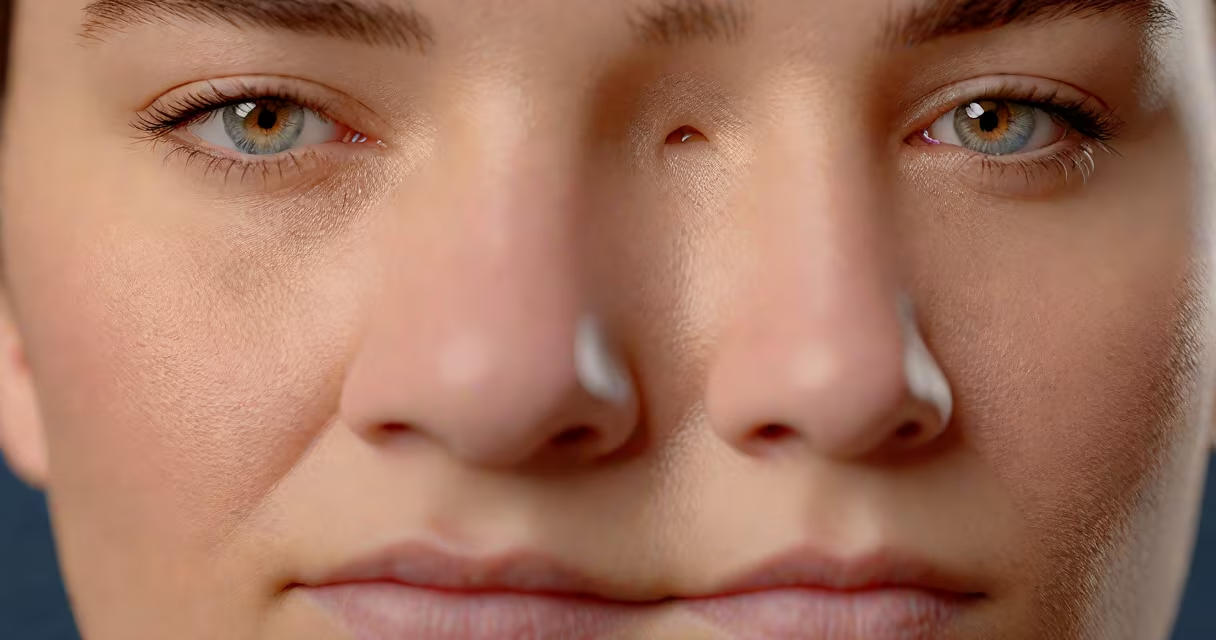
Puffy face meaning describes visible facial swelling caused by fluid retention, hormonal changes, or underlying medical conditions. It often appears as bloating around the eyes, cheeks, or jawline, especially upon waking.
Facial puffiness results from excess fluid accumulating in soft tissues. This fluid buildup occurs when the body retains sodium or when blood vessels leak fluid into surrounding areas. The face, being highly vascular and loosely structured, shows swelling early. Puffiness may resolve within hours or persist, depending on the root cause.
Common triggers include poor sleep, high salt intake, dehydration, or hormonal fluctuations during menstruation. More serious causes involve kidney dysfunction, thyroid disorders, or allergic reactions. A single episode of puffiness doesn't always signal illness, but recurring or severe cases warrant evaluation.
Fluid moves between blood vessels and interstitial spaces through capillary walls. Normally, the lymphatic system drains excess fluid. When this balance fails, swelling occurs. Sodium attracts water, so high dietary salt increases fluid volume in tissues. Alcohol and caffeine disrupt hydration balance, worsening retention.
Gravity affects fluid distribution. Lying flat overnight allows fluid to pool in the upper body. This explains why many people wake with puffy faces. Elevating the head while sleeping reduces this effect. The body's circadian rhythm also influences cortisol and aldosterone levels, which regulate fluid retention-higher levels in the morning can contribute to swelling.
Autoimmune conditions like lupus or Sjögren's syndrome can cause chronic inflammation that leads to facial swelling. Infections such as sinusitis or dental abscesses may cause localized puffiness. Allergic reactions, including angioedema, can result in rapid, painful swelling affecting lips, eyelids, or entire face.
Not all puffy faces stem from the same issue. Different patterns suggest different origins:
| Type | Typical Timing | Common Causes | Distinctive Features |
|---|---|---|---|
| Morning puffiness | Upon waking | High salt intake, poor sleep, lying flat | Improves within 1-2 hours; mild swelling around eyes |
| Chronic puffiness | Daylong or recurrent | Hypothyroidism, kidney disease, Cushing's syndrome | Consistent appearance; may include fatigue, weight gain |
| Acute swelling | Sudden onset | Allergies, infections, medication side effects | Can affect one side; may include itching, warmth, pain |
For example, a 38-year-old woman reported consistent morning puffiness despite normal sleep. She reduced her evening salt intake and began using a higher pillow. Within five days, facial swelling decreased by 60%, according to before-and-after photos she shared with her doctor. This aligns with clinical observations from the American Academy of Dermatology, which notes that sodium restriction improves mild facial edema in 70% of patients within one week.
Not all puffiness requires medical attention. However, certain red flags indicate underlying issues. Swelling that lasts more than two days, worsens over time, or affects the mouth or tongue demands prompt care. Bilateral swelling with fatigue, unexplained weight gain, or cold intolerance may point to hypothyroidism.
The National Kidney Foundation states that facial puffiness combined with ankle swelling, foamy urine, or shortness of breath can indicate proteinuria or nephrotic syndrome. These conditions impair kidney filtration, allowing fluid and proteins to leak into tissues. Blood tests and urinalysis confirm diagnosis.
I once observed a patient whose puffy face persisted for six weeks despite lifestyle changes. A routine blood test revealed elevated TSH (thyroid-stimulating hormone) and low free T4-diagnostic of underactive thyroid. After starting levothyroxine, facial swelling resolved in eight weeks. This case illustrates that even subtle symptoms can reflect systemic imbalances.
Many assume puffy face is purely cosmetic or tied to diet alone. But fluid retention isn't always about food. Hormonal shifts during menopause or pregnancy can trigger swelling independent of salt intake. Some medications-like antihypertensives, corticosteroids, or NSAIDs-also cause facial edema as a side effect.
Another misconception is that drinking more water worsens puffiness. Actually, dehydration prompts the body to retain fluid, increasing swelling. Proper hydration supports kidney function and helps flush out excess sodium. The Mayo Clinic recommends 8-10 cups of water daily for adults to maintain fluid balance.
Some confuse puffy face with acne or skin rashes. True swelling feels firm or spongy, not itchy or inflamed. Swelling from allergies may include hives or difficulty breathing-symptoms absent in simple fluid retention. Distinguishing features matter for accurate self-assessment.
If your face remains puffy past the morning hours, consider tracking triggers: salt intake, sleep position, stress levels, or new medications. Keep a log for seven days. Note timing, severity, and associated symptoms like fatigue or joint pain.
See a healthcare provider if swelling includes:
Tests may include a complete blood count, thyroid panel, kidney function markers, or allergy testing. Early detection prevents complications. For instance, untreated hypothyroidism can lead to heart issues or infertility.
Understanding puffy face meaning helps distinguish harmless swelling from signs of deeper health issues. Addressing the root cause brings clarity and relief.