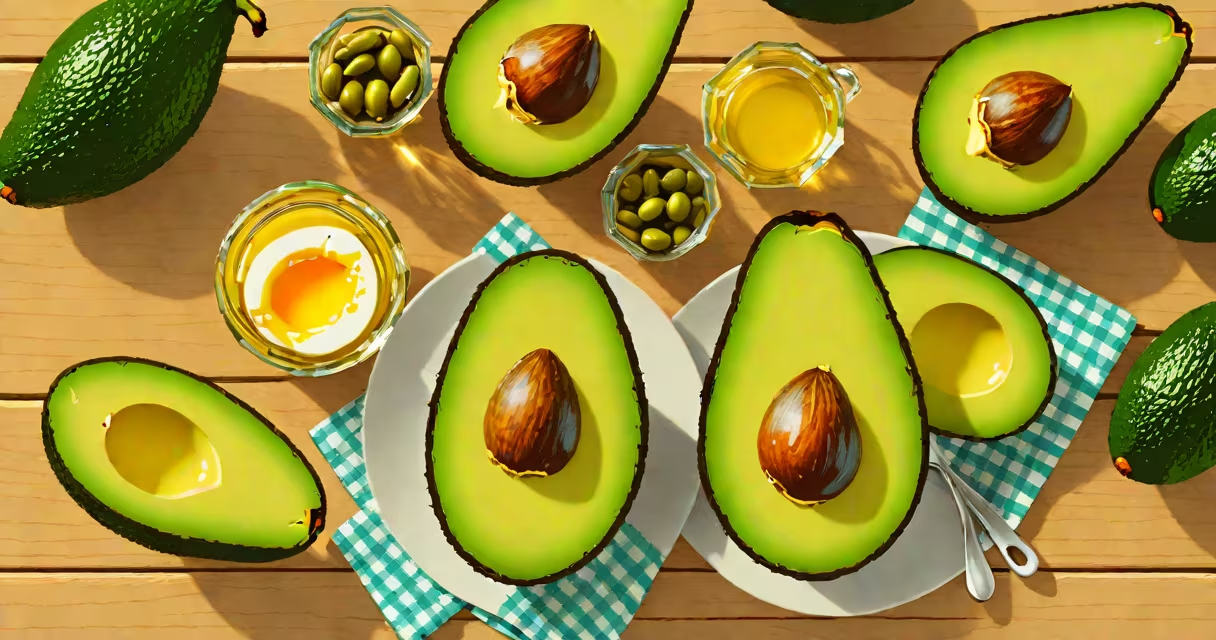
The idea that eating fat leads to weight loss-commonly summarized as "eat fat get thin"-is a misinterpretation of nutritional science. Fat consumption does not automatically trigger fat burning. Weight loss results from sustained calorie deficit, hormonal regulation, and metabolic adaptation, not dietary fat alone.
Proponents of "eat fat get thin" often cite low-carbohydrate diets like keto, which increase fat intake while reducing carbs. These diets can lead to rapid initial weight loss, primarily due to water and glycogen depletion-not fat loss. Over time, weight reduction occurs when energy intake remains below expenditure, regardless of macronutrient composition.
Research from the National Institutes of Health confirms that fat intake alone doesn't dictate body fat levels. A 2018 randomized controlled trial published in JAMA Internal Medicine found no significant difference in long-term weight loss between high-fat and low-fat diets when calories were matched.
The human body uses fat for fuel through a process called beta-oxidation. This happens primarily during fasting, prolonged exercise, or when carbohydrate availability drops. The liver converts fatty acids into ketone bodies, which supply energy to the brain and muscles.
Ketosis-a metabolic state where the body burns fat for fuel instead of glucose-can occur on very low-carb diets. However, achieving ketosis requires restricting carbohydrates to under 50 grams per day, not simply increasing fat intake. A single meal of buttered toast won't induce ketosis.
For example, a person consuming 2,000 kcal/day with 70% from fat (140g fat) and 10% from carbs (50g) may enter mild ketosis. But if their total caloric intake exceeds energy needs, they still gain fat. Fat is energy-dense-9 kcal per gram-so excess fat intake contributes to surplus energy.
Different fats affect metabolism differently. Saturated fats (found in butter, red meat) have been linked to increased LDL cholesterol, though recent studies show mixed effects on heart disease risk. Monounsaturated fats (olive oil, avocados) and polyunsaturated fats (fatty fish, flaxseed) support insulin sensitivity and reduce inflammation.
| Fat Type | Primary Sources | Metabolic Effect |
|---|---|---|
| Saturated | Butter, beef, coconut oil | May raise LDL; neutral effect on weight when consumed in moderation |
| Monounsaturated | Olive oil, nuts, avocado | Supports insulin function; associated with lower cardiovascular risk |
| Polyunsaturated | Fish, walnuts, sunflower seeds | Reduces triglycerides; essential for cell membrane integrity |
Not all fats are equal. Replacing trans fats and refined vegetable oils with whole-food fats improves metabolic health-but does not guarantee weight loss without calorie control.
"Eat fat get thin" is often confused with the concept of dietary thermogenesis-the energy cost of digesting food. Protein has the highest thermic effect (20-30%), followed by carbs (5-10%), and fat (0-3%). So even if fat is "low-effort" to metabolize, it doesn't mean eating more fat burns more calories.
A key misunderstanding is equating fat intake with fat loss. In reality, fat is stored when energy intake exceeds output. A study in Cell Metabolism showed that mice fed a high-fat diet gained weight only when total calories exceeded daily needs-even with identical protein and carb levels.
Another myth: that high-fat diets suppress appetite. While fat-rich meals can increase satiety due to slower digestion, this effect varies by individual. Some people report reduced hunger on high-fat diets, but others experience increased cravings-especially if the diet lacks fiber and micronutrients.
Consider a 40-year-old woman weighing 180 lbs who follows a ketogenic diet. She eats 1,800 kcal/day: 150g fat (1,350 kcal), 50g protein (200 kcal), and 20g carbs (80 kcal). Her total intake is below maintenance, so she loses weight.
She loses 10 lbs in 8 weeks. But the weight loss isn't caused by eating fat-it's due to a consistent calorie deficit. When she increases her fat intake to 200g while keeping calories stable, weight loss stalls. Her body adapts, and fat storage resumes if intake exceeds output.
This illustrates that fat intake doesn't drive fat loss. Energy balance does. Even on keto, weight loss stops if calories aren't managed.
Weight gain stems from chronic positive energy balance, not specific foods. According to the Centers for Disease Control and Prevention, obesity rates rose steadily from 1999 to 2020 despite shifts in dietary advice-including the rise of low-carb and high-fat trends.
True fat loss requires consistent calorie deficit, regular physical activity, and sustainable eating patterns. Focusing solely on fat intake distracts from proven strategies: tracking intake, prioritizing whole foods, and managing portion size.
"eat fat get thin" oversimplifies complex physiology. Fat is essential for hormone production, nutrient absorption, and brain function. But eating more fat won't make you thinner unless your total energy intake is below your body's needs.