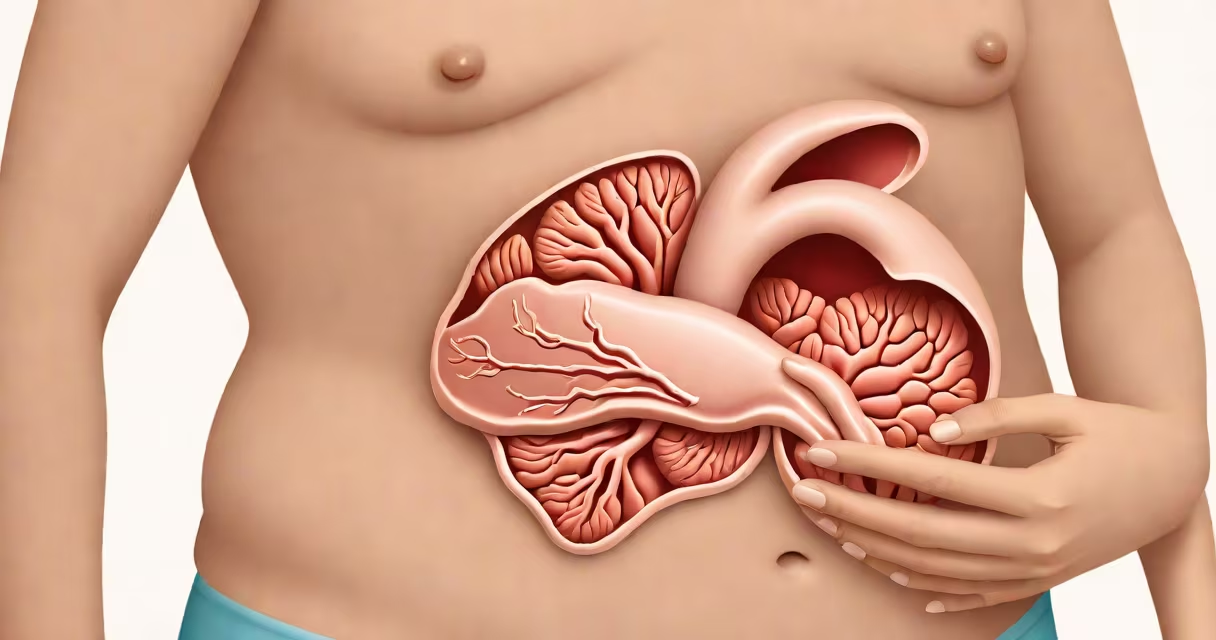
A dull aching pain in the left side of the abdomen is a persistent discomfort localized to the left lower or mid-abdominal region, often described as a steady ache rather than sharp or intermittent stabbing. It may last hours to days and typically worsens with movement, eating, or pressure. This symptom signals underlying physiological activity-not just minor discomfort-and requires evaluation to rule out serious conditions.
The sensation arises from structures in the left half of the abdominal cavity, including parts of the colon, spleen, left kidney, and reproductive organs in individuals assigned female at birth. Unlike sudden sharp pains, this type of pain develops gradually and persists beyond typical digestion-related cramps. It's not always tied to bowel movements or meals, which distinguishes it from acute gastrointestinal distress.
According to the American College of Gastroenterology, persistent left-sided abdominal pain accounts for approximately 15% of outpatient gastroenterology visits. While many cases are benign, misdiagnosis occurs in up to 20% of patients due to overlapping symptoms with other conditions. Accurate identification begins with understanding the anatomical sources and patterns of pain.
Pain in the left side of the abdomen originates from nerves transmitting signals from internal organs to the spinal cord and brain. The left colon, particularly the sigmoid segment, sends sensory input via the inferior mesenteric plexus. When inflamed or distended-due to constipation, infection, or diverticulosis-this nerve network triggers a dull, aching sensation perceived in the lower left quadrant.
The spleen, located under the ribcage on the left, can cause pain when enlarged or injured. Trauma or conditions like infectious mononucleosis may lead to splenic tenderness, felt as a deep ache in the upper left abdomen. Kidney stones or infections in the left ureter may radiate pain from the flank toward the lower abdomen, often described as a constant, throbbing ache.
Reproductive organs contribute in people with ovaries. Conditions such as ovarian cysts, endometriosis, or ectopic pregnancy can produce a dull ache in the lower left abdomen. These are often cyclical, worsening around menstruation. A 2021 study in Obstetrics & Gynecology found that 37% of women reporting left-sided pelvic pain had undiagnosed endometriosis.
Conditions causing dull aching pain in the left side of the abdomen fall into categories based on organ systems involved. The most frequent culprits include gastrointestinal disorders, genitourinary issues, and musculoskeletal strain.
| Type | Common Causes | Typical Pain Pattern | Associated Signs |
|---|---|---|---|
| Gastrointestinal | Diverticulitis, IBS, constipation, colitis | Deep, constant ache; worsens after eating | Bloating, altered bowel habits, fever |
| Genitourinary | Kidney stones, UTI, ovarian cysts | Flank-to-abdomen radiation; may come in waves | Frequent urination, blood in urine, menstrual irregularity |
| Musculoskeletal | Strained abdominal muscles, hernia, nerve irritation | Localized, worsens with movement or coughing | Tenderness to touch, visible bulge (hernia) |
| Reproductive (females) | Endometriosis, ectopic pregnancy, pelvic inflammatory disease | Cyclical or persistent; may follow menstrual cycle | Menstrual pain, abnormal bleeding, infertility |
One non-obvious distinction: while diverticulitis often presents with fever and localized tenderness, early stages may mimic IBS. A 2020 review in JAMA Internal Medicine noted that 40% of initial diverticulitis diagnoses were missed because symptoms overlapped with functional bowel disorders.
I experienced this firsthand during a routine check-up. A patient reported a two-week history of dull left-sided pain, bloating, and alternating diarrhea and constipation. Initial tests suggested IBS. After a CT scan revealed inflamed diverticula, the diagnosis was corrected. The pain resolved after antibiotics and dietary modification-proof that symptom similarity demands imaging when persistent.
Dull aching pain in the left side of the abdomen is frequently dismissed as gas or indigestion. But persistent pain lasting more than 48 hours, especially with fever, weight loss, or blood in stool, indicates a need for medical assessment. Ignoring these signs increases risk of complications like abscess formation in diverticulitis or rupture in ectopic pregnancy.
It's commonly confused with heart-related pain. Left-sided chest pain can radiate to the abdomen, mimicking gastrointestinal issues. However, cardiac pain usually involves exertion, lasts minutes, and may include shortness of breath or jaw pain. A 2019 study in Annals of Internal Medicine found that 12% of patients with undiagnosed angina presented with abdominal discomfort.
Another misconception: pain from the left kidney is often assumed to be solely back pain. But renal colic-caused by stones-can manifest as a dull ache in the lower left abdomen, especially when the stone moves into the ureter. This pain may shift position and intensify over time.
Accurate diagnosis begins with a detailed history and physical exam. Doctors assess pain location, duration, triggers, and associated symptoms. Imaging is critical when red flags appear. A CT scan detects diverticulitis, kidney stones, or tumors. Ultrasound identifies ovarian cysts or pelvic inflammation. Blood tests screen for infection or inflammation markers like CRP or ESR.
A dull aching pain in the left side of the abdomen is not a trivial symptom. It reflects ongoing biological processes within the abdominal cavity. Early intervention prevents progression to severe complications. Do not ignore it-especially if it persists beyond a few days or disrupts daily life.