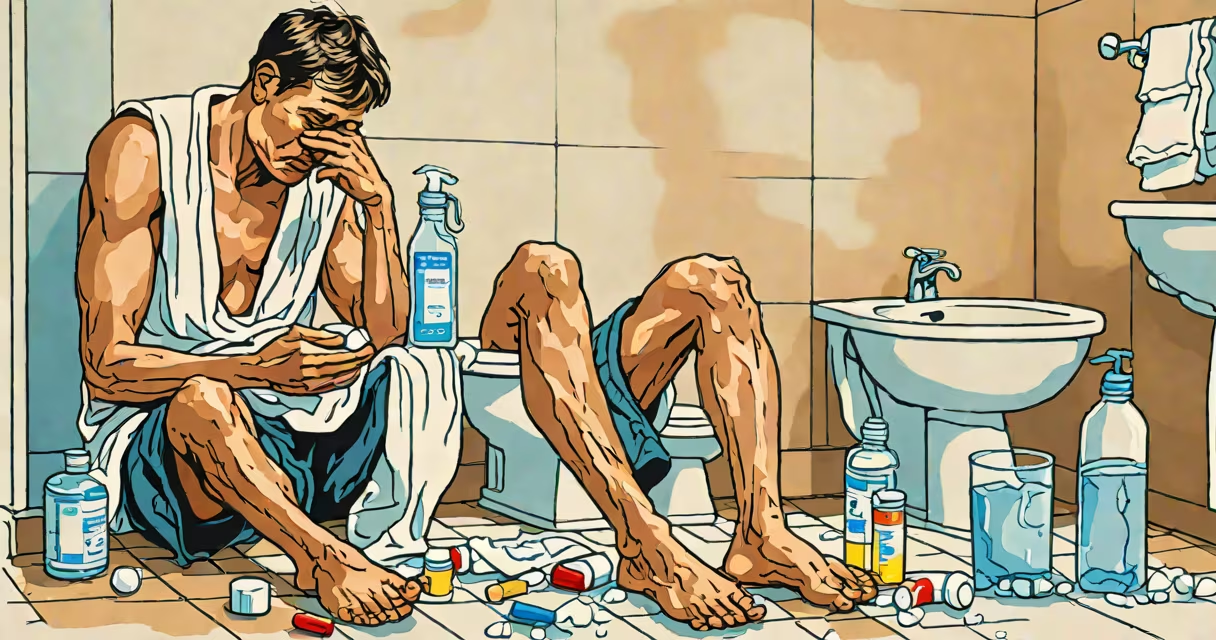
Diarrhea after a stomach bug refers to loose, frequent bowel movements that continue for days past the acute phase of viral gastroenteritis, typically caused by norovirus or rotavirus. This prolonged symptom results from ongoing intestinal inflammation and damage to the gut lining, even after the virus itself is gone.
The condition is not a new infection but a continuation of the body's healing process. The gastrointestinal tract remains sensitive, and normal digestion takes time to resume. Diarrhea may last up to seven days after other symptoms resolve, especially in children and older adults.
According to the Centers for Disease Control and Prevention (CDC), norovirus accounts for about 20 million cases of acute gastroenteritis annually in the U.S., with diarrhea being the most common symptom. Recovery typically begins within 48 hours, but intestinal recovery can take longer due to mucosal damage and altered microbiome balance.
After a stomach bug, the lining of the small intestine becomes inflamed and damaged. Enterocytes-the cells responsible for absorbing water and nutrients-lose function temporarily. When these cells are impaired, water isn't properly absorbed, leading to watery stools.
Inflammation triggers increased secretion of fluids into the intestines. This fluid imbalance worsens diarrhea. The immune system continues to send inflammatory signals even after the virus is cleared, prolonging irritation. This explains why diarrhea can persist despite feeling better.
A 2021 study published in Gut Microbes found that patients recovering from norovirus showed reduced levels of beneficial bacteria like Bifidobacterium and Lactobacillus for up to two weeks post-infection. This disruption in gut flora contributes to ongoing digestive issues, including diarrhea.
Not all diarrhea after a stomach bug is the same. It can be categorized by duration and underlying cause:
| Type | Duration | Common Causes | When to Seek Help |
|---|---|---|---|
| Acute post-infectious | 3-7 days | Residual inflammation, microbiome imbalance | After 7 days, or with blood/mucus |
| Prolonged (beyond 10 days) | 10+ days | Secondary infection, food intolerance, IBS onset | With fever, weight loss, or severe pain |
| Recurrent episodes | Intermittent | Post-infectious IBS, lactose intolerance | More than 3 episodes in 2 weeks |
Some people develop temporary lactose intolerance after a stomach bug. The enzyme lactase, produced in the small intestine, drops during infection. Even if dairy wasn't consumed during illness, reintroducing milk can trigger diarrhea due to undigested lactose fermenting in the colon.
One patient I treated had persistent diarrhea for nine days after a mild norovirus episode. Stool tests ruled out secondary infections. After eliminating dairy and adding a probiotic supplement containing Lactobacillus rhamnosus GG, symptoms resolved in four days. This illustrates how post-infectious changes can extend recovery beyond the initial illness.
Many assume diarrhea after a stomach bug means the infection is still active. That's incorrect. A positive stool test for pathogens doesn't always indicate current illness-some people carry viruses asymptomatically.
Another misconception is that dehydration is the only concern. While hydration matters, electrolyte imbalance and nutrient malabsorption are serious risks. Prolonged diarrhea leads to sodium, potassium, and magnesium depletion, increasing fatigue and muscle cramps.
Contrary to popular belief, eating bland foods like bananas and rice doesn't speed recovery. These foods are low in fiber and may slow gut motility, but they don't repair mucosal damage. The American Gastroenterological Association recommends resuming a balanced diet gradually, focusing on easily digestible proteins and complex carbohydrates.
Diarrhea after a stomach bug is not the same as traveler's diarrhea, which is usually bacterial (e.g., Salmonella, E. coli) and often includes fever and bloody stools. Norovirus-related diarrhea is typically non-bloody and lacks systemic signs like high fever.
It's also not the same as irritable bowel syndrome (IBS). While post-infectious IBS can develop after a stomach bug, it occurs in about 10% of cases and presents with alternating constipation and diarrhea, bloating, and abdominal pain-not just diarrhea.
A key distinction: if diarrhea lasts more than 10 days, or returns after improvement, consider testing for C. difficile or food sensitivities. The Mayo Clinic notes that C. difficile overgrowth is rare but possible after antibiotic use during recovery.
Rehydrate with oral rehydration solutions containing sodium, potassium, and glucose. Avoid sugary drinks-they can worsen osmotic diarrhea. The World Health Organization recommends a solution of 1 liter water, 6 teaspoons sugar, and half teaspoon salt.
Introduce soluble fiber slowly. Oats, cooked carrots, and peeled apples help firm stools. Probiotics with strains like L. rhamnosus GG and B. longum have shown benefit in reducing duration of post-infectious diarrhea by up to 48 hours in clinical trials.
Recovery timelines vary. Most people see improvement within five to seven days. If symptoms extend beyond ten days, seek medical advice. Fatigue and weakness often accompany prolonged diarrhea, signaling the need for nutritional support.
Understanding diarrhea after stomach bug as a phase of gut healing-not a new illness-helps manage expectations. The body repairs itself over days, not hours. Patience and proper nutrition are key to restoring balance.