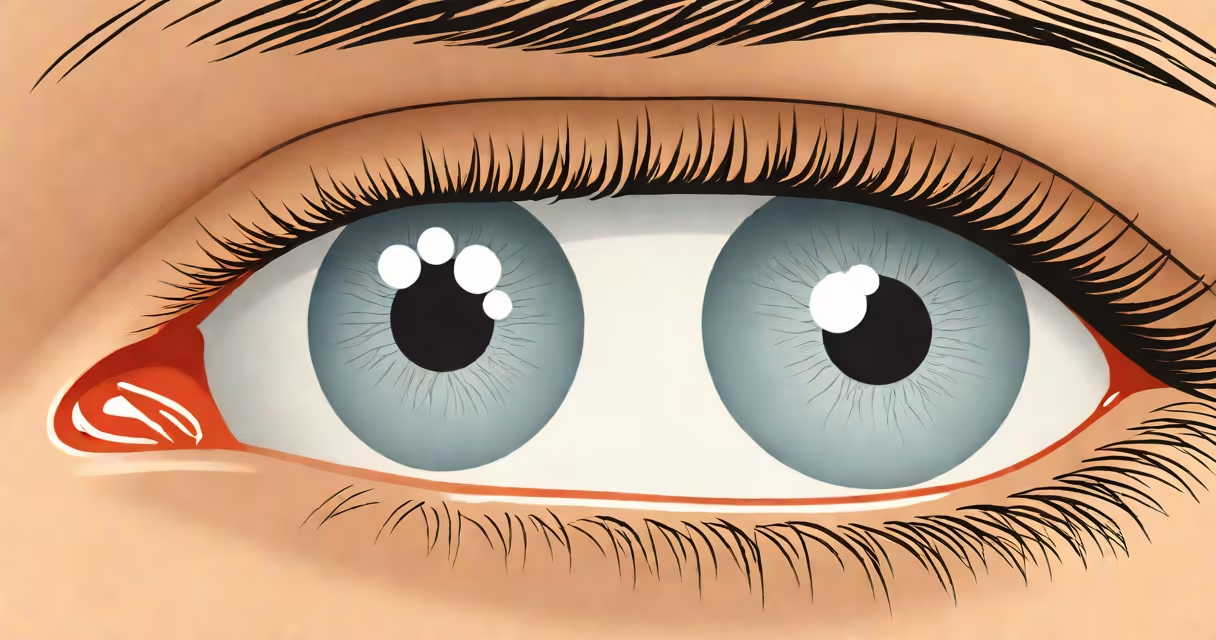
Cloudy eyes occur when the lens or cornea of the eye becomes opaque, reducing light transmission and blurring vision. The most common cause is cataracts, which develop gradually over time and affect over 24 million Americans aged 40 and older.
Cataracts form when proteins in the eye's lens clump together, clouding the lens and distorting light passing through. This process typically begins around age 60, though risk increases earlier with diabetes, smoking, prolonged UV exposure, or steroid use. According to the National Eye Institute, cataracts account for 75% of all cases of cloudy eyes in adults over 50.
Other causes include corneal edema (swelling), uveitis (inflammation inside the eye), or trauma-induced hemorrhage. Rarely, congenital cataracts appear at birth due to genetic factors or maternal infections during pregnancy. A 2021 study in *Ophthalmology* found that 1 in 1,000 newborns in the U.S. have congenital cataracts, often linked to mutations in the CRYAA gene.
The eye's lens normally remains transparent to focus light onto the retina. As protein fibers degrade over time, they aggregate and scatter light, creating a foggy or yellowish haze. This affects both near and distance vision, often making colors appear faded or washed out.
Early symptoms include mild blurriness, increased glare from lights, and difficulty reading in low light. These signs progress slowly. By the time vision drops below 20/50, surgical intervention is typically recommended. The American Academy of Ophthalmology notes that cataract surgery success rates exceed 98% when performed by experienced surgeons.
Diagnosis involves a slit-lamp examination and retinal imaging. An ophthalmologist uses a handheld device to project light into the eye and assess lens clarity. If cloudiness is detected, further testing determines whether the issue lies in the lens, cornea, or vitreous humor.
Cloudy eyes aren't a single condition-they're a symptom of several distinct disorders. The table below outlines major causes, their typical onset, and key risk factors.
| Type | Onset | Primary Cause | Risk Factors |
|---|---|---|---|
| Cataracts (nuclear, cortical, posterior subcapsular) | Age-related (typically 50+) | Protein aggregation in lens | Diabetes, smoking, long-term steroid use, UV exposure |
| Corneal edema | Sudden or gradual | Fluid buildup in cornea | Fuchs' dystrophy, eye surgery, contact lens overuse |
| Uveitis | Acute or chronic | Inflammation of middle eye layer | Autoimmune diseases, infections (e.g., toxoplasmosis), trauma |
| Hyphema | Immediate after injury | Blood in anterior chamber | Eye trauma, glaucoma, blood disorders |
One non-obvious distinction: cloudy eyes from cataracts do not cause pain or redness. If discomfort accompanies visual changes, the cause is likely inflammation or infection. Corneal issues may cause sharp pain, light sensitivity, and tearing-symptoms absent in early cataracts.
Many patients mistake cloudy eyes for dry eye syndrome or conjunctivitis. Dry eye causes gritty sensations and watery discharge, not cloudiness. Conjunctivitis leads to redness and discharge, not blurred vision from lens opacity.
A frequent error is assuming that cloudy eyes always require surgery. Early-stage cataracts may improve with stronger glasses or magnifying lenses. The FDA reports that 60% of people with mild cataracts delay surgery for at least five years without significant functional decline.
Another misconception: cloudy eyes are reversible. Once lens proteins clump, they don't dissolve. Surgery is the only way to restore clear vision. The procedure removes the cloudy lens and replaces it with an artificial intraocular lens (IOL).
Consider a 68-year-old woman who notices her vision has become increasingly blurry over six months. She struggles to read street signs and sees halos around headlights at night. Her optometrist detects a dense nuclear cataract during a routine exam. After referral to an ophthalmologist, she undergoes phacoemulsification-a minimally invasive surgery using ultrasound to break up and remove the lens. She receives a multifocal IOL and regains 20/20 vision within two weeks.
This case reflects standard outcomes. The American Society of Cataract and Refractive Surgery confirms that 95% of patients report improved daily function post-surgery, including driving, reading, and recognizing faces.
Cloudy eyes should prompt evaluation if vision loss interferes with daily tasks. The CDC recommends annual eye exams for adults over 40, especially those with diabetes or hypertension. Delaying treatment increases the risk of falls, depression, and reduced independence.
If you experience sudden cloudiness, double vision, or eye pain, seek immediate care. These may signal acute glaucoma or retinal detachment-conditions requiring emergency intervention.
Understanding the cause of cloudy eyes ensures timely diagnosis and effective treatment. Early detection prevents irreversible vision loss and improves quality of life.