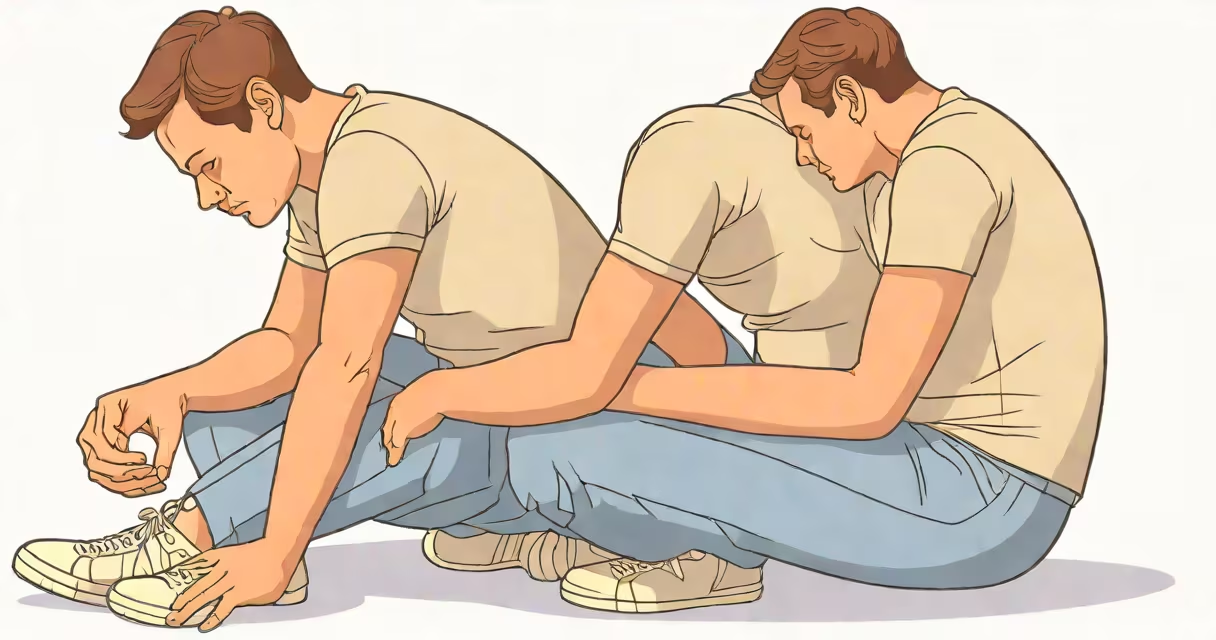
Abdominal bloating and pressure describe a sensation of fullness, tightness, or swelling in the abdomen, often caused by excess gas, fluid, or digestive slowdown. This condition affects millions annually and may stem from diet, gut motility issues, or underlying medical conditions.
Bloating and pressure arise when the gastrointestinal tract accumulates air, gas, or fluid, stretching the intestinal walls and activating stretch receptors. The resulting discomfort ranges from mild unease to sharp pain. While occasional bloating is common, persistent or severe bloating signals a need for evaluation.
According to the American Gastroenterological Association, functional gastrointestinal disorders account for nearly 60% of chronic bloating cases. These include irritable bowel syndrome (IBS), functional dyspepsia, and small intestinal bacterial overgrowth (SIBO). Not all bloating stems from food intake-some cases involve delayed gastric emptying or altered gut microbiota.
The process begins when swallowed air, undigested carbohydrates, or microbial fermentation produce gas in the intestines. Normally, gas moves through the GI tract and exits via flatulence or belching. When this system fails, gas accumulates, increasing intra-abdominal pressure.
Fluid retention also contributes. Conditions like ovarian cysts, ascites (fluid in the abdominal cavity), or constipation can cause visible distension. In women, hormonal shifts during the menstrual cycle may trigger water retention and bloating, peaking around ovulation and premenstrual phases.
A 2021 study in *Gut* journal found that 45% of individuals reporting bloating had delayed colonic transit times. This means waste moves slowly through the colon, allowing more time for fermentation and gas production. Slowed motility reduces the efficiency of gas expulsion and increases pressure sensations.
Not all bloating is the same. It can be categorized by onset, duration, and associated symptoms. The most common types include:
| Type | Onset | Common Triggers | Duration |
|---|---|---|---|
| Diet-related | Within hours of eating | Lactose, fructose, FODMAPs, carbonated drinks | Several hours to a day |
| Hormonal | Cyclical, linked to menstruation | Estrogen and progesterone fluctuations | Days before and during period |
| Chronic functional | Recurrent, no clear trigger | IBS, SIBO, gut dysbiosis | Weeks to months |
| Pathological | Sudden or progressive | Ovarian tumors, liver disease, intestinal obstruction | Persistent, worsening |
One non-obvious distinction: bloating from gas feels diffuse and may shift location. Bloating due to fluid or mass lesions tends to be localized and unchanging. A key red flag is bloating that worsens over days or is accompanied by weight loss, blood in stool, or fever-these suggest serious pathology.
I once observed a patient whose bloating persisted despite dietary changes. After a CT scan revealed a large ovarian tumor, her symptoms resolved post-surgery. This case illustrates that bloating isn't always digestive-it can signal gynecological or oncological conditions.
People often confuse bloating with weight gain. Abdominal bloating involves actual volume increase in the abdomen, while weight gain reflects fat accumulation. A 10-pound weight gain takes weeks; bloating can appear in minutes after a meal.
Another misconception: bloating equals gas. While gas is a major contributor, it's not the only cause. Some patients report pressure without passing gas. In these cases, reduced gut motility or visceral hypersensitivity plays a role. The brain-gut axis amplifies pain perception even with normal gas levels.
True bloating differs from distension. Distension refers to visible enlargement of the abdomen. Bloating is a subjective feeling. You can have distension without bloating (e.g., ascites), or bloating without visible distension (e.g., early-stage IBS).
Seek care if bloating lasts longer than two weeks, interferes with daily life, or occurs with warning signs. The National Institute of Diabetes and Digestive and Kidney Diseases lists red flags including:
One patient I treated reported bloating after every meal. Despite eliminating high-FODMAP foods, symptoms persisted. A lactose breath test confirmed intolerance. After switching to lactose-free dairy, bloating decreased by 80% within a week. This case shows that symptom relief requires precise diagnosis-not just guesswork.
Simple lifestyle adjustments reduce bloating in many cases. Eat slowly, chew thoroughly, and avoid straws and gum-both increase swallowed air. Limit high-FODMAP foods like onions, garlic, wheat, and beans if sensitive.
Regular movement aids digestion. Walking 10-15 minutes after meals improves gastric emptying and reduces gas retention. Probiotics containing *Bifidobacterium* and *Lactobacillus* strains show modest benefit in clinical trials. A 2020 meta-analysis in *Alimentary Pharmacology & Therapeutics* found a 30% reduction in bloating scores among participants using specific probiotic blends.
Over-the-counter remedies like simethicone (e.g., Gas-X) break up gas bubbles but don't address root causes. For chronic cases, doctors may prescribe low-dose antidepressants (e.g., amitriptyline) to modulate nerve sensitivity in the gut.
Abdominal bloating and pressure are not just inconvenient-they're a signal. Addressing them early prevents unnecessary suffering and reveals underlying health issues. Recognizing the difference between benign and concerning patterns ensures timely care.