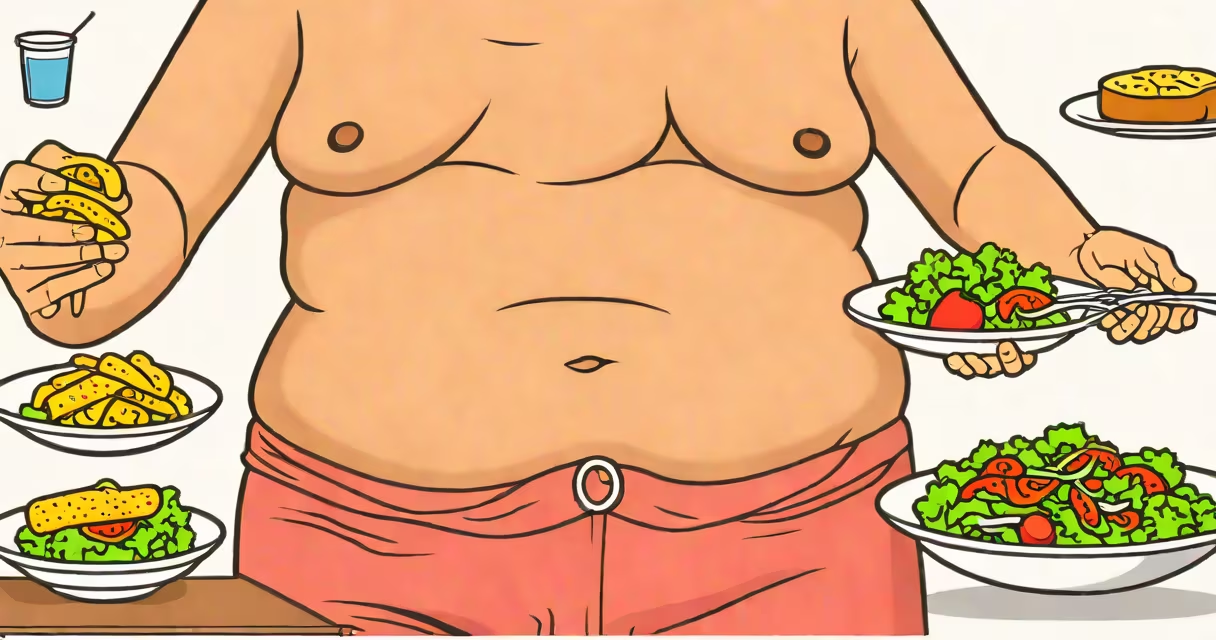
Your stomach swells after eating due to gas accumulation, fluid retention, delayed digestion, or food intolerances. This bloating is often temporary but can signal underlying issues like irritable bowel syndrome (IBS), small intestinal bacterial overgrowth (SIBO), or food sensitivities.
Bloating occurs when the gastrointestinal tract fills with air, gas, or fluid during or shortly after a meal. The sensation of tightness or visible swelling results from increased pressure in the abdominal cavity. While occasional bloating is normal, persistent swelling may indicate a mismatch between what you eat and how your gut processes it.
According to the American College of Gastroenterology, up to 15% of adults report frequent bloating, with women more likely to experience it than men. Bloating is not the same as weight gain-this is localized abdominal distension, not fat accumulation.
When you eat, your digestive system begins breaking down food using enzymes and stomach acid. As food moves through the intestines, bacteria ferment undigested carbohydrates, producing gases like hydrogen, methane, and carbon dioxide. These gases accumulate in the gut, stretching the intestinal walls and triggering the feeling of fullness or swelling.
Swallowing air while eating-especially when talking, rushing, or drinking carbonated beverages-adds extra volume. Air enters the stomach and travels into the intestines, contributing to bloating. A 2021 study in Alimentary Pharmacology & Therapeutics found that 30% of participants who reported bloating had higher rates of aerophagia (air swallowing) during meals.
Some people retain water in the abdomen due to hormonal shifts, particularly around menstruation. Estrogen and progesterone fluctuations can slow digestion and increase fluid retention, leading to a puffy, swollen feeling even after a light meal.
Not all bloating is caused by the same factors. Identifying patterns helps distinguish between dietary, physiological, and pathological sources.
| Trigger Type | Examples | Key Mechanism |
|---|---|---|
| Dietary | Lactose, fructose, gluten, beans, cruciferous vegetables | Undigested carbs ferment in the colon, producing gas |
| Swallowed Air | Fast eating, chewing gum, carbonated drinks | Excess air enters the GI tract, causing distension |
| Hormonal | Menstrual cycle, pregnancy | Fluid retention and slowed motility |
| Medical Conditions | IBS, SIBO, celiac disease, gastroparesis | Altered gut motility, malabsorption, bacterial overgrowth |
For example, lactose intolerance affects about 65% of the global population, according to the National Institutes of Health. When someone lacking lactase enzyme consumes dairy, undigested lactose ferments in the colon, generating gas and bloating within 30 minutes to two hours.
Small intestinal bacterial overgrowth (SIBO) is another underdiagnosed cause. Normally, few bacteria live in the small intestine. When they multiply, they ferment carbohydrates too early, producing gas before nutrients are absorbed. A 2020 study in Frontiers in Microbiology linked SIBO to 40% of patients reporting chronic bloating.
Bloating is not the same as being overweight. A bloated stomach can look larger than usual without actual fat gain. The swelling is internal, driven by gas, fluid, or pressure-not adipose tissue.
Many assume bloating is always caused by "bad" foods like fried or spicy items. While these can irritate the gut lining, they're rarely the root cause. Instead, bloating is most often tied to fermentable carbohydrates (FODMAPs), which feed gut microbes and produce gas.
A common mistake is blaming bloating on fiber. Fiber is essential for gut health, but high-fiber foods like beans, lentils, and whole grains contain FODMAPs that trigger fermentation. Cutting out fiber entirely worsens long-term gut function. Instead, identify specific triggers through elimination diets.
I once tracked my own bloating after eating a standard lunch: turkey sandwich with rye bread, spinach, and a side of yogurt. Within 45 minutes, my abdomen felt tight and visibly swollen. After eliminating dairy and wheat from my diet for two weeks, the swelling disappeared. This wasn't a lack of willpower-it was a physiological response to food I hadn't previously identified as problematic.
Bloating becomes concerning when it's constant, painful, or accompanied by other symptoms like weight loss, blood in stool, or changes in bowel habits. These signs may indicate inflammatory bowel disease (IBD), celiac disease, or even colorectal cancer.
The Rome IV criteria define functional bloating as persistent or recurrent bloating that lasts at least three days per month and interferes with daily life. If bloating disrupts sleep, work, or social activities, consult a gastroenterologist.
Simple lifestyle adjustments reduce bloating in many cases. Eat slowly, chew thoroughly, avoid straws and carbonation, and monitor portion sizes. Keeping a food diary for two weeks helps identify patterns. For example, if bloating consistently follows meals with beans or onions, those are likely culprits.
Reducing high-FODMAP foods-such as garlic, onions, apples, and wheat-can cut bloating by up to 70%, according to a 2019 randomized controlled trial published in Gut. Reintroducing them one at a time helps pinpoint individual tolerances.
For persistent bloating, probiotics like *Bifidobacterium infantis* have shown benefit in reducing gas and improving transit time. A 2022 meta-analysis in Nutrients found that specific strains reduced bloating severity by 50% in IBS patients.
Understanding why your stomach swells after eating leads to targeted solutions. It's not just about avoiding certain foods-it's about recognizing how your body processes them. Once you identify the cause, whether it's lactose, air swallowing, or SIBO, you can take steps to restore balance.
After eating, bloating is a signal, not a flaw. It reflects your digestive system's effort to process food. By listening to these signals and adjusting accordingly, you can reduce discomfort and improve long-term gut health.