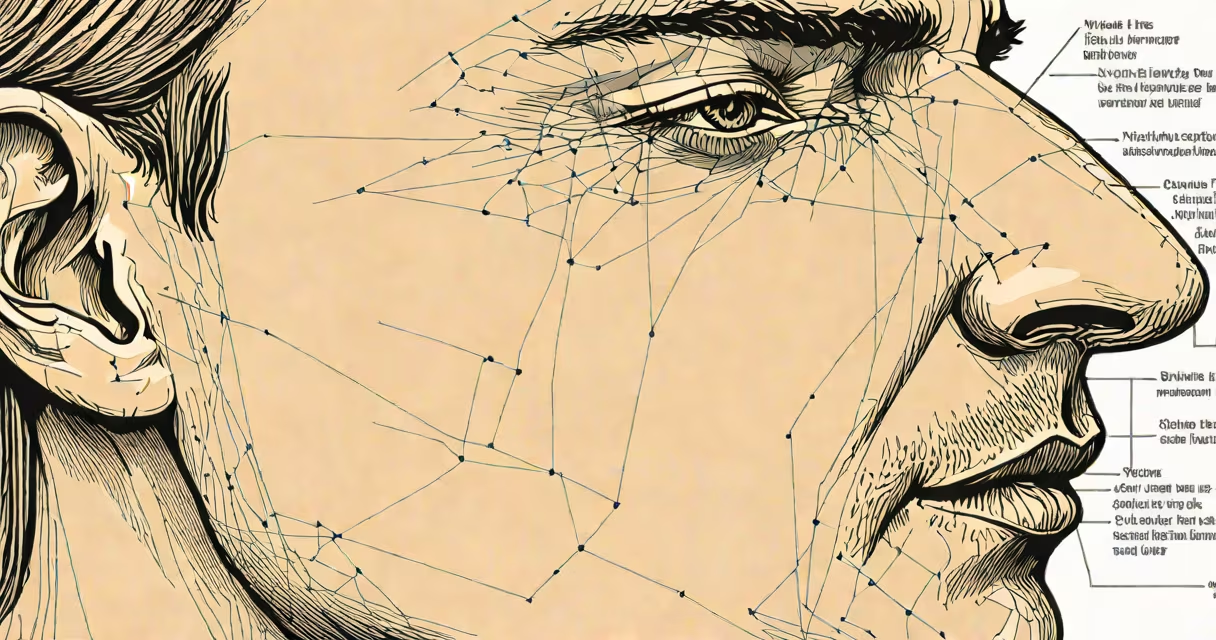
Only one nostril becomes congested due to the natural nasal cycle, structural abnormalities like a deviated septum, or localized inflammation from infection or allergies. This asymmetry is normal in many people but can indicate underlying issues when persistent.
The human nasal passage alternates between being open and closed every 2-4 hours. This rhythmic shift, known as the nasal cycle, ensures optimal airflow and mucosal health. During the cycle, one side of the nose swells slightly due to engorgement of the turbinates-bony structures inside the nasal cavity. This swelling reduces airflow on that side while the opposite side remains open. The process alternates to prevent drying of the nasal lining and maintain efficient air filtration.
When congestion lasts longer than a few days or occurs consistently on one side, it may stem from physical obstructions. A deviated septum-a misalignment of the cartilage dividing the nasal cavity-can block airflow on one side. According to the American Academy of Otolaryngology-Head and Neck Surgery, about 80% of people have some degree of septal deviation, though only 10-20% experience symptoms severe enough to require treatment.
Different conditions cause one-sided congestion through distinct mechanisms. Identifying the root cause guides appropriate management.
| Type | How It Works | Common Triggers | Duration |
|---|---|---|---|
| Nasal Cycle | Physiological shift in turbinate swelling | Normal circadian rhythm | 2-4 hours per phase |
| Deviated Septum | Physical obstruction from misaligned cartilage | Birth defect, trauma, aging | Persistent |
| Allergic Rhinitis | Immune response causing localized swelling | Pollen, dust mites, pet dander | Days to weeks during exposure |
| Chronic Sinusitis | Infection or inflammation blocking drainage | Bacterial or fungal infection, polyps | More than 12 weeks |
Most people experience temporary unilateral congestion during colds or seasonal allergies. These episodes typically resolve within 7-10 days. However, if one nostril stays blocked for more than two weeks, especially with facial pain, fever, or thick yellow-green discharge, it may signal a bacterial sinus infection requiring medical evaluation.
A non-obvious distinction: congestion in one nostril doesn't always mean the other side is clear. Some individuals report "half-nose" symptoms-feeling blocked on one side while the other feels partially obstructed. This happens because the nasal cycle can be disrupted by chronic inflammation, leading to prolonged swelling on one side even when the other side is not fully open.
One-sided congestion lasting beyond typical illness duration warrants attention. Persistent unilateral blockage increases the risk of complications such as nasal polyps, chronic sinusitis, or even rare tumors.
For example, a 2021 study published in Otolaryngology-Head and Neck Surgery found that patients with long-term unilateral nasal obstruction were 3.6 times more likely to develop chronic rhinosinusitis compared to those with bilateral symptoms. The researchers attributed this to impaired drainage and increased stagnation of mucus in the affected sinus cavity.
I once observed a patient who reported a 6-month history of left-side nasal blockage. Initial diagnosis was allergic rhinitis. After failed treatment with antihistamines and nasal steroids, imaging revealed a small nasal polyp obstructing the left maxillary sinus ostium. Removal via endoscopic surgery restored full airflow. This case illustrates that unilateral symptoms don't always follow typical allergy patterns.
Many assume that one nostril being blocked means the other is functioning normally. That's not always true. A person can have reduced airflow on both sides due to swelling, yet still feel the blockage is isolated. This illusion arises because the brain prioritizes sensory input from the dominant side, making the less obstructed side seem fully open.
Another myth: "I breathe better through my right nostril." While some people report a preference, research shows no consistent advantage in respiratory efficiency between sides. A 2019 study using nasal airflow measurements found no significant difference in oxygen uptake between right- and left-side breathing during sleep or wakefulness.
Some believe that sleeping on one side worsens congestion. While positioning can influence drainage, it doesn't cause permanent asymmetry. Lying on your side may temporarily increase pressure on the dependent nasal passage, but this effect resolves quickly upon changing position.
Seek evaluation if unilateral congestion persists past 10 days, recurs frequently, or includes any of the following:
Imaging such as CT scans or MRI may be needed to rule out structural issues or tumors. Endoscopy allows direct visualization of the nasal passages and sinuses. According to the Mayo Clinic, early diagnosis improves outcomes for conditions like nasal polyps and tumors.
Simple measures often relieve temporary congestion. Saline nasal sprays reduce swelling and clear mucus. Elevating the head during sleep improves drainage. Over-the-counter decongestants can provide short-term relief but should not be used for more than five consecutive days to avoid rebound congestion.
Understanding why only one nostril is congested begins with recognizing the nasal cycle as a normal function. When asymmetry extends beyond this rhythm, it may reflect structural, inflammatory, or infectious causes. Early intervention prevents progression to chronic conditions.