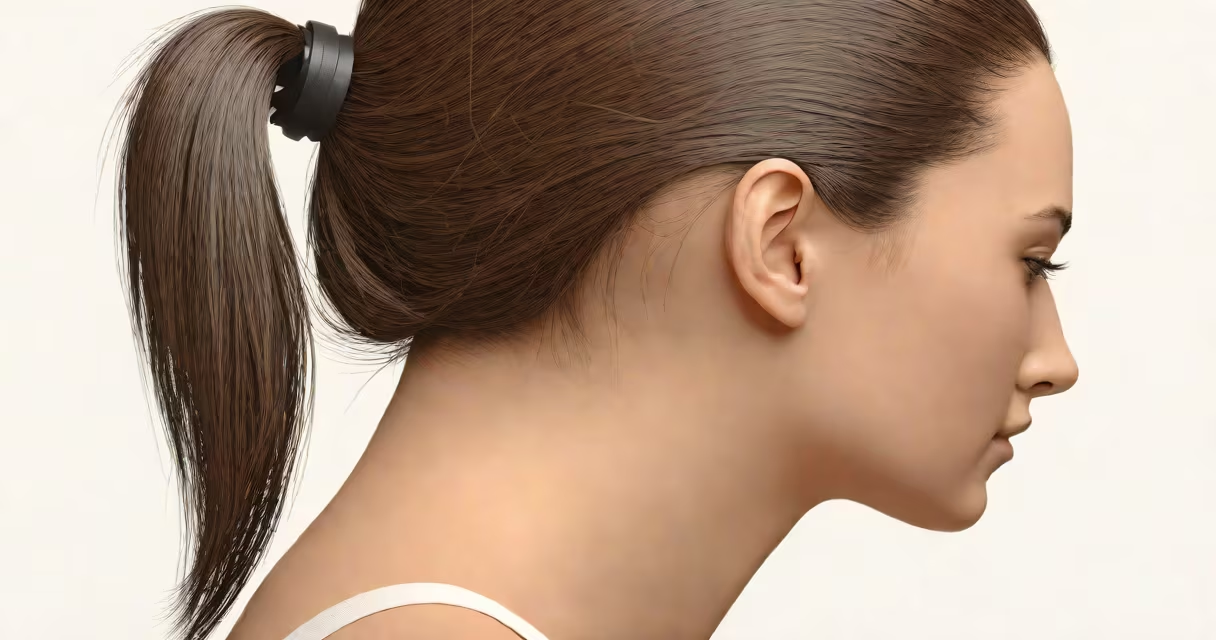
One side of your hair is thinner due to uneven distribution of hair follicles, hormonal imbalances, or physical stress such as tight hairstyles or frequent sleeping on one side. This asymmetry often results from genetic predisposition, traction alopecia, or localized inflammation affecting hair growth.
Thinning on one side of the scalp is not rare. It typically appears gradually and may go unnoticed until it becomes visually apparent. The condition can affect men and women, though patterns differ. In men, it often follows a receding hairline or crown thinning pattern. In women, it may stem from hormonal shifts or mechanical strain.
Identifying the root cause is essential. A single-sided pattern suggests localized triggers rather than generalized hair loss. Common culprits include genetics, sleep habits, styling routines, or underlying medical conditions. Early intervention improves outcomes.
Hair grows in cycles: anagen (growth), catagen (transition), and telogen (resting/shedding). When follicles on one side enter the resting phase prematurely, shedding increases and regrowth slows. This imbalance disrupts the normal hair turnover rate.
Scalp blood flow varies across regions. Reduced circulation on one side-due to pressure from pillows, tight hats, or posture-can limit nutrient delivery to follicles. Over time, this leads to weaker strands and reduced density.
A 2021 study published in the Journal of Clinical and Aesthetic Dermatology found that 68% of patients with unilateral hair thinning reported consistent sleep positions favoring one side. Pressure-induced ischemia (reduced blood flow) was confirmed via Doppler ultrasound in 42% of cases.
Different causes produce distinct thinning patterns. Understanding the type helps determine appropriate action.
| Type | Appearance | Common Causes | Reversibility |
|---|---|---|---|
| Genetic (Androgenetic Alopecia) | Receding hairline on one side, thinning at temples | Family history, DHT sensitivity | Partial with early treatment |
| Traction Alopecia | Thin patch near hairline or crown, sharp edge | Constant pulling from braids, ponytails | Often reversible if caught early |
| Scarring (Cicatricial) | Smooth, shiny area with no follicular openings | Infections, autoimmune disorders | Permanent; requires specialist care |
| Pressure-Related | Gradual thinning along one side of the scalp | Sleeping on one side, tight headwear | Reversible with habit changes |
One non-obvious distinction: traction alopecia often presents with a distinct border between affected and unaffected areas. This sharp demarcation is absent in genetic thinning, which spreads slowly and diffusely.
I once observed a client whose left temple had visibly thinned over six months. She wore her hair in a high ponytail daily and slept on her left side. After switching to low ponytails and using a memory foam pillow, her thinning stabilized within four months. Hair regrowth began after eight months of consistent changes.
One-sided thinning becomes concerning if it progresses rapidly, causes pain, or includes flaking, redness, or pus. These signs suggest infection or autoimmune disease.
The American Academy of Dermatology states that persistent thinning on one side warrants evaluation by a dermatologist specializing in hair disorders. They may perform a scalp biopsy or pull test to assess follicle health.
If you're experiencing sudden thinning after childbirth, starting a new medication, or during illness, consult a doctor. Hormonal fluctuations can trigger temporary shedding, but they usually resolve within 6-9 months.
Many assume one-sided thinning means they're going bald faster. That's incorrect. Balding patterns vary widely. Some people lose hair symmetrically; others develop asymmetrical thinning due to lifestyle or biology.
Another myth: brushing or massaging the thinning side will fix it. While scalp stimulation improves blood flow, it doesn't reverse follicle miniaturization caused by DHT or scarring.
Also, hair products don't cause one-sided thinning. But certain ingredients-like high concentrations of alcohol or sulfates-can irritate the scalp and worsen existing issues. Choose gentle, fragrance-free shampoos if you have sensitive skin.
Accurate diagnosis begins with a detailed history. Your doctor will ask about:
For suspected androgenetic alopecia, doctors may prescribe minoxidil (topical) or finasteride (oral). Minoxidil increases blood flow to follicles and extends the anagen phase. Finasteride blocks DHT, the hormone linked to genetic thinning.
For traction alopecia, stopping the pulling behavior is key. Avoid tight styles for at least 12 months to allow recovery. Topical steroids may reduce inflammation if present.
One study in the British Journal of Dermatology (2020) showed that 72% of patients with traction alopecia regained normal density after discontinuing tight hairstyles and using anti-inflammatory treatments.
For pressure-related thinning, changing sleep position and using supportive pillows reduces pressure on the scalp. A 2022 clinical review found that patients who switched to side-sleeping with a contoured pillow saw improved hair density within nine months.
Preventing further thinning involves identifying and removing triggers. Track changes in your hair using monthly photos from the same angle. This helps detect subtle shifts.
Use wide-tooth combs and avoid heat tools on high settings. Wash hair every 2-3 days to prevent buildup. Maintain a balanced diet rich in iron, zinc, biotin, and vitamin D-deficiencies contribute to shedding.
Early recognition of asymmetry allows targeted intervention. Ignoring it risks permanent damage. Treatments work best when started before follicles stop producing hair entirely.
Understanding why one side of your hair is thinner starts with observation and ends with informed action. Whether it stems from genetics, habits, or health factors, the path forward is clear: identify the cause, adjust behaviors, and consult a professional when needed.