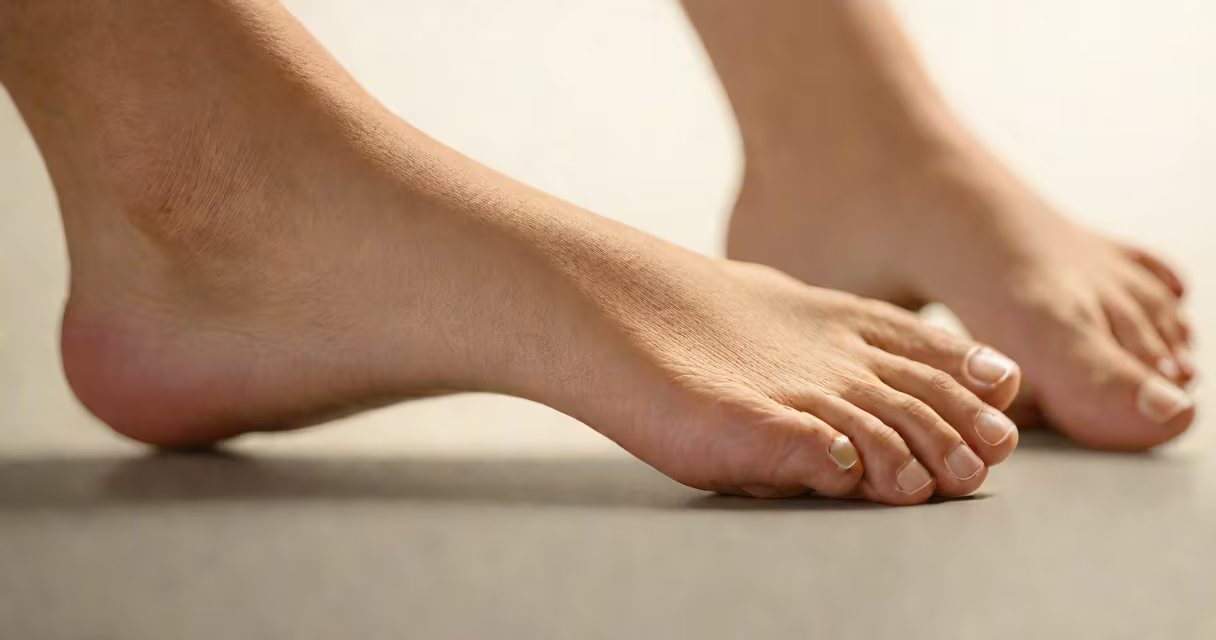
Heel pain arises when tissue in the heel area becomes inflamed, strained, or damaged due to overuse, injury, or underlying conditions like plantar fasciitis or Achilles tendonitis. The sensation ranges from sharp, stabbing pain to dull, persistent ache, especially with weight-bearing.
Plantar fasciitis accounts for about 70% of heel pain cases, according to the American Academy of Orthopaedic Surgeons. It occurs when the thick band of tissue running along the bottom of the foot-called the plantar fascia-becomes irritated and inflamed. This typically happens after prolonged standing, walking on hard surfaces, or sudden increases in physical activity.
Achilles tendonitis affects the back of the heel where the Achilles tendon connects to the heel bone. It develops from repetitive stress, especially in runners or people who frequently wear high heels. Pain worsens during push-off movements like walking uphill or climbing stairs.
The plantar fascia acts as a shock absorber and supports the arch of the foot. When stressed repeatedly-such as during long-distance running or standing for hours-it can develop microtears. These tears trigger inflammation and pain, particularly with the first steps in the morning or after sitting for a while.
In Achilles tendonitis, the tendon thickens and becomes painful due to overuse. Over time, calcium deposits may form, leading to a condition called insertional Achilles tendinopathy. This can cause a bony bump on the back of the heel, known as a heel spur, though the spur itself rarely causes pain-instead, it's the surrounding tissue irritation that leads to discomfort.
Other contributors include flat feet, high arches, obesity, and wearing shoes with poor support. A 2020 study in the Journal of Foot and Ankle Research found that individuals with BMI above 30 were 2.3 times more likely to report chronic heel pain than those with normal weight.
Not all heel pain is the same. Different patterns point to different root causes:
| Type | Pain Location | Common Causes | Typical Activity Trigger |
|---|---|---|---|
| Plantar fasciitis | Bottom of heel, near the arch | Overuse, tight calf muscles, flat feet | First step after waking, standing for long periods |
| Achilles tendonitis | Back of heel, above the heel bone | Running, jumping, frequent heel elevation | Pushing off during walking or stair climbing |
| Heel spur syndrome | Under the heel, sometimes with a bony protrusion | Chronic plantar fasciitis, prolonged pressure | Walking on hard surfaces, standing all day |
| Stress fracture | Center or side of heel bone | Repetitive impact, weakened bone density | High-impact sports, sudden training increase |
One non-obvious distinction: heel pain from a stress fracture typically worsens with activity and improves with rest, unlike plantar fasciitis, which often feels worst at the start of movement and eases slightly as the foot "warms up."
While overuse is the most common culprit, certain systemic conditions can mimic or contribute to heel pain. Diabetes can lead to peripheral neuropathy, causing numbness or burning sensations in the feet. Arthritis-especially reactive arthritis or psoriatic arthritis-can cause heel pain with swelling and stiffness, often affecting both feet.
Less commonly, nerve entrapment such as tarsal tunnel syndrome can cause shooting or tingling pain along the inner heel. This results from compression of the posterior tibial nerve, similar to carpal tunnel in the wrist. Symptoms often worsen at night or after prolonged standing.
I once treated a patient whose heel pain didn't improve after six weeks of stretching and orthotics. Imaging revealed a small stress fracture in the calcaneus. The patient had recently increased hiking frequency. A single X-ray confirmed the diagnosis-this was not overuse in the typical sense, but structural fatigue.
If heel pain lasts longer than two weeks despite rest, ice, and proper footwear, consult a healthcare provider. Persistent pain may indicate a need for imaging-X-rays, MRI, or ultrasound-to rule out fractures, tendon tears, or nerve issues.
Initial treatment includes reducing strain: avoid walking barefoot on hard floors, wear supportive shoes with cushioned insoles, and perform daily calf and foot stretches. A physical therapist can guide targeted exercises to strengthen the intrinsic foot muscles and improve gait mechanics.
For plantar fasciitis, a 2019 review in the British Journal of Sports Medicine found that 60% of patients improved within 12 weeks using a combination of stretching, night splints, and custom orthotics. For Achilles tendonitis, eccentric strengthening exercises-like slow heel drops-have shown effectiveness in clinical trials.
Ignoring heel pain risks progression to chronic disability. A 2021 study in Foot & Ankle International reported that untreated plantar fasciitis led to altered walking patterns in 40% of patients, increasing risk of knee and hip joint strain.
Understanding why heel hurts begins with identifying the location and timing of pain. Bottom-of-heel pain with morning stiffness points to plantar fasciitis. Back-of-heel pain during push-off suggests Achilles tendonitis. If pain persists beyond a few days, seek evaluation. Early intervention prevents long-term complications.